
How to Care for Fraser Fir
Growing guide to Fraser Fir: full sun, cool moist well-drained soil, and the conditions this classic mountain conifer needs to thrive.
Read the full Fraser Fir encyclopedia entry →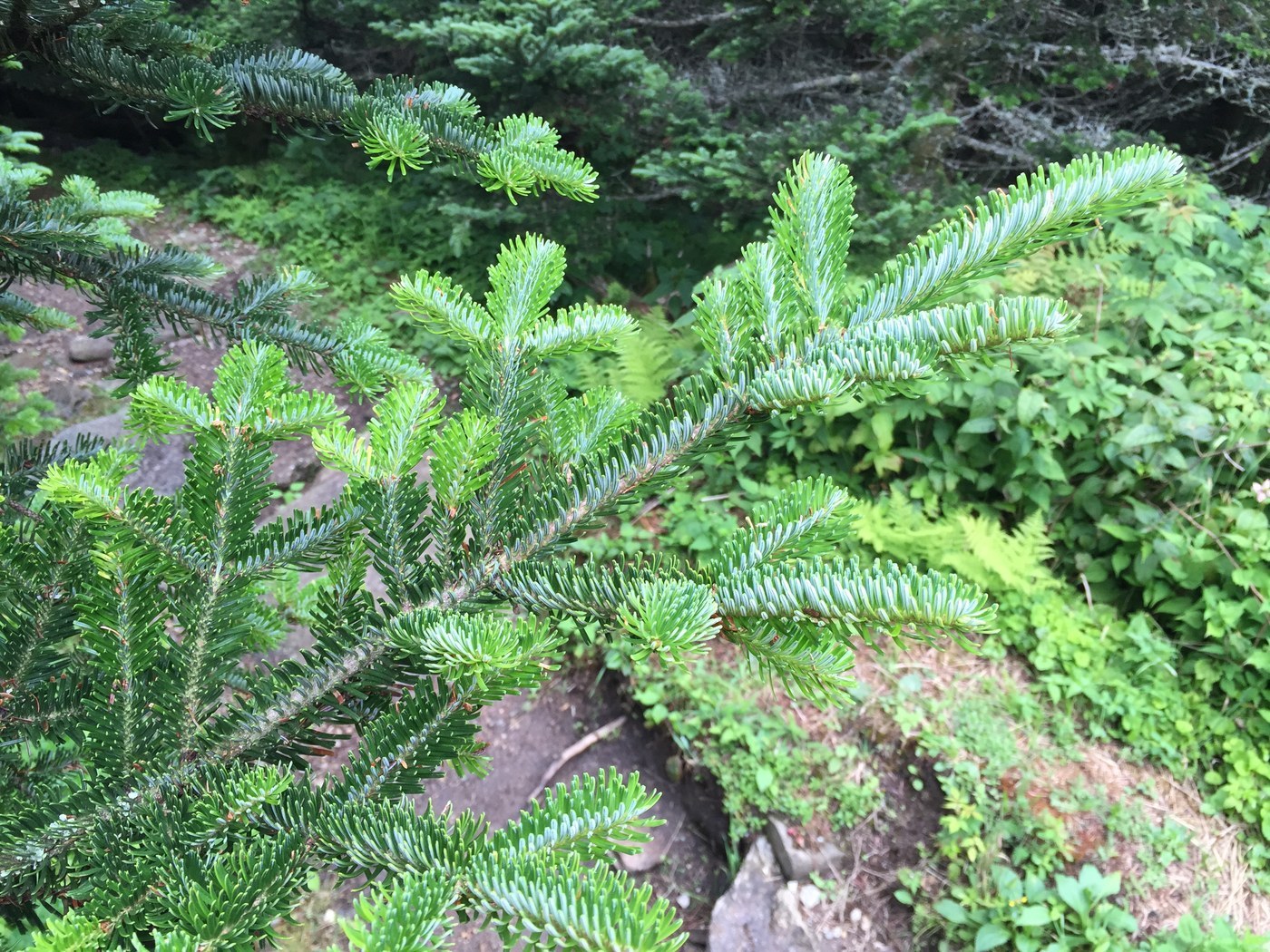
Fraser Fir (Abies fraseri) is a stately evergreen conifer native to the high mountains of the southeastern United States, prized for its symmetrical pyramidal form, soft dark-green needles with silvery undersides, and pleasant fragrance. It is a cool-climate specialist that rewards the right site with a beautifully uniform shape.
Light
Fraser Fir grows best in full sun to part shade. Full sun in cool climates produces the densest, most symmetrical growth, while some afternoon shade is welcome in warmer areas. Deep shade thins the canopy and spoils the classic conical form, so give young trees an open, bright position.
Water
Keep the soil moist but well-drained. Fraser Fir has shallow roots and dislikes both drought and standing water. Water regularly and deeply, especially during the first few years and in dry or hot spells, to keep the root zone cool and evenly damp. A generous mulch layer over the roots conserves moisture, insulates against heat, and suppresses competing weeds; keep it back from the trunk. Established trees in suitable climates need less supplemental water but still suffer in prolonged drought.
Soil & Potting
This fir demands cool, moist, well-drained, acidic soil, mirroring its native high-elevation forest floor. Heavy, poorly drained, or alkaline soils cause decline and root problems. Work compost or organic matter into the planting area to improve structure and moisture retention, and confirm good drainage before planting. Young trees can be container-grown in an acidic, free-draining conifer mix, but they ultimately want the ground.
Humidity & Temperature
Fraser Fir is a cold-hardy mountain tree adapted to cool summers and cold winters, thriving roughly in USDA zones 4-7. It struggles in hot, humid lowland climates, where heat stress and root rot become serious risks. It appreciates the cool, moist air of higher elevations and does not tolerate prolonged heat well. Choose a site with good air movement to reduce fungal pressure.
Feeding
Feed sparingly. An application of a balanced or acid-forming, slow-release conifer fertilizer in early spring supports steady growth, but avoid heavy feeding, which forces weak, soft growth. A yearly topdressing of compost and acidic mulch, such as pine needles or bark, both feeds lightly and maintains the low soil pH this species prefers.
Propagation
Fraser Fir is propagated primarily from seed, which typically needs a period of cold, moist stratification to break dormancy before sowing. Seedlings grow slowly in their early years. Cutting propagation is difficult and unreliable, so seed remains the standard method for raising new trees.
Repotting / Pruning
Fraser Fir naturally forms a tidy pyramid and needs little pruning; simply remove dead, damaged, or crossing branches, and lightly shape if a stray leader or double top appears. Prune in late winter to early spring before new growth flushes. Container-grown young trees should be potted up into larger acidic-mix containers as they outgrow their pots, and transplanted to the ground while still young, since large firs resent root disturbance.
Common Problems & Pests
Root rot in warm, wet, or poorly drained soil is the single greatest threat and the most common cause of decline. Pests include the balsam woolly adelgid, which produces white waxy tufts and can seriously damage or kill trees, along with spider mites and aphids in stressed plants. Needle-cast fungal diseases can occur in humid, crowded conditions. The best defenses are a cool, well-drained site, good airflow, and prompt removal of infested or diseased material.
Seasonal Care Tips
In spring, apply light acidic feed, refresh mulch, and do any minor pruning before new growth emerges. Through summer, keep the shallow roots cool and evenly moist, watering deeply in heat and drought. In fall, ease off feeding and let the tree harden for winter while ensuring it goes into the cold season well-watered. In winter the tree is fully hardy in its range and needs little care, though young trees benefit from mulch and, in exposed sites, shelter from drying winds.
Frequently asked questions
What climate does Fraser Fir need?
It is a cool-climate mountain conifer, best in USDA zones 4-7 with cool summers and cold winters. It struggles in hot, humid lowland areas where heat stress and root rot set in.
What soil is best for Fraser Fir?
Cool, moist, well-drained, acidic soil rich in organic matter, mirroring its high-elevation origins. Heavy, waterlogged, or alkaline soils cause root problems and decline.
Does Fraser Fir need much pruning?
Very little. It naturally forms a symmetrical pyramid, so just remove dead, damaged, or crossing branches and correct any double leader in late winter to early spring.
Why is my Fraser Fir declining?
The most common causes are root rot from poorly drained or too-warm soil, and infestation by balsam woolly adelgid. Ensure excellent drainage and a cool site, and remove any infested material promptly.