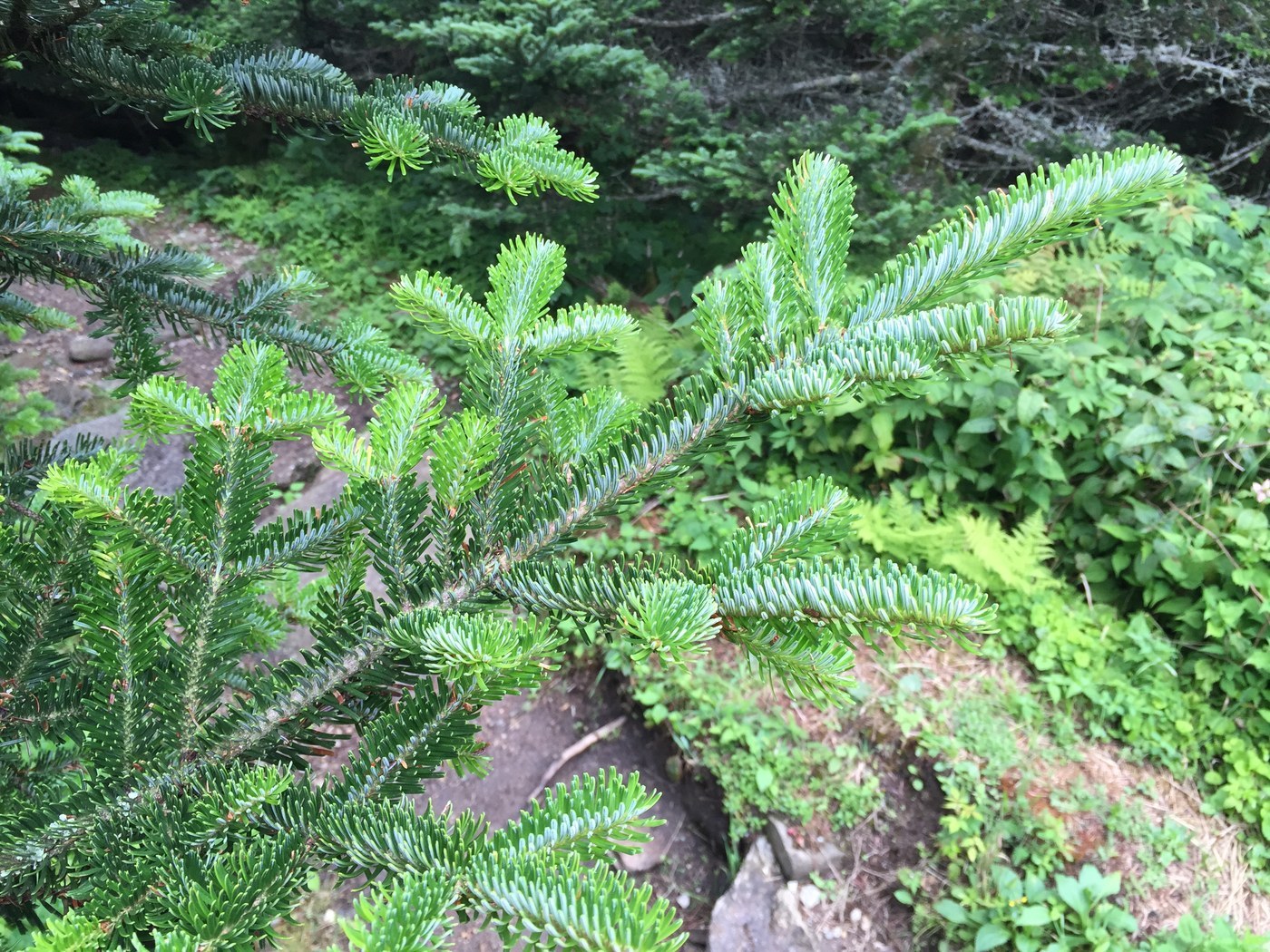
Fraser Fir
Abies fraseri
A high-elevation Appalachian evergreen and a favorite premium Christmas tree, with fragrant, silvery-backed needles and excellent needle retention.
- Light
- Full sun to part shade
- Water
- Moist, well-drained soil
- Difficulty
- Moderate
Got a plant like this?
Identify any plant from a photo, free.
Overview
Fraser fir is a rare conifer restricted in the wild to the highest peaks of the southern Appalachian Mountains. Closely related to balsam fir, it is a premier Christmas tree in the United States, repeatedly chosen for the White House Blue Room tree.
Its short, soft needles with bright silvery undersides, pleasant fragrance, sturdy upturned branches, and outstanding needle retention make it ideal for the holidays, and it is grown commercially on vast plantations.
How to identify it
Silvery needle backs and compact form stand out:
- Needles flat, soft, 1/2-1 in, dark green above with two conspicuous silvery-white bands beneath, often curving upward
- Aroma fragrant when crushed
- Cones upright, 2-2.5 in, dark purple with conspicuous bracts that stick out and curve downward; they disintegrate on the tree
- Bark smooth gray with resin blisters when young, scaly with age
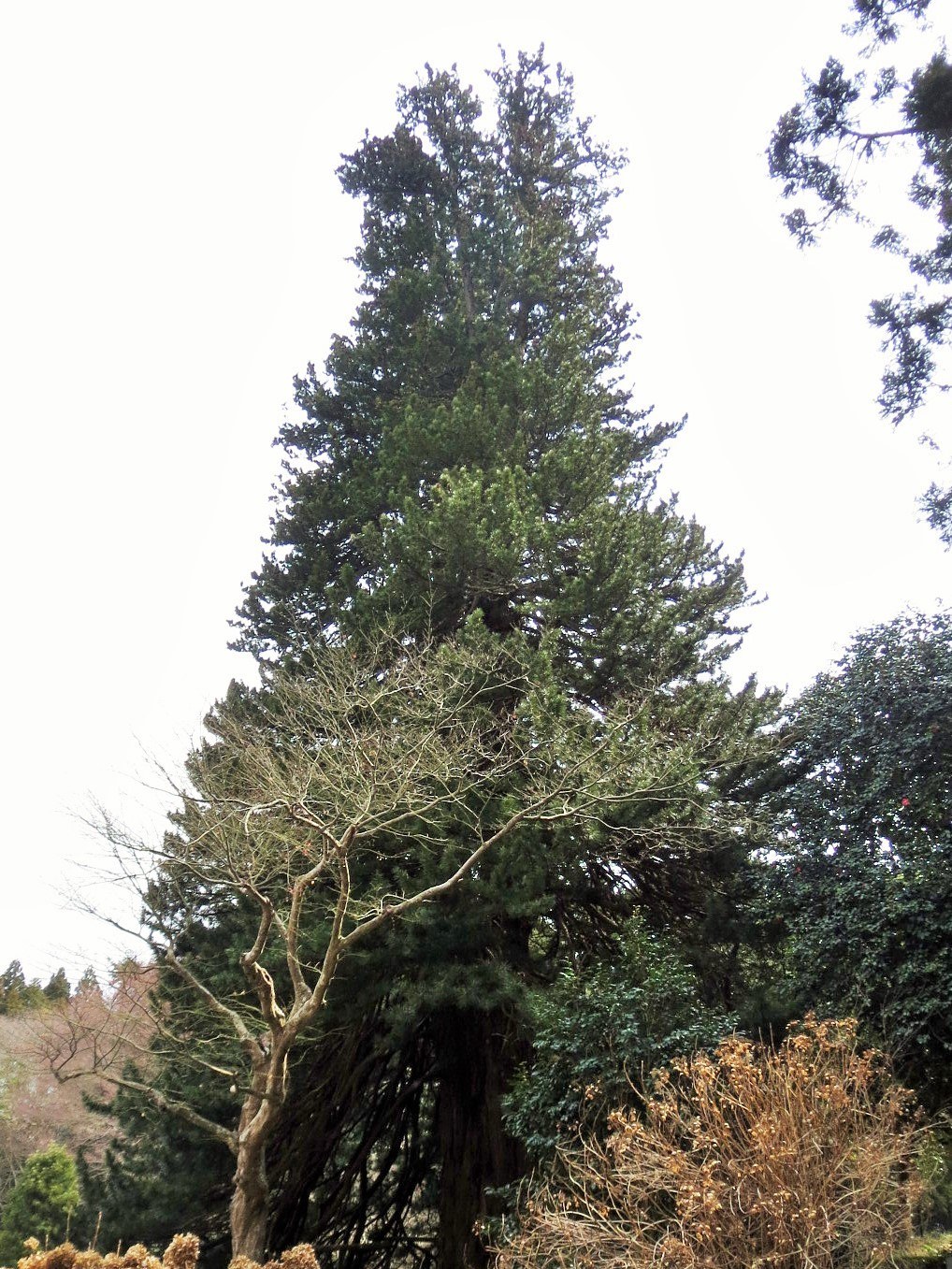
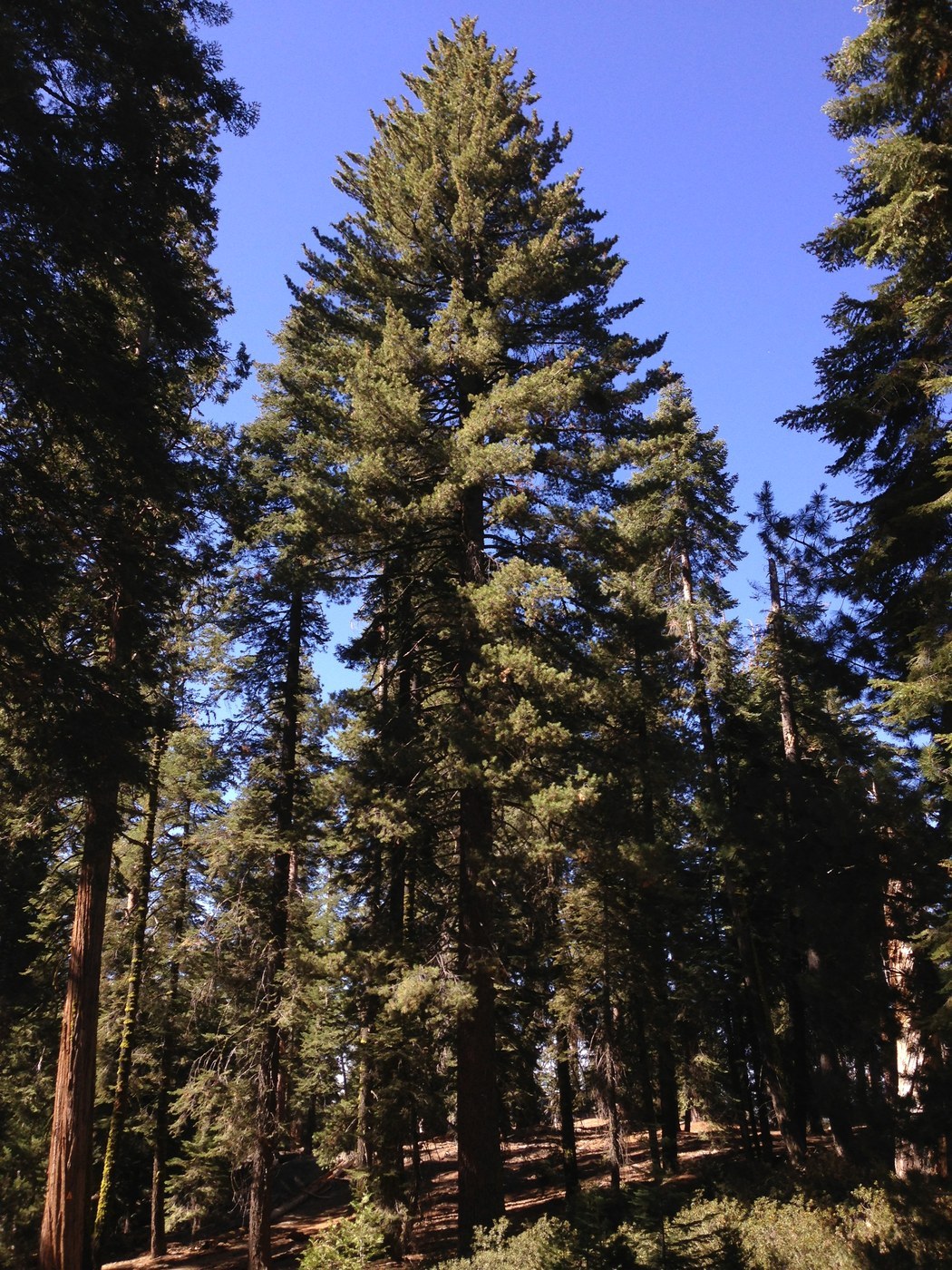
- Form dense, compact, narrow pyramid; in the wild 30-50 ft tall, often shorter when wind-stunted on peaks
Care & growing
Needs cool conditions and sharp drainage.
- Light: Full sun to partial shade
- Water: Keep soil moist but well-drained; dislikes wet feet and drought
- Soil: Prefers cool, acidic, organic, well-drained mountain soils
- Temperature: Hardy in USDA zones 4-7; struggles with summer heat and humidity at low elevations
- Feeding: Light feeding on plantations; little needed otherwise
- Propagation: From seed with cold stratification; slow-growing
Habitat & origin
Native and endemic to the southern Appalachian Mountains of North Carolina, Tennessee, and Virginia, growing only above roughly 4,500 ft in cool, moist, fog-bathed spruce-fir forests.
Wild populations have been heavily damaged by the introduced balsam woolly adelgid, making it a species of conservation concern. It is, however, grown commercially across cooler upland regions.
Frequently asked questions
Why is Fraser fir a favorite Christmas tree?
It holds its needles for weeks, has a pleasant scent, soft flat needles with silvery undersides, and strong branches that support ornaments.
How is it different from balsam fir?
Fraser fir's cone bracts stick out and curve down, its needle undersides are more strongly silver, and it is native to high southern peaks rather than the boreal north.
Is it endangered in the wild?
Wild stands are threatened, mainly by the balsam woolly adelgid, though the species is widely propagated on Christmas-tree farms.
Can I grow it in a hot climate?
Not well — it needs cool summers and good drainage and tends to fail in hot, humid lowlands.
Fraser Fir guides
In-depth guides for identifying, growing, and caring for Fraser Fir.
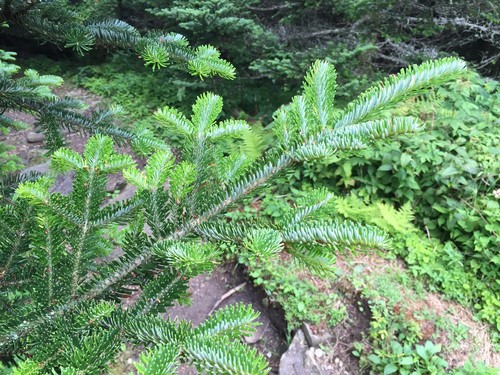
How to Care for Fraser Fir
Growing guide to Fraser Fir: full sun, cool moist well-drained soil, and the conditions this classic mountain conifer needs to thrive.
Fraser Fir Identification Guide
Identify Fraser fir by its flat silvery-backed needles, resin-blistered bark, and upright cones with protruding bent-back bracts. Covers needles, cones, look-alikes, and high-mountain habitat.