
How to Care for Friendship Plant
Grow the textured Pilea involucrata with bright indirect light, warmth, high humidity, and lightly moist soil for lush quilted foliage.
Read the full Friendship Plant encyclopedia entry →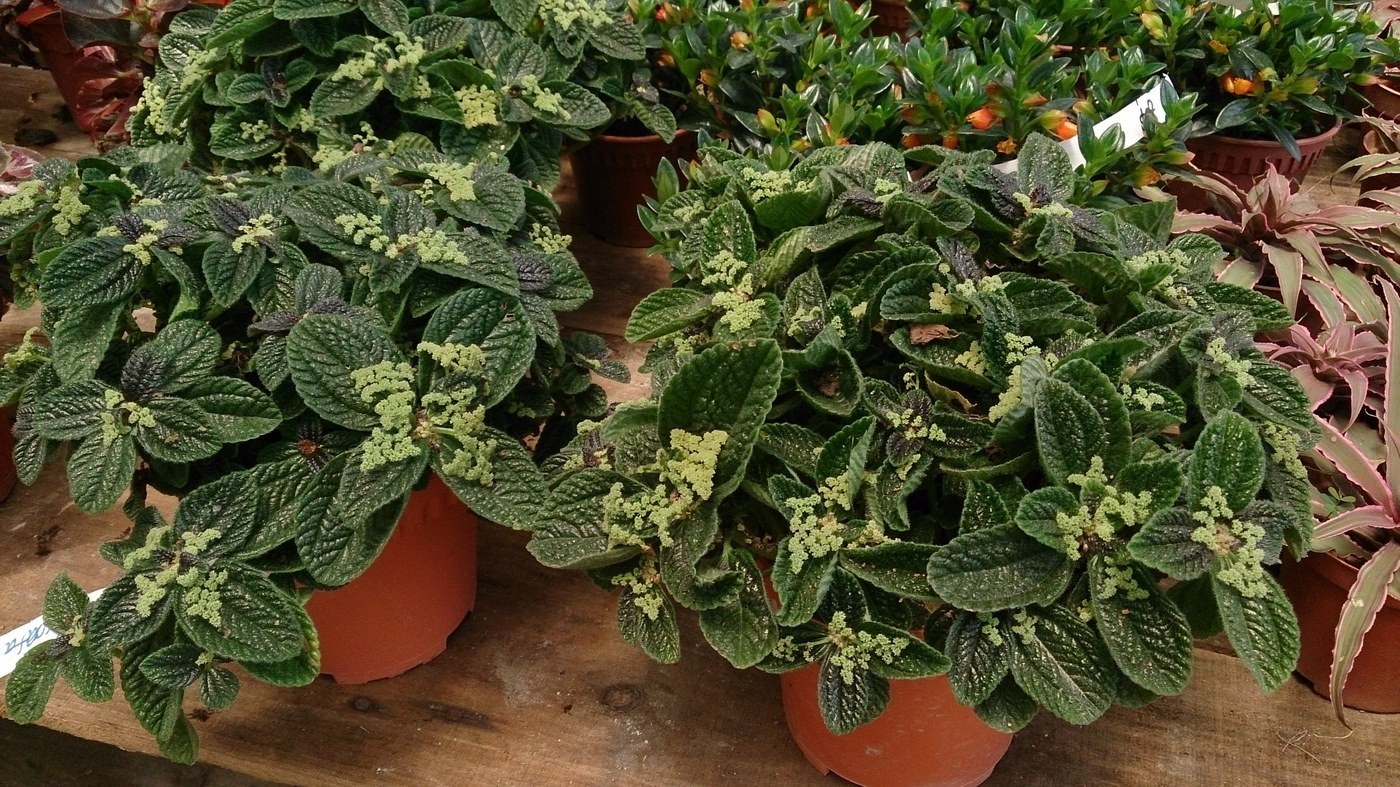
The friendship plant (Pilea involucrata) is a compact, easy-going houseplant grown for its deeply textured, quilted leaves in bronze-green with striking veining. Its readiness to root from cuttings, which growers love to pass along, gives it both its common name and its beginner-friendly reputation.
Light
Provide bright, indirect light for the richest leaf color and compact growth. An east-facing window or a spot near a bright south or west window with a sheer curtain is ideal. Direct sun scorches the delicate foliage and fades its coloring, while too little light leads to leggy, stretched stems and duller leaves. Rotate the pot occasionally so the plant grows evenly toward the light.
Water
Keep the soil lightly moist, allowing just the top layer to dry slightly between waterings. This plant likes even, gentle moisture and dislikes both drought and sogginess. Water thoroughly until it drains, then empty the saucer so the roots never sit in water. Reduce watering somewhat in winter when growth slows. Wilting and crisping leaf edges usually signal underwatering, while yellowing and mushy stems point to overwatering.
Soil & Potting
Use a light, well-draining, humus-rich potting mix. A blend of standard potting soil with added perlite and a little peat or coco coir holds gentle moisture while draining freely. Choose a small pot with drainage holes, as this shallow-rooted plant prefers a snug container. Refresh the mix when repotting to keep it open and airy, since compacted soil holds too much water around the roots.
Humidity & Temperature
Friendship plant is a tropical species that loves warmth and high humidity. Keep it in temperatures around 65-80 degrees F and away from cold drafts, heating vents, and windows in winter. It thrives in humid conditions, so grow it in a bathroom or kitchen, group it with other plants, set it on a pebble-humidity tray, or run a humidifier nearby. Dry air causes crisp leaf edges and can make foliage look tired.
Feeding
Feed lightly during the active growing season from spring through summer with a balanced, water-soluble houseplant fertilizer diluted to half strength, roughly every month. This modest feeding supports its compact, leafy growth. Stop or greatly reduce feeding in autumn and winter when growth naturally slows. Avoid over-fertilizing, which can burn the roots and cause brown leaf tips.
Propagation
Friendship plant propagates very easily from stem-tip cuttings, which is part of its charm. Snip a healthy shoot a few inches long just below a node, remove the lowest leaves, and root it either in water or directly in moist potting mix. Kept warm and humid, cuttings root within a couple of weeks. Plant several rooted cuttings together for a fuller, bushier pot, and share the extras with friends.
Repotting / Pruning
Repot every year or two in spring, or when roots fill the pot, moving up just one small size. This plant tends to get leggy with age, so pinch back growing tips regularly to encourage branching and a compact, bushy shape. Older, tired plants respond well to a hard cutback in spring, and the trimmings can be rooted as fresh cuttings to renew the display.
Common Problems & Pests
Leggy, sparse growth signals insufficient light or a lack of pinching. Crispy brown leaf edges usually mean the air is too dry or the plant was underwatered, while yellowing, limp leaves point to overwatering. Watch for common houseplant pests such as spider mites, which favor dry air, along with mealybugs and fungus gnats. Treat infestations promptly with insecticidal soap and improve humidity and drainage to prevent recurrence.
Seasonal Care Tips
In spring and summer the plant grows actively, so water regularly, feed lightly, and pinch tips to keep it bushy; this is the best time to repot and take cuttings. In autumn, ease back on water and feeding as growth slows. In winter, keep it warm, away from cold drafts and dry heat, water more sparingly, and boost humidity to counter the drying effect of indoor heating.
Frequently asked questions
Why is my friendship plant getting leggy?
Legginess is usually caused by too little light or by not pinching the plant. Move it to a brighter spot with bright indirect light and regularly pinch back the growing tips to encourage branching and a fuller, more compact shape.
How do I propagate a friendship plant?
Take a stem-tip cutting a few inches long, cut just below a node, remove the lowest leaves, and root it in water or moist potting mix. Kept warm and humid, it roots within a couple of weeks. Plant several rooted cuttings together for a bushier pot.
Why are the leaf edges turning brown and crispy?
Crispy brown edges typically mean the air is too dry or the plant was allowed to get too dry between waterings. Increase humidity with a pebble tray, humidifier, or grouping, and keep the soil lightly and evenly moist.
How much light does a friendship plant need?
Bright, indirect light is best. It gives the richest leaf color and compact growth. Avoid direct sun, which scorches and fades the foliage, and avoid deep shade, which causes stretched, leggy stems.