Friendship Plant
Pilea involucrata
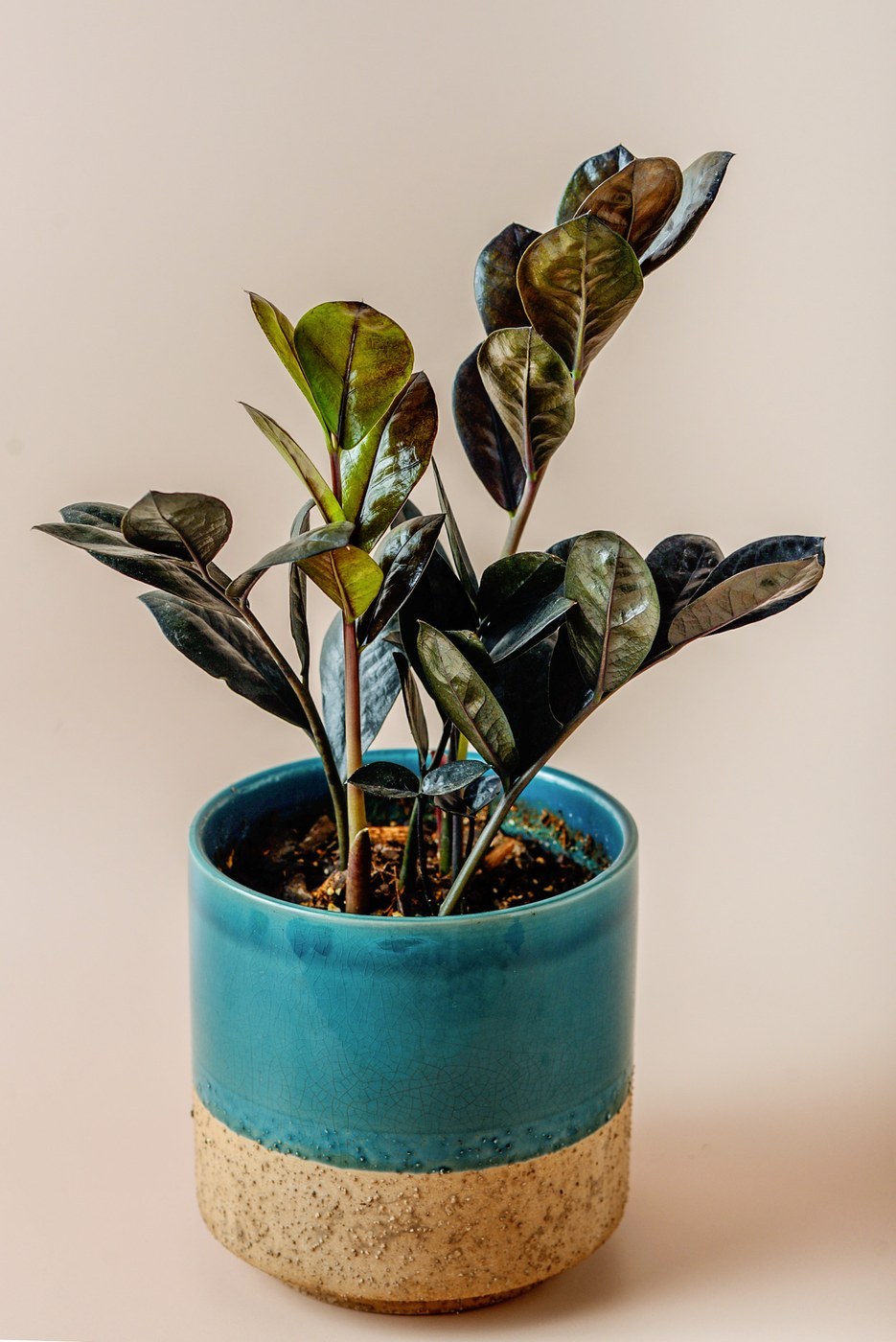
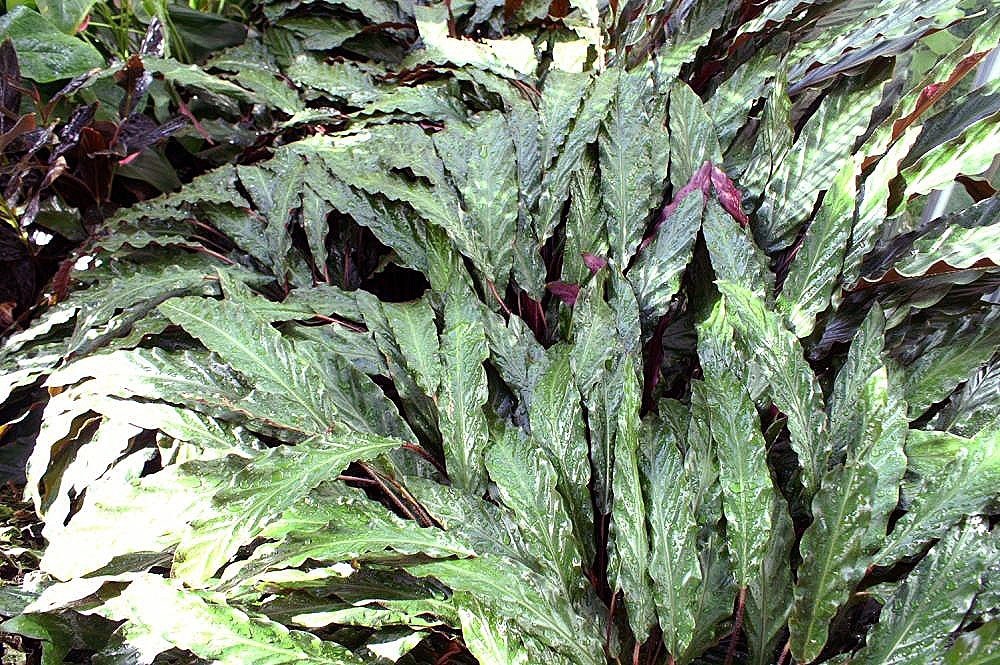
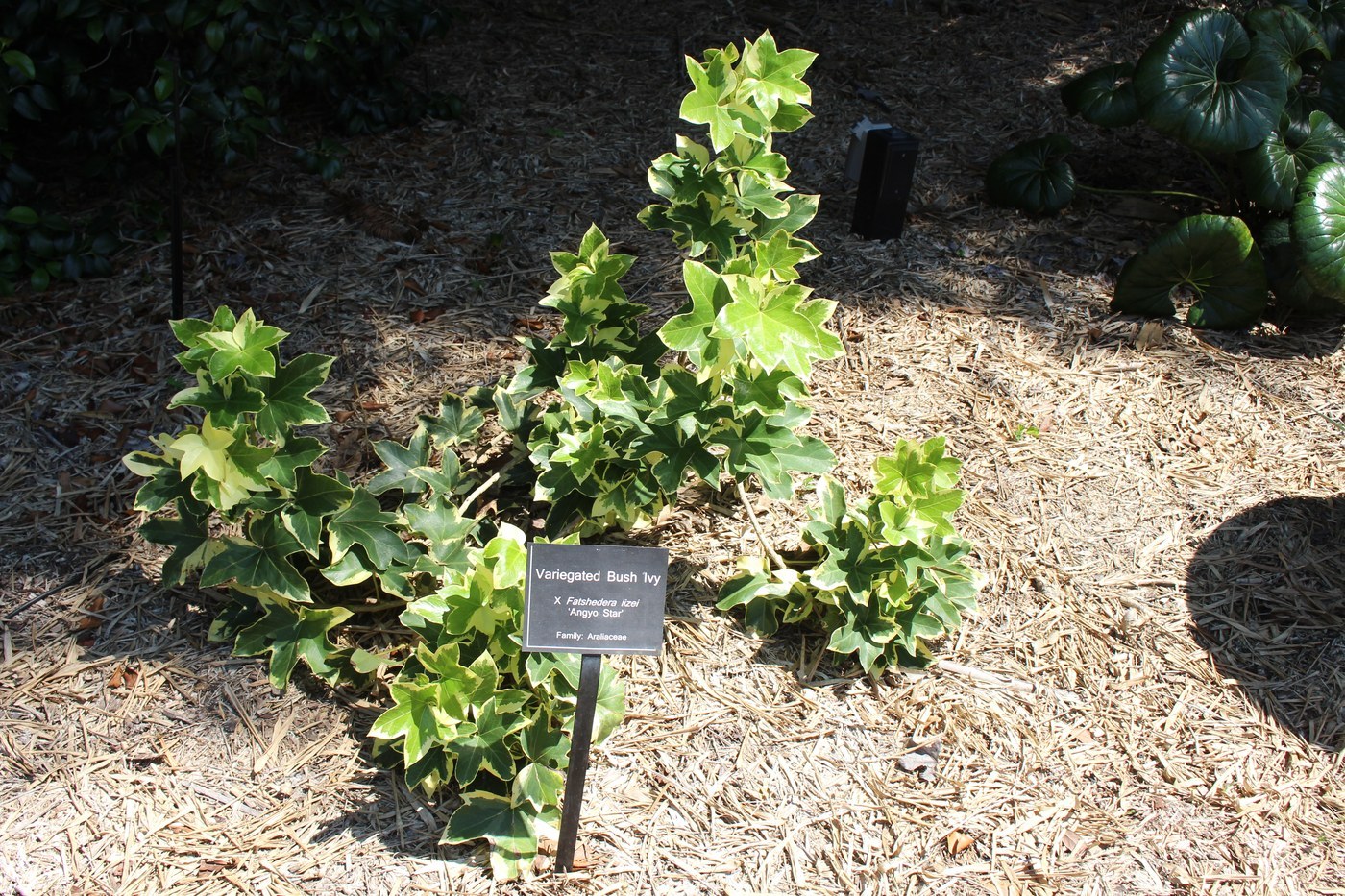
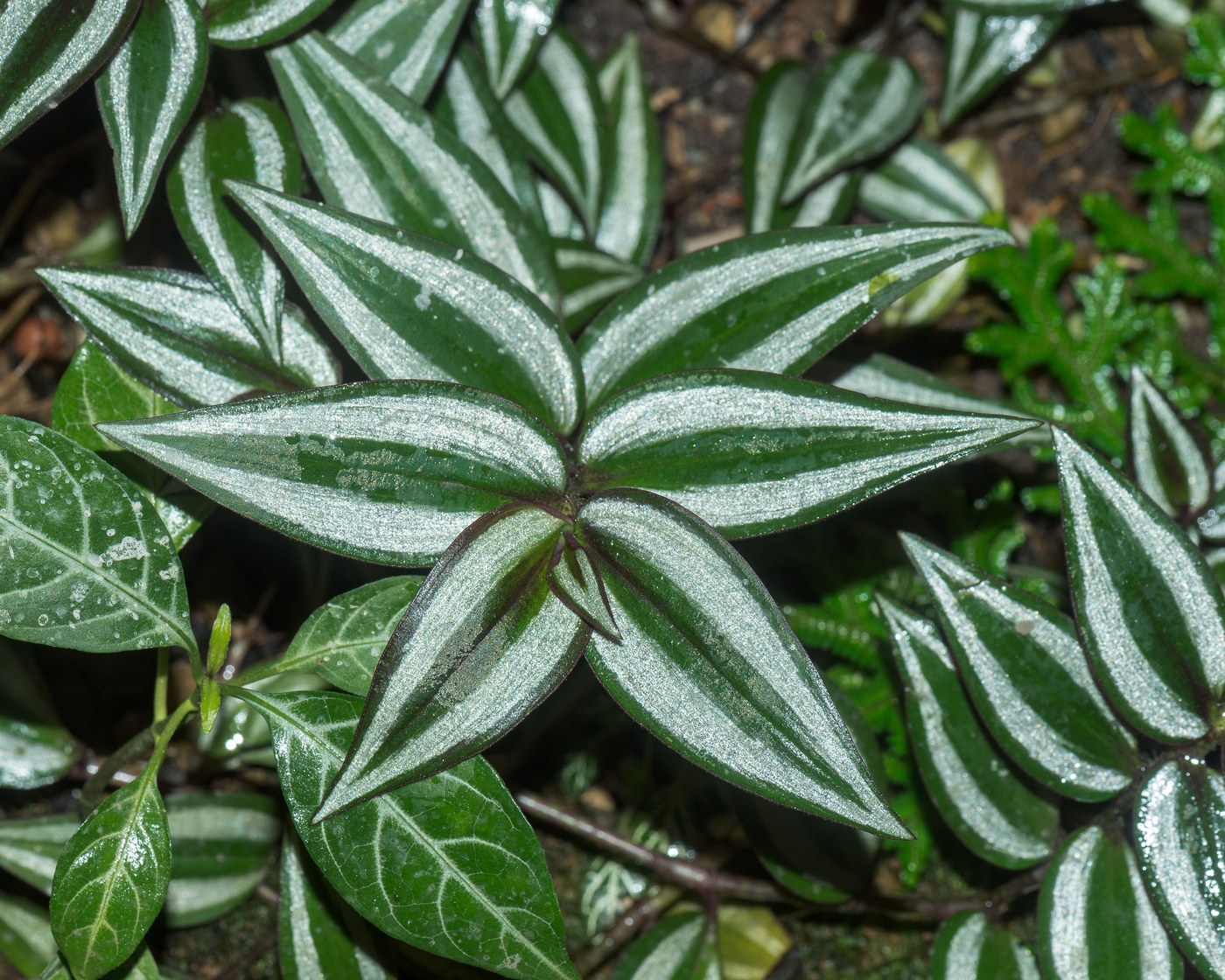
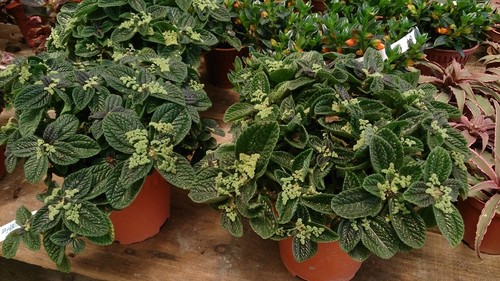
The Friendship Plant is a low-growing Pilea with deeply quilted, bronze-green leaves. It earns its name from how easily it propagates and is shared between gardeners.
- Light
- Bright indirect light
- Water
- Keep lightly moist
- Difficulty
- Easy
Got a plant like this?
Identify any plant from a photo, free.
Overview
The Friendship Plant, Pilea involucrata, is a compact tropical houseplant from Central and South America in the nettle family Urticaceae.
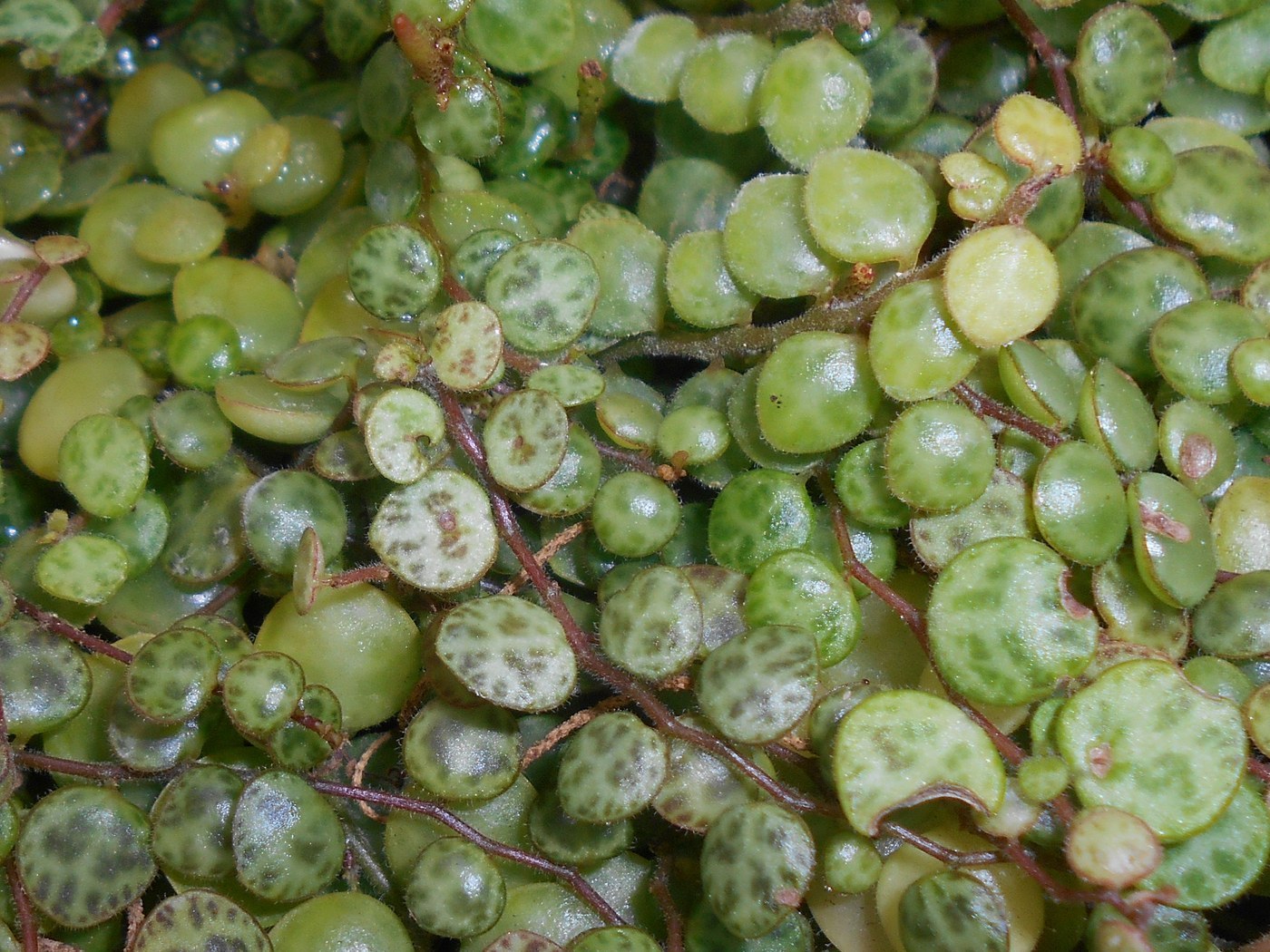
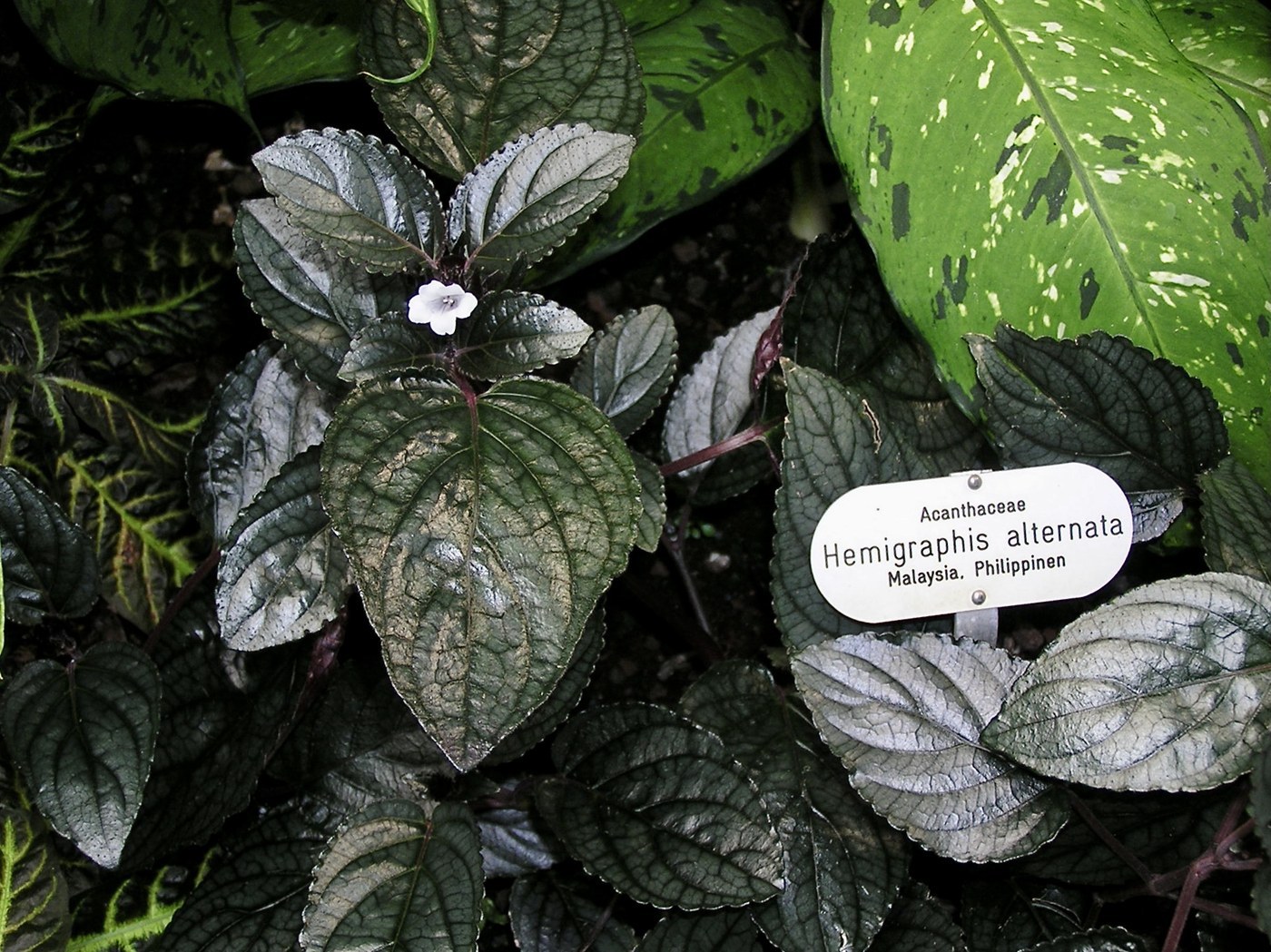
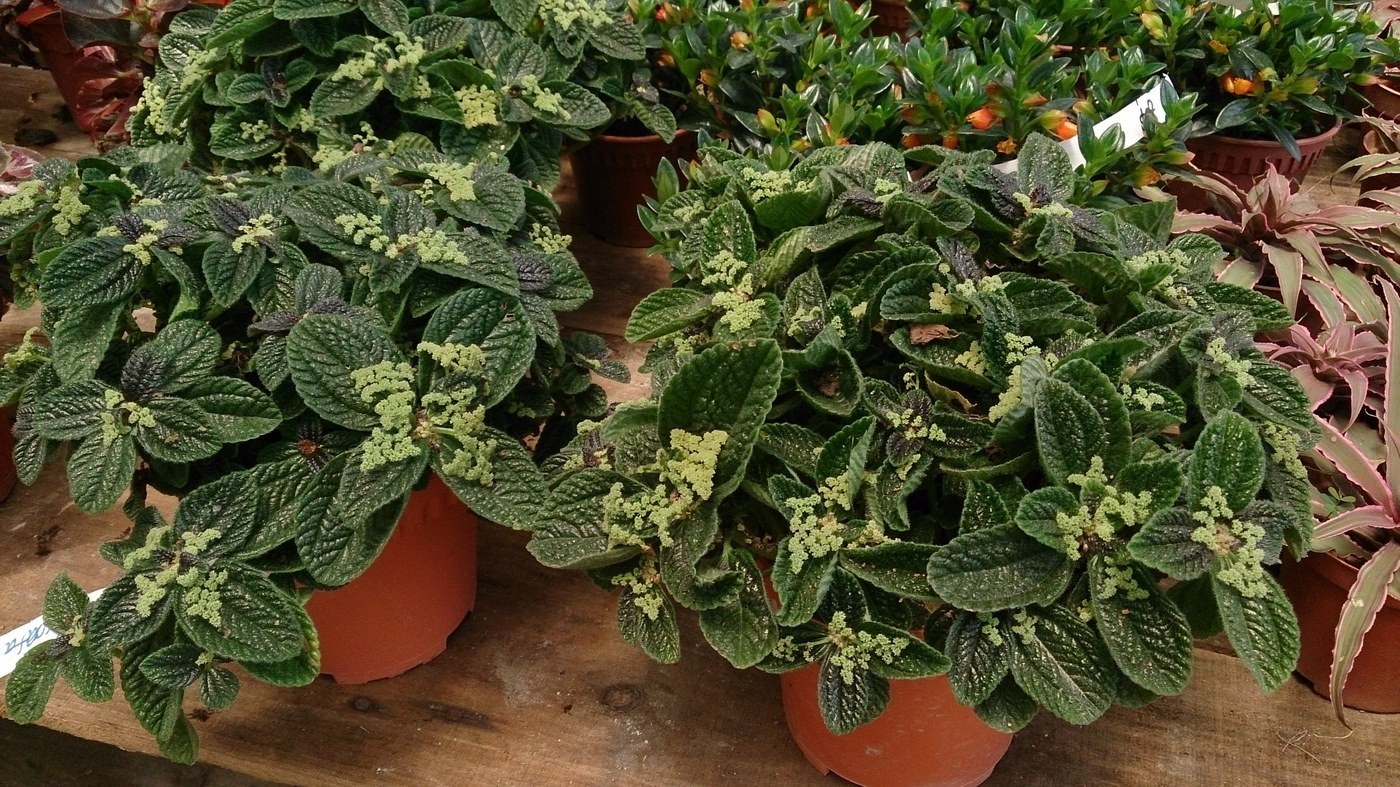
Its common name comes from its eager propagation: cuttings root so readily that gardeners traditionally pass them along to friends. The leaves are deeply textured and quilted, with a coppery sheen and soft, hairy surface.
It stays small and mounding, making it ideal for terrariums, dish gardens, and shelf displays where its richly textured foliage shines.
How to identify it
Key features to recognize the Friendship Plant:
- Leaves: oval, deeply quilted and corrugated, with sunken veins
- Color: bronze to apple green above, often flushed reddish beneath
- Texture: soft, slightly fuzzy surface
- Habit: low, mounding, bushy growth under 12 inches
- Flowers: small, inconspicuous pinkish blooms
Care & growing
Light: Bright, indirect light; avoid direct sun that bleaches the leaves.
Water: Keep soil lightly moist but not soggy; reduce in winter.
Soil: Light, well-draining, peat-based mix.
Temperature: 60-75F (16-24C); keep above 50F.
Humidity: Enjoys higher humidity, thriving in terrariums.
Feeding: Diluted balanced fertilizer monthly in spring and summer.
Propagation: Very easy from stem cuttings; pinch tips to keep it bushy.
Habitat & origin
Native to Central and South America, including the tropical forests of regions like Peru, where it grows as a low understory groundcover in warm, humid, shaded conditions.
This origin makes it well suited to humid terrariums and bright indoor spots. It is grown worldwide as an easy-care houseplant.
Frequently asked questions
Why is it called the Friendship Plant?
Because it roots so easily from cuttings that people commonly propagate and share it with friends.
Why is my plant getting leggy?
Too little light or lack of pruning. Pinch back stems and give brighter indirect light.
Can it grow in a terrarium?
Yes, its love of humidity and compact size make it an excellent terrarium plant.
How do I recognize the Friendship Plant?
Look for low, mounding growth with oval, deeply quilted leaves that are bronze to apple green above and softly hairy.
Friendship Plant guides
In-depth guides for identifying, growing, and caring for Friendship Plant.
How to Care for Friendship Plant
Grow the textured Pilea involucrata with bright indirect light, warmth, high humidity, and lightly moist soil for lush quilted foliage.
Friendship Plant Identification Guide
Identify the Friendship Plant (Pilea involucrata) by its deeply quilted, bronze-and-green textured leaves with reddish undersides and its low, bushy, easy-to-share habit.