
Friendship Plant Identification Guide
Identify the Friendship Plant (Pilea involucrata) by its deeply quilted, bronze-and-green textured leaves with reddish undersides and its low, bushy, easy-to-share habit.
Read the full Friendship Plant encyclopedia entry →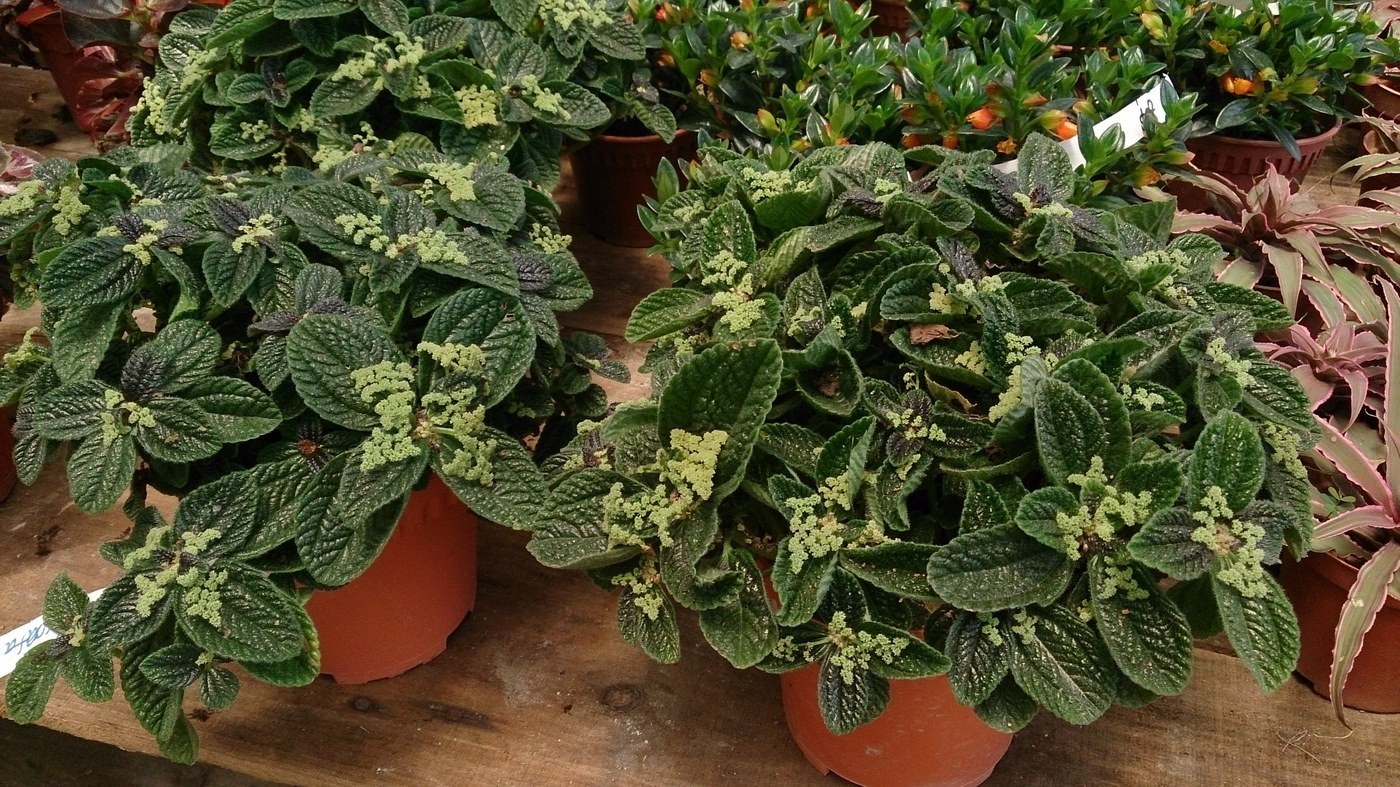
Key Identifying Features
The Friendship Plant (Pilea involucrata) is a low, bushy houseplant beloved for its richly textured leaves and the ease with which cuttings root, hence the name. The standout feature is the deeply quilted, puckered leaf surface in bronze-green tones with reddish-purple undersides.
- Heavily textured, quilted (bumpy) leaves with sunken veins
- Coloring blends apple-green and bronze/copper, often with a darker vein pattern
- Reddish to purple undersides
- Compact, mounding, soft-stemmed growth
Leaves & Stems
Leaves are oval, in opposite pairs, roughly 1-3 inches long, with finely scalloped (toothed) margins and a fuzzy, slightly hairy surface. The deeply impressed veins create a corrugated, three-dimensional texture that is the plant's calling card. Colors run from light green to coppery bronze, with the cultivar 'Moon Valley' showing especially dramatic dark-veined, chartreuse quilting.
Stems are succulent, soft, and reddish-tinged, branching freely to form a tidy mound usually under a foot tall. The stems root easily where they touch soil, which is why pieces are so commonly passed between friends.
Flowers & Fruit
Flowers are tiny, pinkish-to-greenish, and clustered but insignificant; the plant is grown entirely for foliage. Don't rely on blooms for ID, look at leaf texture and color.
How to Tell It Apart from Look-Alikes
- Pilea 'Moon Valley': a cultivar/close relative with the same quilting but more vivid lime-green and bronze contrast, often sold under the same Friendship Plant name.
- Pilea cadierei (Aluminum Plant): related, but has smooth leaves with raised silver patches, not an all-over quilted bronze texture.
- Pilea peperomioides (Chinese Money Plant): completely different, round flat coin-like leaves on long petioles, no quilting.
- Episcia / flame violet: can look similar with bronzy quilted leaves, but is a gesneriad with showy red or orange tubular flowers.
The key is quilted, fuzzy, bronze-green oval leaves in opposite pairs on soft reddish stems.
Where You'll Find It
Native to tropical Central and South America (Caribbean to Peru/Brazil), it grows on the humid forest floor. As a houseplant it likes medium to bright indirect light, warmth, and humidity, and stays small enough for terrariums and dish gardens.
Quick ID Checklist
- Leaves are deeply quilted/puckered with sunken veins
- Color is bronze-green, sometimes dark-veined
- Reddish-purple undersides
- Opposite leaf pairs, scalloped edges, slightly hairy
- Soft, reddish, easily rooting stems; compact mound
A small, bushy plant with bumpy bronze leaves that everyone keeps offering you a cutting of is the Friendship Plant.
Frequently asked questions
Why is it called the Friendship Plant?
Because cuttings root so readily that people constantly propagate and share it with friends. Snap off a stem segment, set it in soil or water, and it usually roots within a couple of weeks.
How do I tell it from the Aluminum Plant?
Both are Pileas, but the Aluminum Plant (Pilea cadierei) has smoother leaves marked with raised metallic silver patches. The Friendship Plant has an all-over quilted, bumpy bronze-green texture and reddish undersides.
Why is my Friendship Plant getting leggy?
Stretching usually means too little light. Move it to brighter indirect light and pinch back the tips to encourage a denser, more compact mound.