
How to Care for Fringe Tree
Grow the Fringe Tree (Chionanthus virginicus), an easy, adaptable small tree draped in fragrant, fringe-like white spring flowers.
Read the full Fringe Tree encyclopedia entry →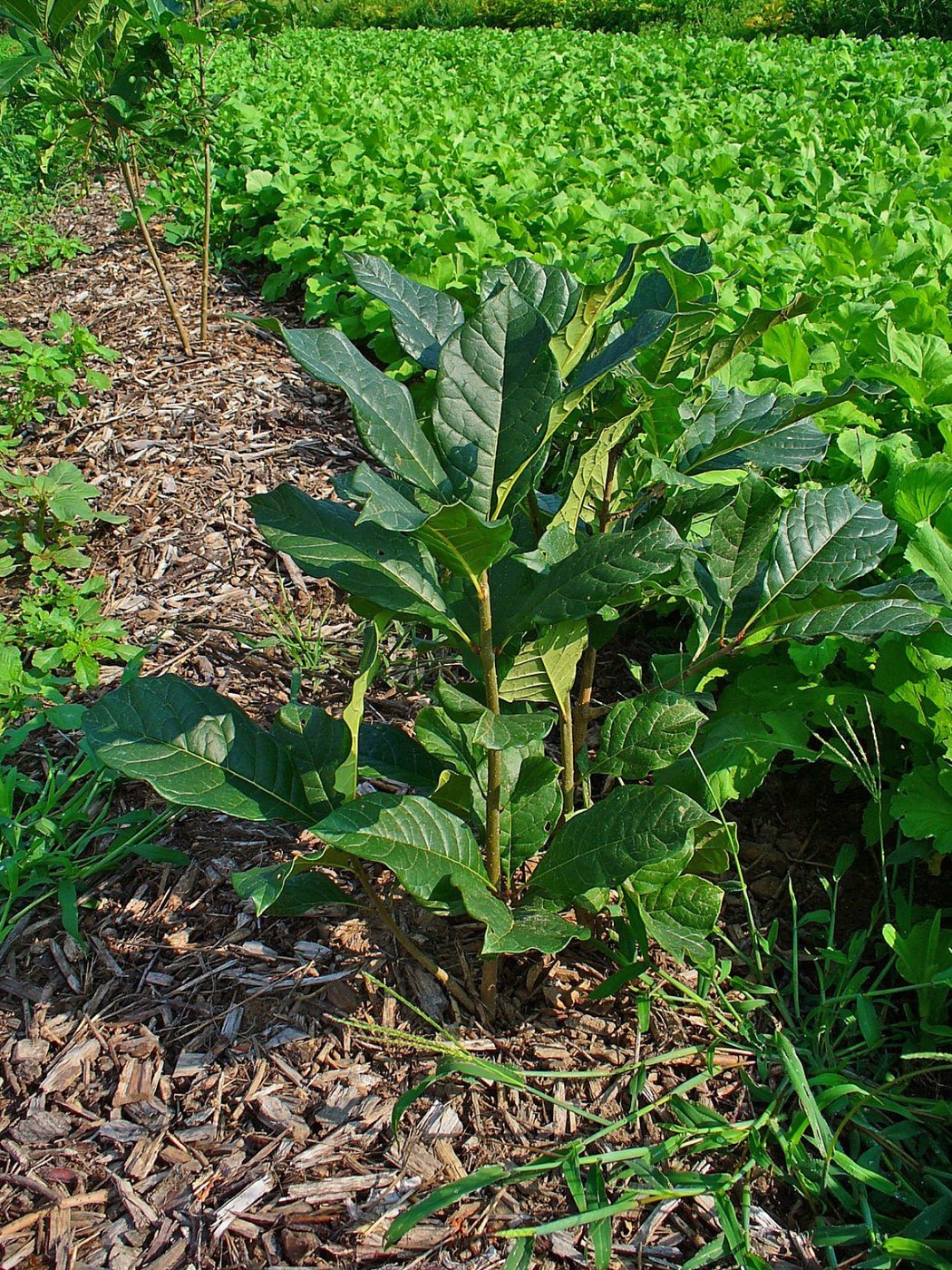
The Fringe Tree (Chionanthus virginicus) is a graceful small deciduous tree or large shrub famed for its cloud of delicate, fragrant white flowers with narrow, ribbon-like petals in late spring. Adaptable and low-maintenance, it is an excellent choice for gardeners seeking a showy, easy-care ornamental.
Light
Fringe Tree flowers best in full sun but also grows well in partial shade. More sun generally means heavier, more abundant bloom and denser form, while some afternoon shade is tolerated in hotter climates. Choose an open, sunny spot for the fullest display of its signature flowers.
Water
Provide moderate watering to keep the soil evenly moist, especially while the tree is establishing and during dry spells. Fringe Tree naturally grows near streambanks and moist woodlands, so it appreciates consistent moisture, though established trees show reasonable drought tolerance. Avoid letting young trees dry out completely.
Soil & Potting
Fringe Tree adapts to a wide range of soils but does best in deep, fertile, moist, well-drained loam that is slightly acidic. It tolerates clay and various soil types as long as drainage is adequate. Mulching around the base conserves moisture and keeps roots cool. It transplants best when young.
Humidity & Temperature
This hardy, temperate species handles a broad range of conditions, tolerating cold winters and warm, humid summers with ease. It requires no special humidity and adapts to typical outdoor temperate climates. Its adaptability to heat, cold, and even urban pollution adds to its easygoing reputation.
Feeding
Fringe Tree is not a demanding feeder. A single spring application of balanced or slow-release fertilizer, or a top-dressing of compost, supports healthy growth and bloom. Rich, fertile soil often makes supplemental feeding unnecessary. Avoid overfeeding, which can favor leafy growth over flowers.
Propagation
Propagation is most reliable from seed, though seeds have a double dormancy and can take two years or more to germinate, requiring patience and often warm followed by cold stratification. Softwood cuttings are notoriously difficult to root. Grafting onto related rootstock is sometimes used for named selections.
Repotting / Pruning
Fringe Tree needs little pruning and naturally forms an attractive, rounded to spreading shape. Remove dead, damaged, or crossing branches after flowering, since blooms form on the previous season's wood. Light shaping can train it as a single-trunk tree or multi-stemmed shrub. It resents heavy pruning, so keep cuts modest.
Common Problems & Pests
Fringe Tree is generally trouble-free and pest-resistant. Occasional issues include scale insects, mites, and borers, along with leaf spot or powdery mildew in humid conditions or poor air circulation. Emerald ash borer has been noted to affect this relative of ash, so monitor for dieback. Good siting and airflow prevent most problems.
Seasonal Care Tips
Plant in spring or fall while young, and water regularly through the first couple of seasons to establish. Enjoy the fragrant bloom in late spring, and prune lightly just afterward if needed. Mulch annually to conserve moisture, and provide extra water during summer droughts. It needs little winter protection in temperate zones.
Frequently asked questions
When does the Fringe Tree bloom?
It blooms in late spring, producing airy clusters of fragrant, ribbon-like white flowers. Because flowers form on the previous year's wood, prune only lightly and just after flowering to preserve the next season's display.
Does Fringe Tree need full sun?
It grows in full sun to partial shade but flowers most heavily in full sun. For the best bloom and densest form, plant it in an open, sunny location, allowing some afternoon shade in very hot climates.
How do I propagate a Fringe Tree?
Seed is the most reliable method, but seeds have double dormancy and can take two years or more to germinate. Cuttings root poorly, so patience with seed or grafting for named selections is usually needed.
Is the Fringe Tree easy to grow?
Yes. It is adaptable to many soils, tolerates heat, cold, and urban conditions, needs little pruning, and is largely pest-resistant. Just keep it evenly moist while young and enjoy its low-maintenance nature.