Fringe Tree
Chionanthus virginicus
A small native tree or large shrub that produces airy, cloud-like clusters of fragrant, fringe-like white flowers in late spring. Its feathery blooms give it the name old man's beard.
- Light
- Full sun to partial shade
- Water
- Moderate; keep evenly moist
- Difficulty
- Easy
Got a plant like this?
Identify any plant from a photo, free.
Overview
The white fringe tree, Chionanthus virginicus, is a small deciduous tree or large shrub in the olive family (Oleaceae), native to the eastern United States. In late spring it is smothered in drooping, feathery clusters of pure white flowers with narrow, ribbon-like petals, creating a soft, cloud-like effect and a sweet fragrance.
It typically grows 12-20 ft (3.5-6 m) tall, often multi-stemmed and rounded. The genus name Chionanthus means "snow flower," referring to the brilliant white bloom.
Fringe trees are dioecious (separate male and female plants); male trees have showier flowers, while female trees bear clusters of blue-black fruits attractive to birds.
How to identify it
- Flowers: Loose, drooping clusters (panicles) of white flowers with four to six very narrow, strap-like petals, fragrant; appearing in late spring
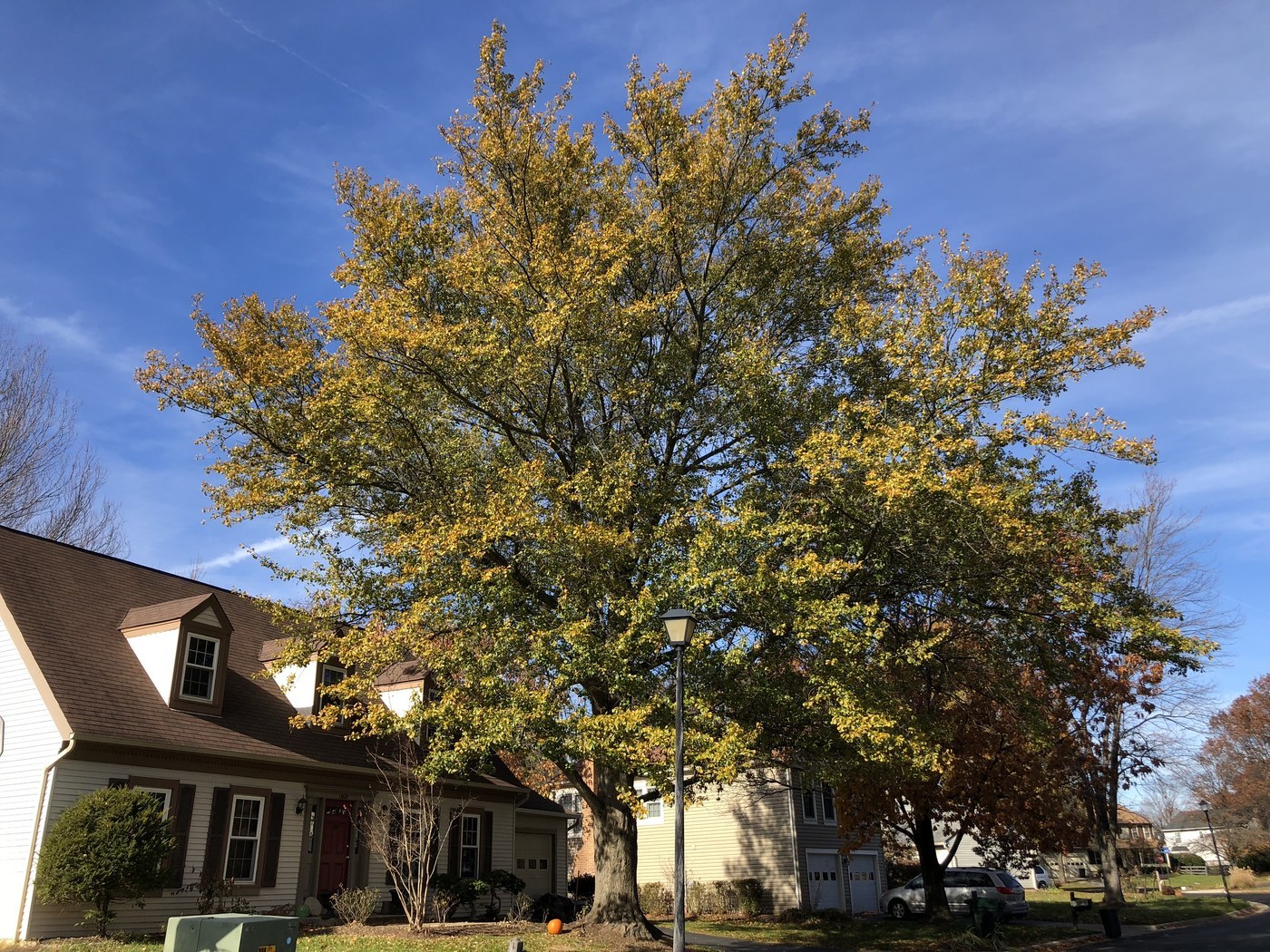
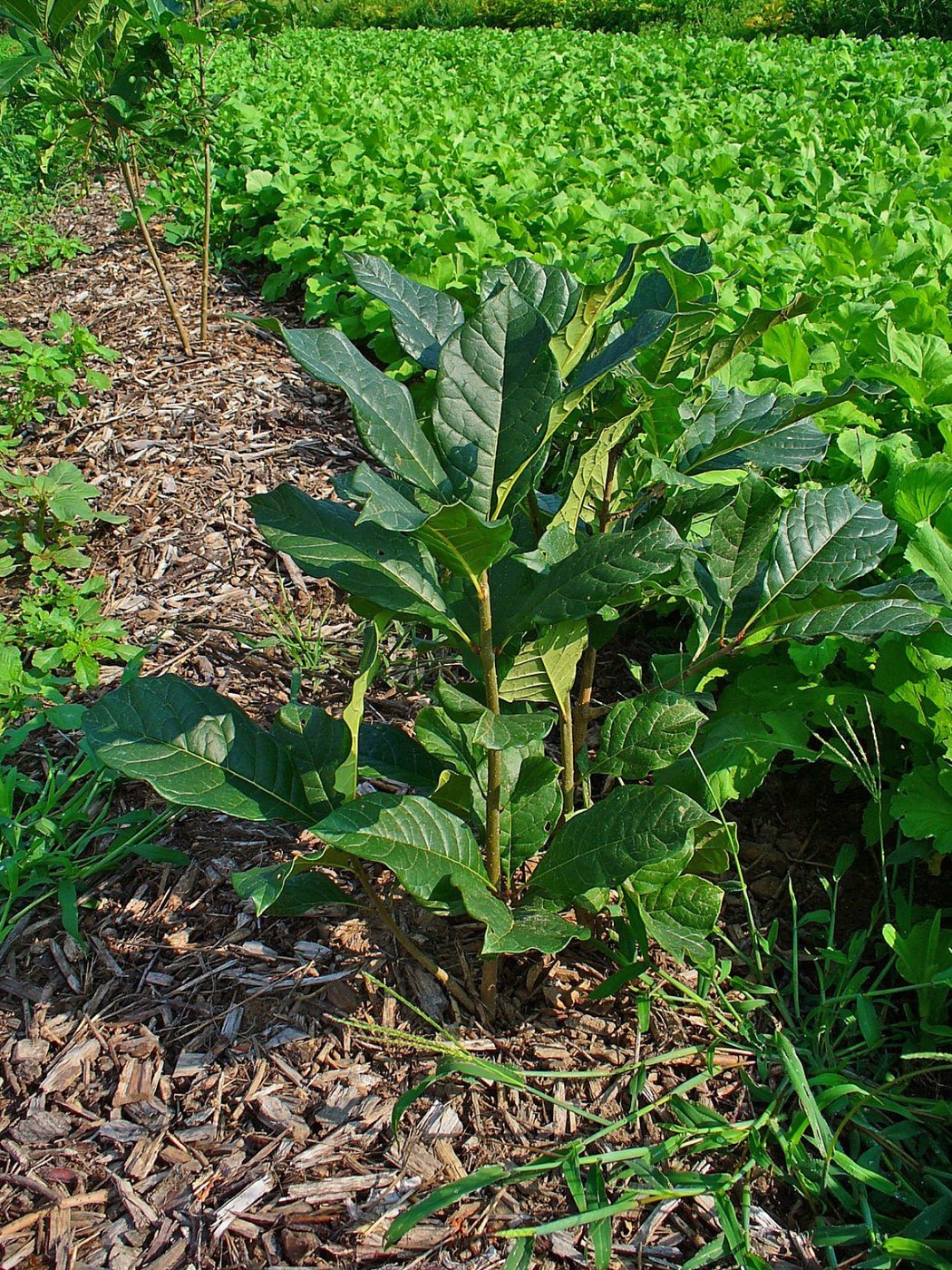
- Leaves: Opposite, oval, glossy dark green, turning yellow in fall; emerge after or with flowers
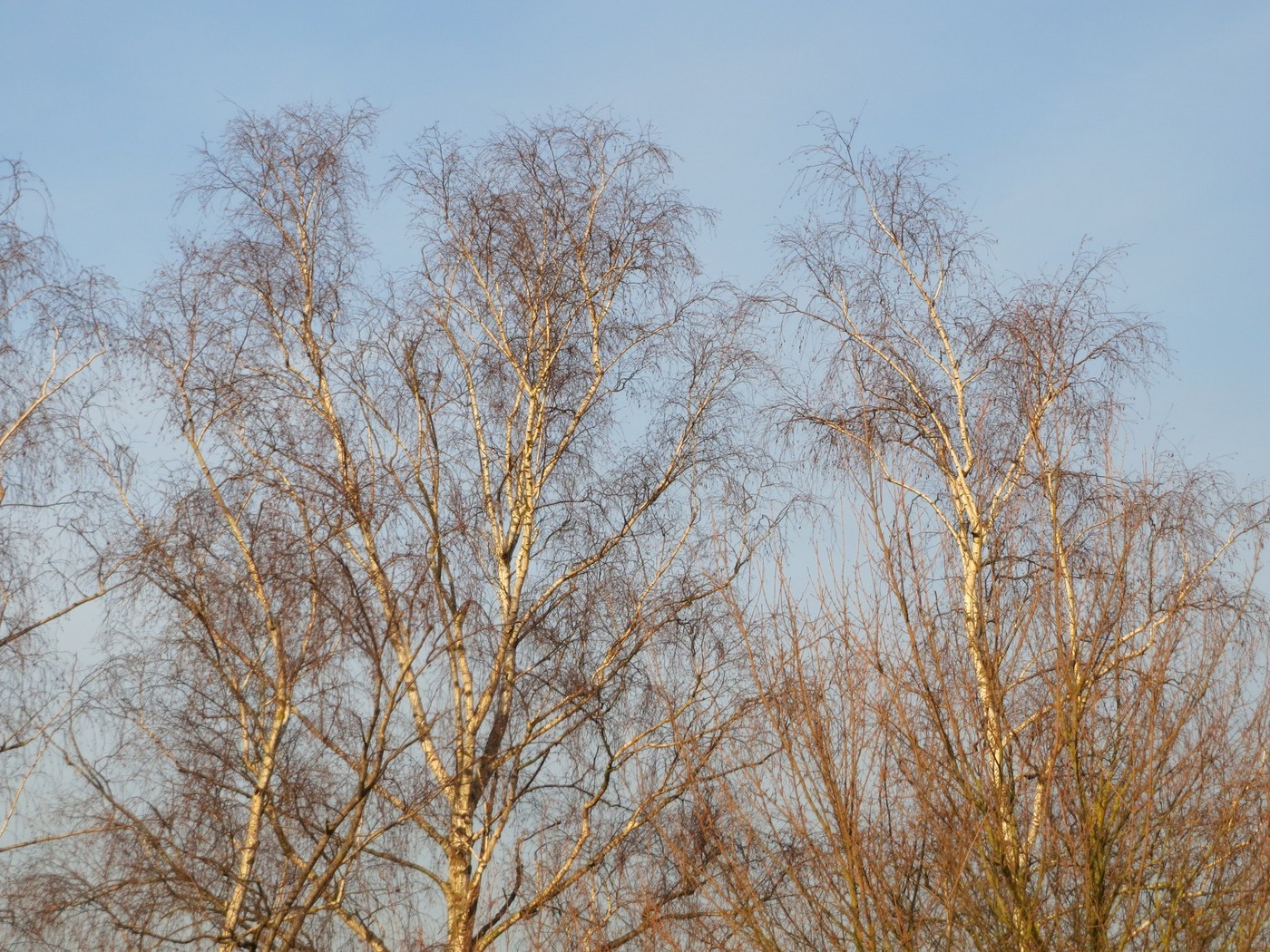
- Habit: Small multi-stemmed tree or large shrub, 12-20 ft, rounded
- Fruit: On female plants, clusters of dark blue, olive-like drupes in late summer
- Bark: Gray-brown, becoming ridged with age
Care & growing
Light: Full sun to partial shade; flowering is best with more sun.
Water: Prefers consistently moist soil and tolerates occasional wetness; water during dry spells.
Soil: Adaptable but favors deep, moist, fertile, slightly acidic soil.
Temperature: Hardy in USDA zones 3-9, making it widely adaptable.
Feeding: Light feeding in spring; generally low maintenance.
Pruning & propagation: Needs little pruning; shape after flowering. Propagation from seed is slow (often requiring two dormancy periods); cuttings are difficult.
Habitat & origin
Chionanthus virginicus is native to the savannas, woodland edges, and stream banks of the eastern and southeastern United States, from New Jersey south to Florida and west to Texas.
It is widely planted as an ornamental across temperate North America and Europe and is valued as a tough, adaptable native tree for gardens, naturalized areas, and pollinator landscapes.
Frequently asked questions
Why doesn't my fringe tree produce fruit?
Fringe trees are dioecious, meaning plants are either male or female. Only female trees produce the blue-black fruit, and they need a nearby male to pollinate them.
When does the fringe tree bloom?
It blooms in late spring, typically May to early June, with feathery white flower clusters that last a couple of weeks.
Is the fringe tree easy to grow?
Yes, it is adaptable and low-maintenance, tolerating a wide range of soils and climates from USDA zones 3-9, though it prefers moist, fertile soil.
Is the fringe tree native?
Yes, Chionanthus virginicus is native to the eastern and southeastern United States, making it a valuable choice for native and pollinator gardens.
Fringe Tree guides
In-depth guides for identifying, growing, and caring for Fringe Tree.
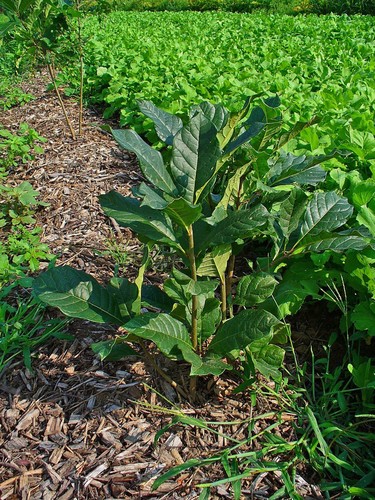
How to Care for Fringe Tree
Grow the Fringe Tree (Chionanthus virginicus), an easy, adaptable small tree draped in fragrant, fringe-like white spring flowers.
Fringe Tree Identification Guide
Identify the fringe tree (Chionanthus) by its airy clouds of fragrant, strap-petaled white flowers, opposite leaves, and blue fall fruit.