
Fringe Tree Identification Guide
Identify the fringe tree (Chionanthus) by its airy clouds of fragrant, strap-petaled white flowers, opposite leaves, and blue fall fruit.
Read the full Fringe Tree encyclopedia entry →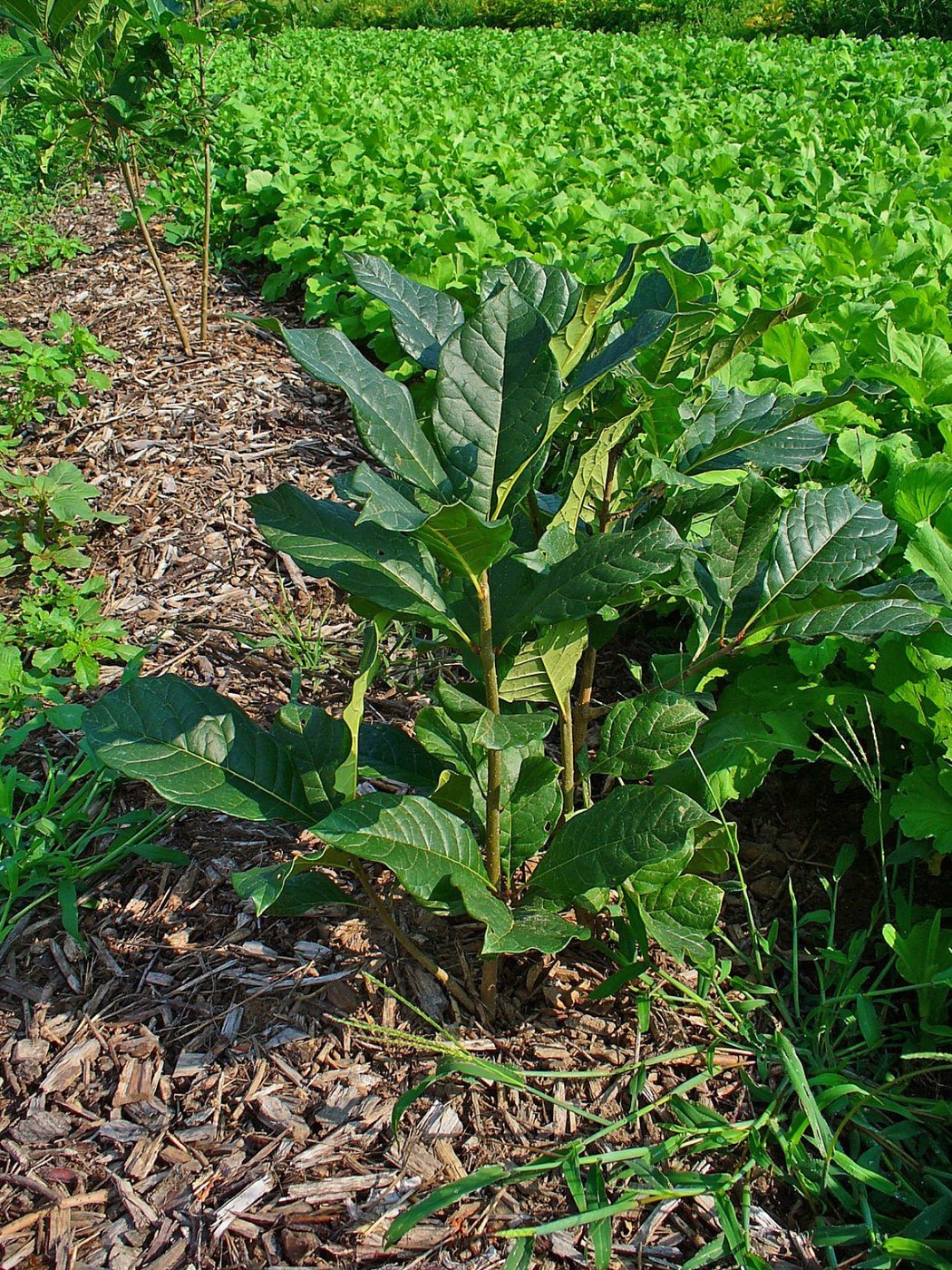
Key Identifying Features
The fringe tree (Chionanthus virginicus, white fringetree) is a small native tree or large shrub named for its fleecy, fringe-like clusters of white flowers that drape the branches in late spring, looking like puffs of mist (the genus name means "snow flower").
- Size & form: 12–20 ft tall, multi-stemmed, with a rounded, open, spreading crown.
- Bark: Smooth gray-brown, becoming slightly ridged and scaly with age.
- Leafing: One of the last trees to leaf out in spring—a useful habit clue.
Leaves & Stems
Leaves are simple and OPPOSITE (or sub-opposite)—an important trait, since most look-alikes are alternate. They are large, oblong to elliptical, 4–8 inches long, with smooth (untoothed) margins, glossy dark green above, paler below, turning yellow in fall. The opposite arrangement places it near ash and olive relatives (it's in the olive family, Oleaceae).
Flowers & Fruit
- Flowers (late spring): Borne in large, loose, drooping clusters (panicles) 4–8 inches long. Each flower has 4 (sometimes 5–6) narrow, strap-like petals about 1 inch long, pure white, giving the delicate fringed, lacy appearance. They are sweetly fragrant. Trees are typically dioecious; male flowers are showier, female ones produce fruit.
- Fruit (late summer–fall): On female trees, clusters of egg-shaped dark blue to purple drupes about ½ inch, resembling small olives—eaten by birds.
How to Tell It Apart from Look-Alikes
- Chinese fringe tree (C. retusus): Similar but with smaller, blunter leaves and even denser flower clusters held more upright; bark exfoliates.
- Smoke tree (Cotinus): Produces hazy plumes too, but from elongated flower stalks, with alternate rounded leaves—not strap-petaled flowers.
- Fringe-flower (Loropetalum): A shrub with similar strappy petals, usually pink/white, and smaller leaves.
- Dogwood: Flat bracts, not fringe; opposite leaves but different flower.
- Diagnostic: opposite smooth leaves + drooping clusters of 4 strap-like white petals + blue olive-like fruit.
Where You'll Find It
Native to the eastern United States, the white fringe tree grows in woodland edges, streambanks, and savannas, and is widely planted as an ornamental for its flowers and fragrance (USDA 3–9). It tolerates a range of soils and some shade but flowers best in full sun with moist, fertile ground.
Quick ID Checklist
- Small multi-stemmed tree, late to leaf out
- OPPOSITE, smooth-edged, oblong leaves
- Drooping clusters of fringed, strap-petaled white flowers, fragrant
- Blue-purple olive-like fruit on female trees
- Native woodland-edge ornamental
Frequently asked questions
Why is it called a fringe tree?
Its flowers have narrow, strap-like white petals about an inch long that hang in loose, lacy clusters, giving the whole tree a soft, fringed or fleecy appearance in late spring.
Do all fringe trees produce fruit?
No. Fringe trees are usually dioecious, meaning individual plants are male or female. Only female trees (pollinated by a nearby male) produce the blue-purple olive-like drupes; male trees have showier flowers.
How do I distinguish a fringe tree from a smoke tree?
Fringe tree has opposite leaves and true white strap-petaled flowers in drooping clusters, while smoke tree has alternate rounded leaves and a hazy 'smoke' effect from elongated fuzzy flower stalks, not actual fringe petals.
Is the fringe tree native to North America?
The white fringe tree (Chionanthus virginicus) is native to the eastern United States. A related species, the Chinese fringe tree (C. retusus), comes from East Asia and is also widely planted.