
How to Care for Geum
Care guide for Geum (Geum coccineum), an easy, long-blooming perennial with cheerful scarlet-orange flowers on wiry stems above tidy foliage.
Read the full Geum encyclopedia entry →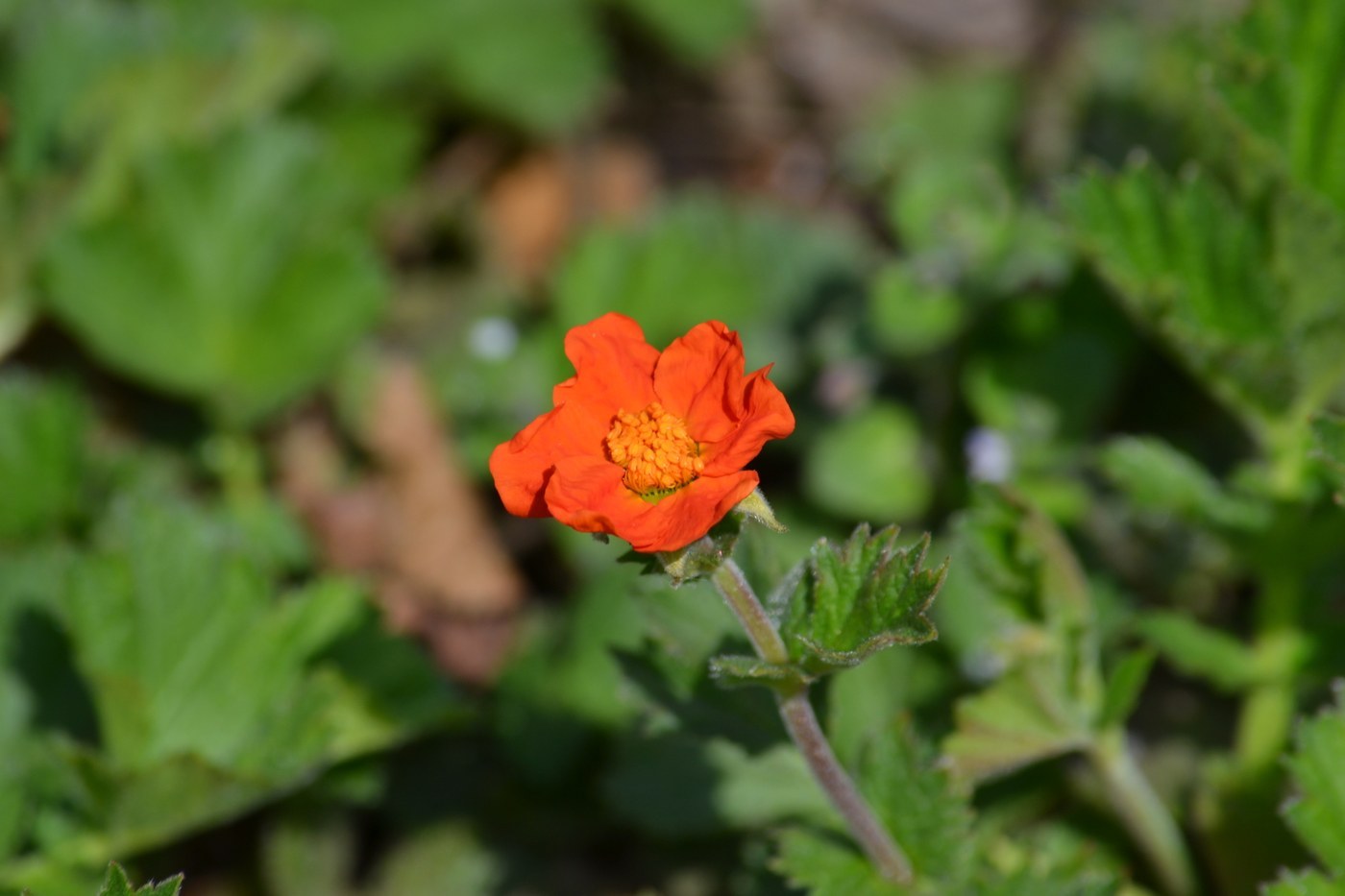
Geum, sometimes called avens, is a dependable clump-forming perennial that produces bright, saucer-shaped flowers in warm scarlet, orange, and gold tones on slender stems. It is easy to grow, long-blooming, and a favorite for the front and middle of sunny borders.
Light
Geum performs best in full sun to part shade. In cooler climates full sun gives the most abundant flowering, while in hotter regions a bit of afternoon shade prevents the plants from wilting and extends bloom. Too much shade reduces flower count and makes the plant stretch.
Water
Keep the soil evenly moist, in line with its moderate water needs. Geum dislikes both drought and waterlogging; the sweet spot is steady, gentle moisture through the growing season. Water deeply during dry spells, especially while plants are flowering, and mulch to help retain even moisture around the roots.
Soil & Potting
Provide fertile, humus-rich soil that drains freely. Geum thrives where organic matter holds moisture without becoming soggy, so work compost into heavy or sandy ground before planting. Slightly acidic to neutral soil suits it well. In containers, use a quality potting mix and ensure the pot has good drainage holes.
Humidity & Temperature
Geum is a hardy, temperate perennial that tolerates cold winters and enjoys mild summers. It does not require extra humidity. Hot, dry heat is its main weakness, so in warm climates the cooler, moister a spot you can give it, the better it performs.
Feeding
Feed lightly. A spring application of balanced slow-release fertilizer or a topdressing of compost as growth resumes supports strong flowering. Avoid heavy nitrogen, which promotes leaves at the expense of blooms. A midseason boost can encourage a second flush.
Propagation
The easiest method is division of established clumps in spring or early autumn; lift the plant and separate it into sections each with roots and growing points. Geum can also be grown from seed sown in spring, though named cultivars may not come true. Deadheading extends flowering and reduces unwanted self-sowing.
Repotting / Pruning
Divide clumps every two to three years to keep them vigorous, as older centers tend to weaken. Deadhead spent blooms regularly to prolong the display. Cut back tired or ragged foliage after flowering to encourage a fresh, tidy mound, and clear away dead leaves in late winter before new growth emerges.
Common Problems & Pests
Geum is largely trouble-free. Poor drainage can cause root and crown rot, so avoid soggy sites. In humid conditions powdery mildew may spot the foliage; improve air circulation and avoid overhead watering. Occasional pests include sawfly larvae and caterpillars that chew leaves, which can be picked off by hand.
Seasonal Care Tips
Plant in spring or autumn. Expect the main flush of bloom from late spring into summer, with rebloom possible if deadheaded. Keep the soil moist through hot weather. In autumn tidy the clump, and in colder regions a light mulch protects the crown over winter. Divide and refresh clumps every few years to sustain flowering.
Frequently asked questions
How often should I divide Geum?
Divide clumps every two to three years in spring or early autumn. This keeps plants vigorous and floriferous, since older centers can weaken and thin out over time.
Why isn't my Geum flowering well?
Common causes are too much shade, excessive nitrogen fertilizer, or a clump that has grown old and congested. Give it more sun, feed lightly, and divide overgrown plants to restore bloom.
Can Geum handle full sun?
Yes, especially in cooler climates where full sun produces the most flowers. In hot regions give it some afternoon shade and keep the soil moist to prevent wilting.
Does deadheading help?
Yes. Removing spent flowers regularly prolongs the blooming season and can trigger a second flush, while also limiting self-sowing.