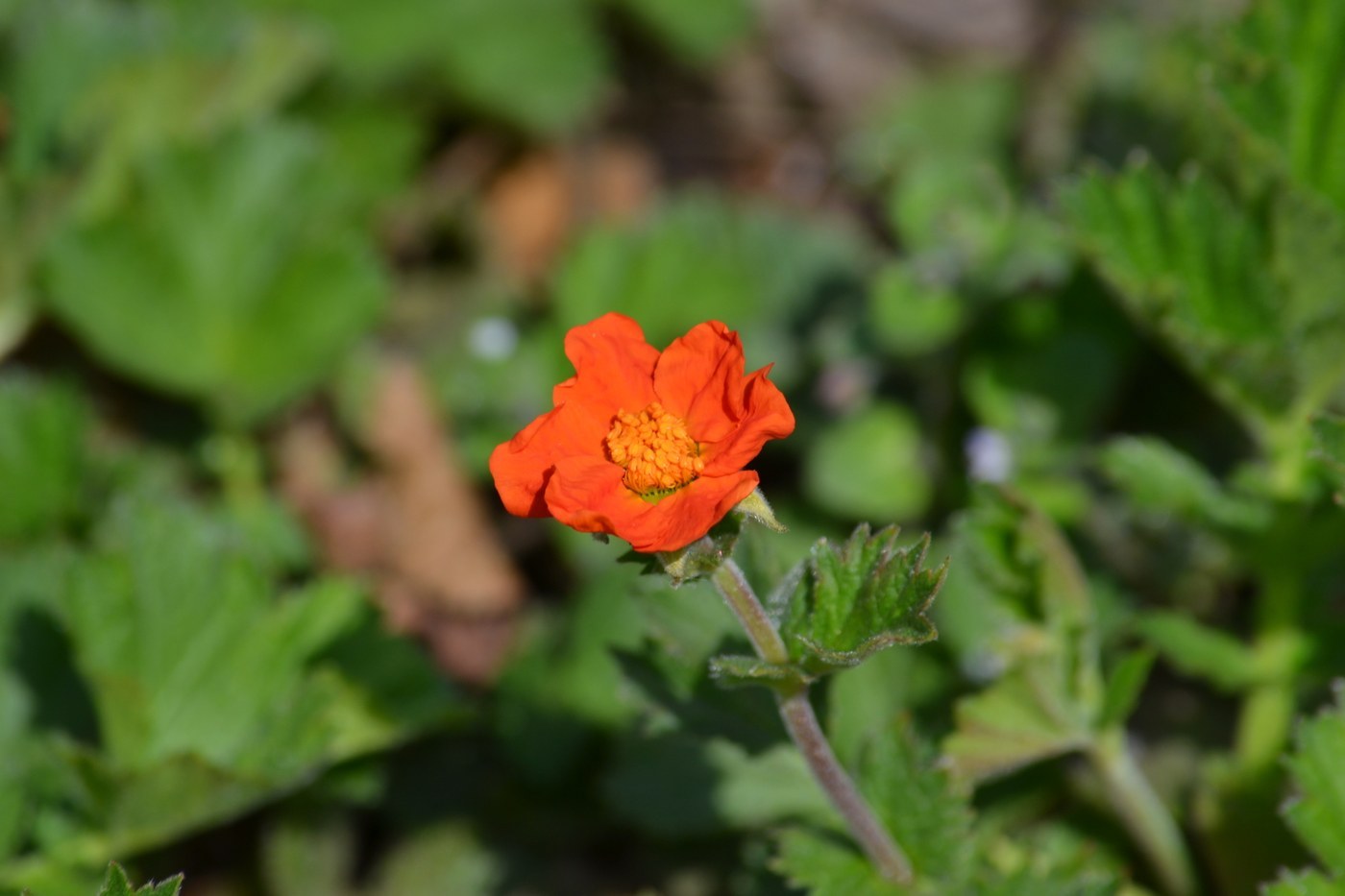
Geum
Geum coccineum
Geum, or avens, is a clump-forming perennial with airy stems of cheerful red, orange, or yellow flowers above hairy basal foliage. It blooms from late spring into summer in cottage borders.
- Light
- Full sun to part shade
- Water
- Moderate; keep evenly moist
- Difficulty
- Easy
Got a plant like this?
Identify any plant from a photo, free.
Overview
Geum (commonly called avens) is a genus of hardy perennials in the rose family, grown for their bright, often warm-toned flowers that hover on slender, branching stems above neat clumps of foliage.
Garden geums are largely hybrids and selections of species like Geum coccineum and Geum chiloense, offering single or semi-double blooms in scarlet, orange, gold, and apricot. They have a long, generous bloom season, especially with deadheading.
Easy and unfussy, geums bridge the gap between spring bulbs and summer perennials in the cottage border.
How to identify it
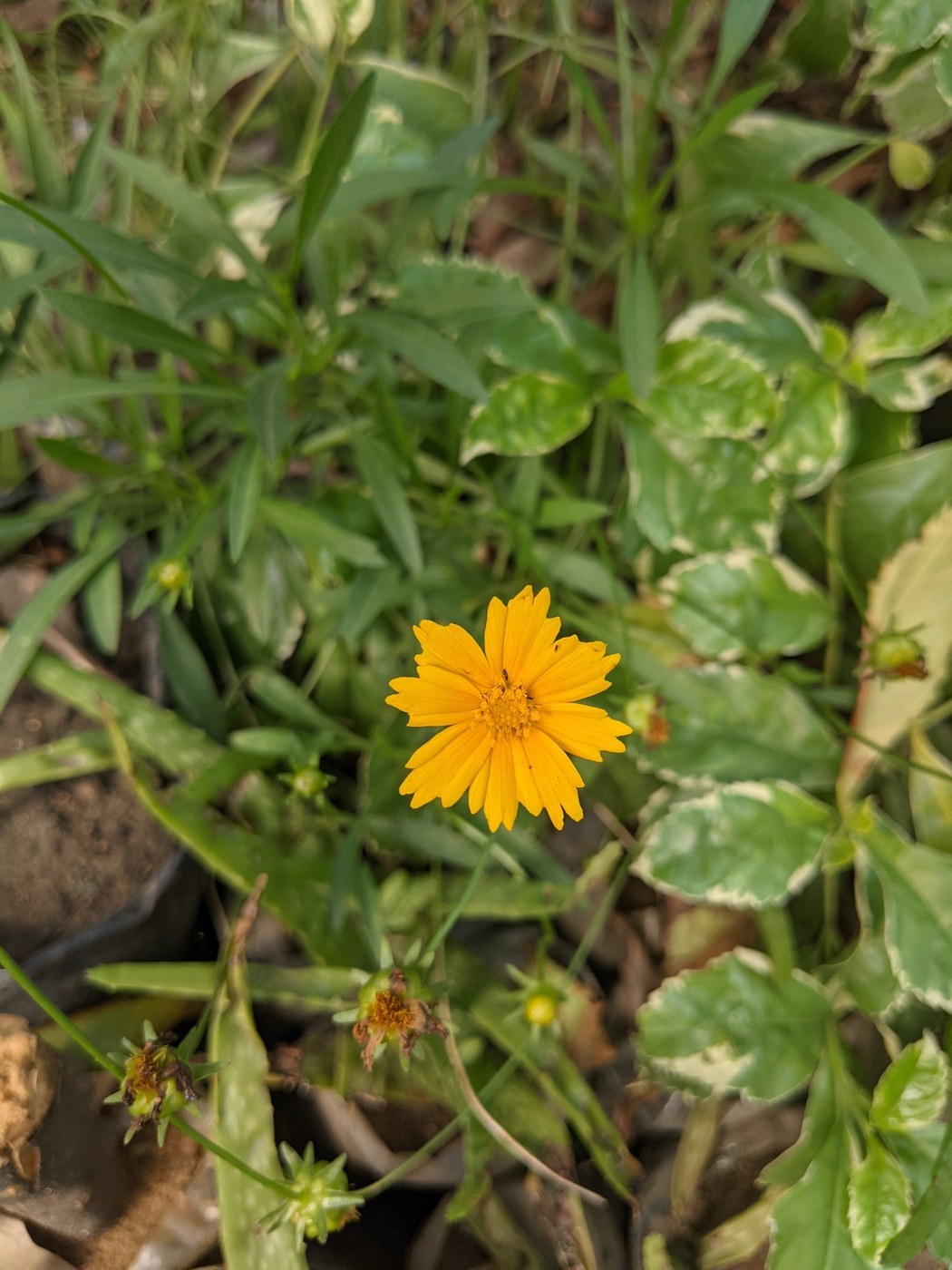
- Flowers: Saucer- or cup-shaped, 1-1.5 in, in red, orange, yellow, or apricot; single to double, on wiry branching stems
- Foliage: Rounded to lobed, hairy, somewhat crinkled leaves in a low basal rosette, often semi-evergreen
- Height: Typically 1-2 ft in flower
- Bloom time: Late spring through summer
- Seed heads: Some species form fluffy or hooked seed heads after bloom
Care & growing
- Light: Full sun to part shade; afternoon shade is welcome in hot regions
- Water: Keep evenly moist, especially during bloom; geums dislike drying out
- Soil: Fertile, moisture-retentive but well-drained soil; avoid waterlogged winter ground
- Temperature: Hardy roughly USDA zones 4-7 depending on type
- Feeding: A spring feed or compost topdressing supports flowering
- Propagation: Easiest by division every 2-3 years to keep clumps vigorous; species also grow from seed
Habitat & origin
Geum species are found across temperate regions of Europe, Asia, the Americas, and into the Southern Hemisphere, growing in meadows, woodland edges, and mountain slopes. Geum coccineum hails from the Balkans and Asia Minor.
In gardens, geums are popular throughout temperate climates for cottage borders, gravel gardens, and the front to middle of mixed beds.
Frequently asked questions
Why has my geum stopped flowering?
Geums bloom most heavily when young and well watered. Deadhead spent flowers, keep the soil moist, and divide congested clumps every few years to restore vigor.
Are geums evergreen?
Many are semi-evergreen, holding a rosette of foliage through mild winters and dying back in colder ones. Tidy old leaves in early spring.
How do I keep geums blooming all summer?
Regular deadheading and consistent moisture extend the display significantly, and some hybrids rebloom strongly into late summer.
Do geums need full sun?
They flower best in full sun in cooler climates but appreciate part shade and reliable moisture in hot summer areas.
Geum guides
In-depth guides for identifying, growing, and caring for Geum.
How to Care for Geum
Care guide for Geum (Geum coccineum), an easy, long-blooming perennial with cheerful scarlet-orange flowers on wiry stems above tidy foliage.
Geum Identification Guide
How to identify Geum (avens) by its low rosettes of pinnate, lyre-shaped leaves and cheerful five-petaled flowers in red, orange, or yellow on wiry branching stems.