
How to Care for Giant Sequoia
Grow the majestic Giant Sequoia (Sequoiadendron giganteum): full sun, consistent moisture, deep well-drained soil, and patient long-term care.
Read the full Giant Sequoia encyclopedia entry →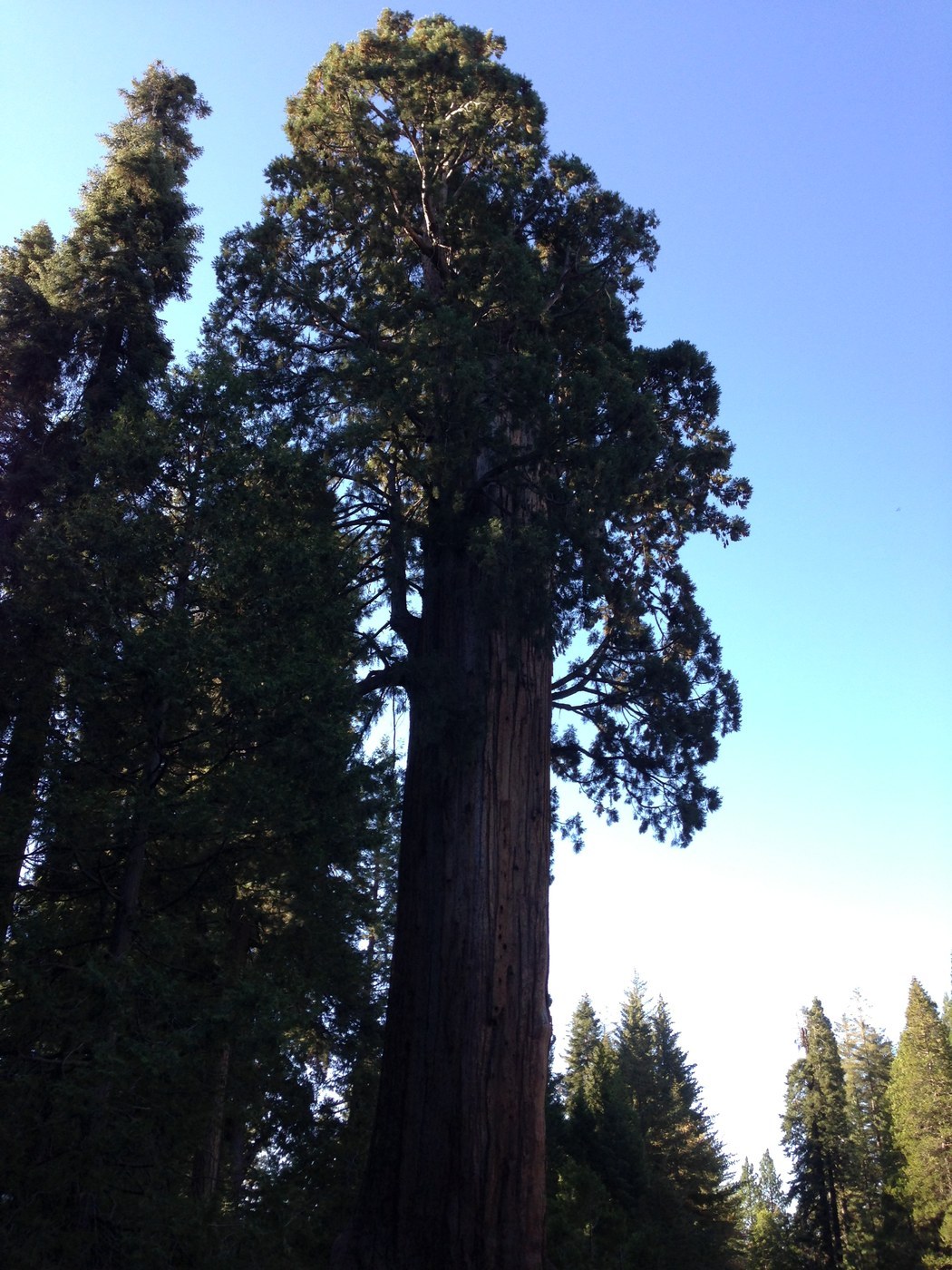
Giant Sequoia (Sequoiadendron giganteum) is one of the largest and longest-lived trees on Earth, a massive evergreen conifer with fibrous reddish-brown bark and dense blue-green scale-like foliage. In cultivation it grows surprisingly fast when young and makes a magnificent, if enormous, long-term specimen tree for large landscapes. It needs some care to establish, earning it a moderate difficulty rating.
Light
Giant Sequoia demands full sun for strong, healthy, well-formed growth. Give it an open position with at least six hours of direct sun daily and plenty of room to develop its broad conical crown. Shade produces weak, sparse growth. Its ultimate size makes it unsuitable for small gardens, so plan for a large, sunny, unobstructed site.
Water
Water is moderate but consistent. Young sequoias need regular deep watering to keep the root zone evenly moist while they establish, and they are less drought-tolerant than many conifers, especially in their early years. Water deeply during dry spells rather than lightly and often. Once well established with an extensive root system, it copes better with dry periods, but it never likes prolonged drought. Ensure the soil drains freely to avoid standing water around the roots.
Soil & Potting
Plant in deep, fertile, well-drained soil with good moisture retention. It prefers slightly acidic to neutral conditions and grows best in a loamy soil enriched with organic matter. Avoid shallow, compacted, or permanently waterlogged sites. If growing a young tree in a container, use a large, deep, free-draining pot and acidic conifer mix, but plan to plant it out before it becomes root-bound.
Humidity & Temperature
Giant Sequoia is hardy and tolerates cold winters well once established, and it also handles summer heat provided it has adequate soil moisture. It performs best in climates with distinct seasons and reasonable atmospheric humidity, and it dislikes hot, arid conditions combined with drought. Provide steady moisture during hot, dry weather to reduce stress.
Feeding
Established trees in good soil need little feeding. Young trees benefit from a slow-release, slightly acidifying conifer fertilizer applied in early spring to support their rapid growth. Avoid feeding late in the season, which encourages soft growth prone to frost damage. A generous organic mulch over the root zone conserves moisture and feeds the tree slowly as it decomposes.
Propagation
Giant Sequoia is usually grown from seed, which benefits from a period of cold stratification before sowing in spring; germination can be slow and uneven. Semi-hardwood cuttings can be rooted under mist but are slow to strike. Seedlings grow quickly once they get going and are the most common way to raise new trees.
Repotting / Pruning
Container-grown young trees should be potted up regularly and planted into their permanent site while still relatively small. Little pruning is needed or desirable; the tree's natural form is its greatest asset. Remove only dead, damaged, or crossing branches, ideally in late winter. Avoid cutting the leading shoot, and do not attempt to control its size by pruning, as it is naturally an enormous tree.
Common Problems & Pests
Giant Sequoia is relatively pest-resistant, though young trees can suffer from fungal needle blight and canker diseases, especially where drainage is poor or air is stagnant. Drought stress is the most common serious problem, causing browning foliage and dieback. Ensure consistent moisture, good drainage, full sun, and adequate spacing to keep trees healthy. Winter cold and drying winds can scorch foliage on young, exposed trees.
Seasonal Care Tips
Plant in spring or early autumn to allow roots to establish before extreme weather. Water deeply and regularly through the first several summers and mulch well to retain moisture. Feed young trees in early spring only. Do any minor pruning in late winter. Give a deep soak before the ground freezes in cold regions, and shelter young specimens from harsh, drying winter winds until they are well established.
Frequently asked questions
How fast does a Giant Sequoia grow?
Surprisingly fast when young in good conditions, often adding a foot or two of height per year. Growth is most rapid with full sun, deep soil, and consistent moisture.
How much space does a Giant Sequoia need?
A great deal. It becomes one of the largest trees on Earth, so plant it only in a large, open landscape well away from buildings, power lines, and other trees.
Can I grow Giant Sequoia in a pot?
Only while it is young. Use a large, deep, free-draining container with acidic conifer mix, but plan to plant it into the ground before it becomes root-bound.
Why is my young sequoia's foliage turning brown?
The most common cause is drought stress or poor drainage. Water deeply and consistently, mulch the root zone, and make sure the soil is not waterlogged.
Does Giant Sequoia need full sun?
Yes. It requires at least six hours of direct sun daily for strong, dense, well-shaped growth. In shade it becomes weak and sparse.