Giant Sequoia
Sequoiadendron giganteum
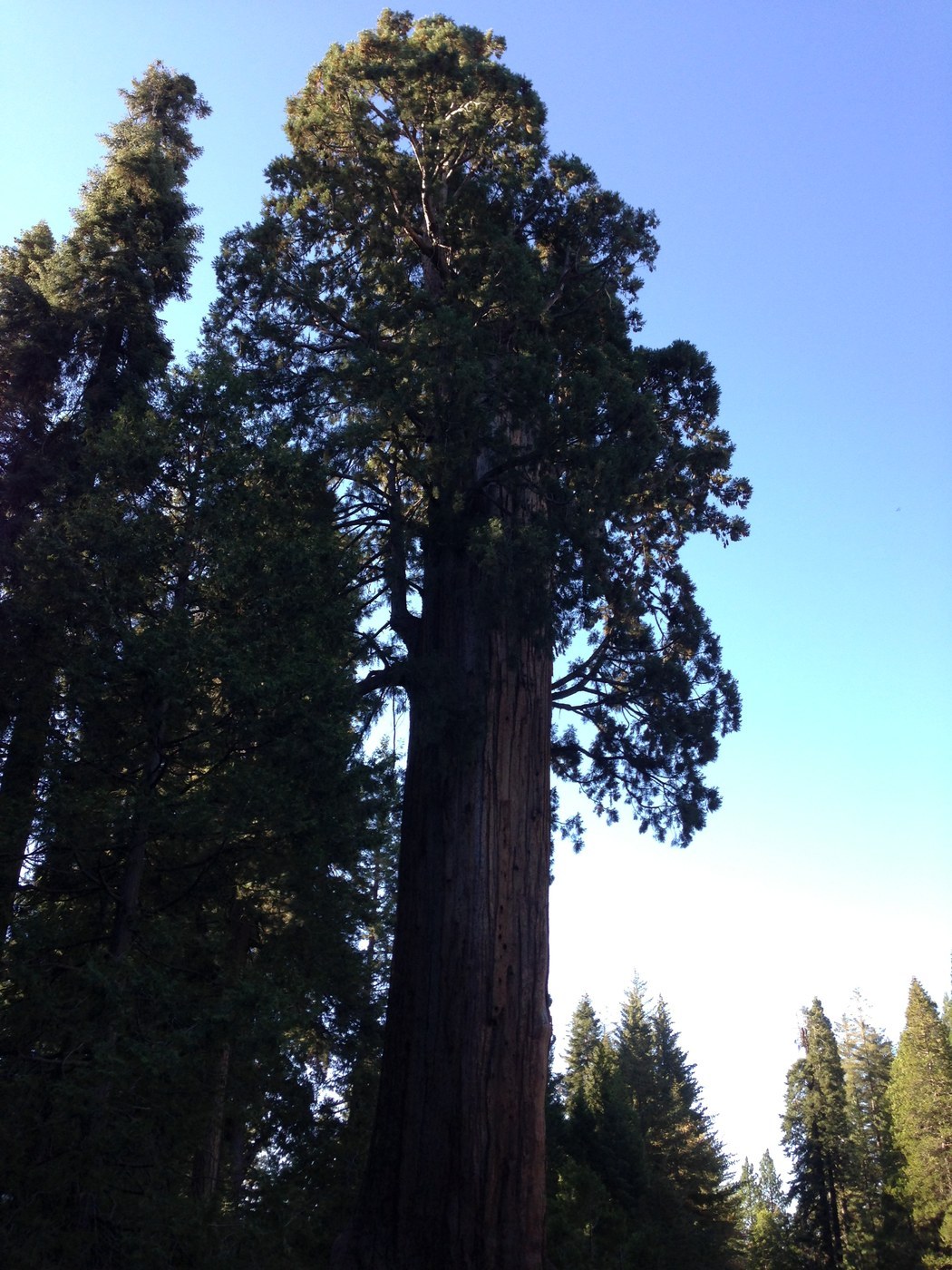
The giant sequoia is the most massive tree on Earth by volume, a colossal evergreen conifer of California's Sierra Nevada with fibrous reddish bark, scale-like foliage, and a lifespan of thousands of years.
- Light
- Full sun
- Water
- Moderate; consistent moisture
- Difficulty
- Moderate
Got a plant like this?
Identify any plant from a photo, free.
Overview
The giant sequoia (Sequoiadendron giganteum) is the largest tree on Earth by total volume and among the oldest living organisms, with some individuals exceeding 3,000 years of age. It is native only to scattered groves on the western slopes of California's Sierra Nevada.
The most famous specimen, General Sherman, is considered the largest single-stem tree in the world by volume.
These giants depend on periodic fire to open their cones and clear ground for seedlings, and their thick, spongy bark protects them from flames.
How to identify it
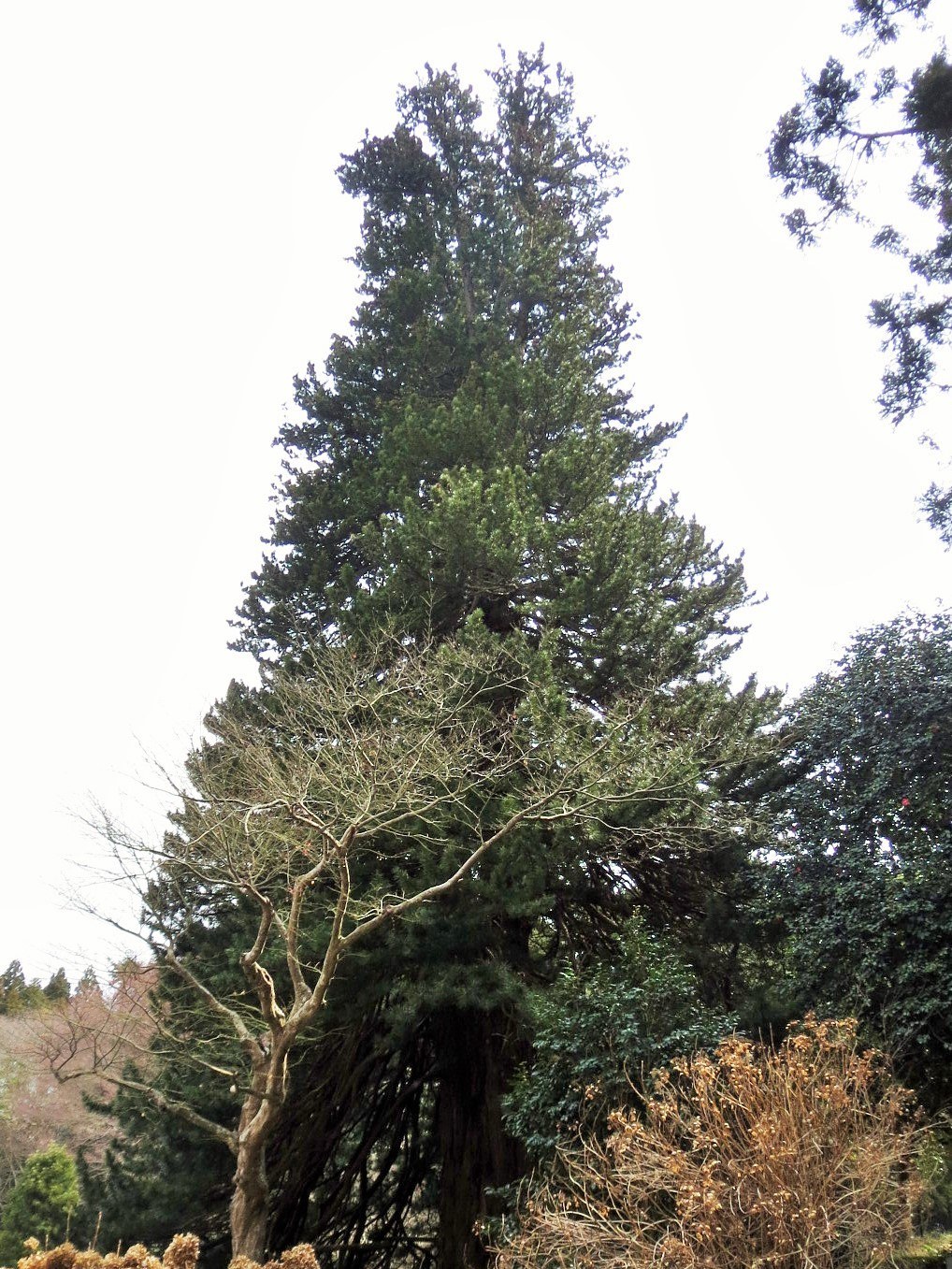
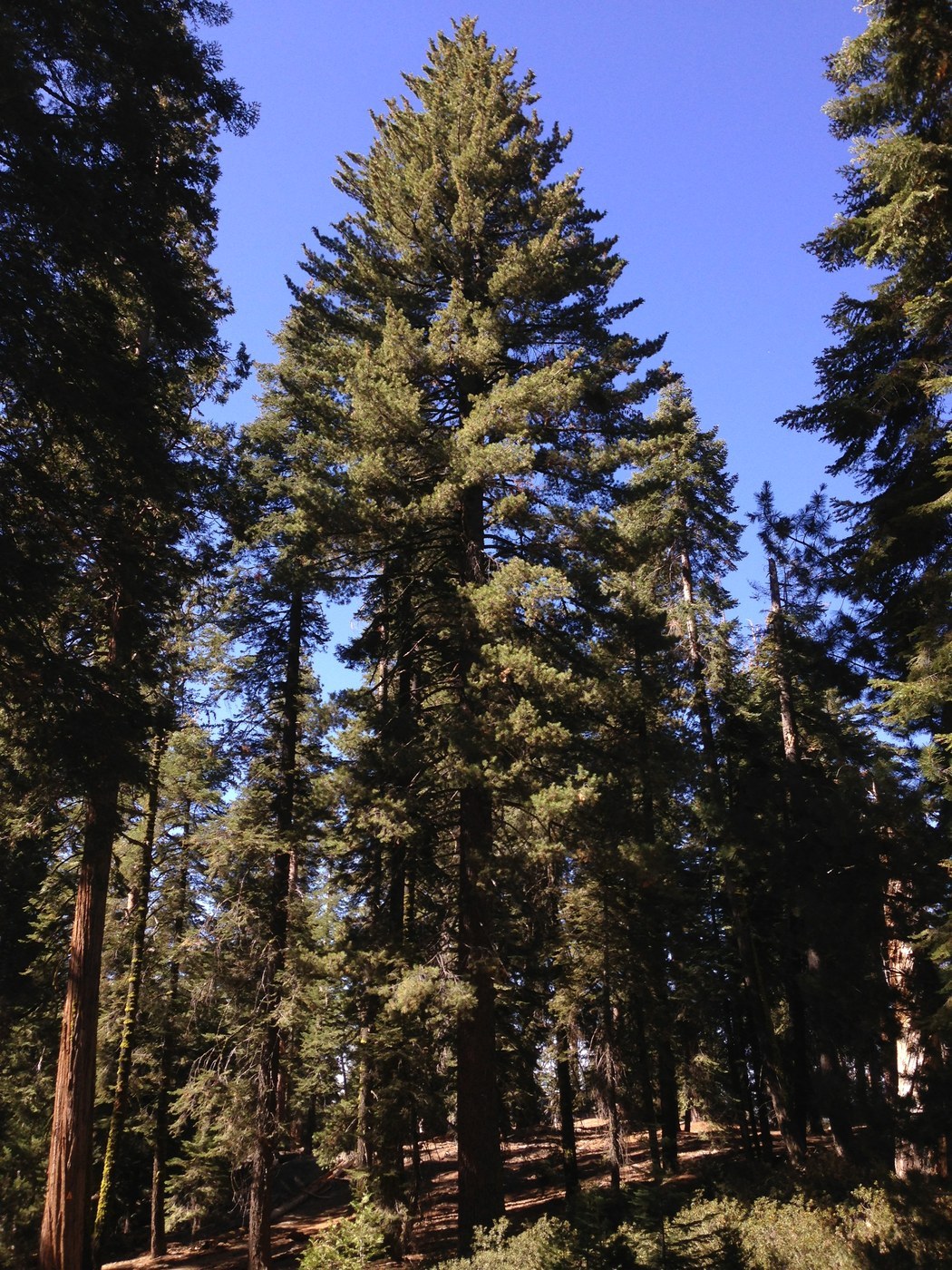
A colossal evergreen conifer with a massive, columnar trunk.
- Bark: thick (up to 60 cm), soft, fibrous, and reddish-brown, deeply furrowed
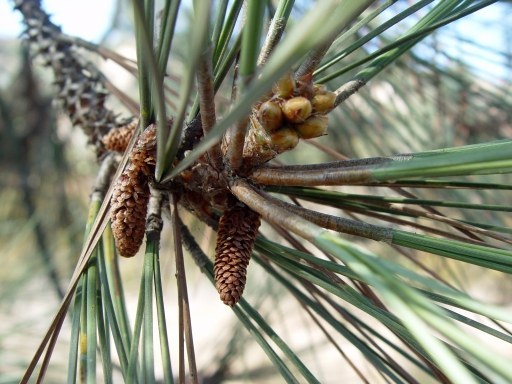
- Foliage: small, blue-green, awl- or scale-like needles that hug the twigs (not flat like coast redwood)
- Cones: egg-shaped, 4-7 cm, woody, taking about two years to mature and often remaining closed on the tree for years
- Habit: enormously thick trunk that tapers slowly; rounded crown; lower branches self-prune on old trees
- Size: up to 80-90 m tall and 8-11 m in trunk diameter
Care & growing
Grown widely as an ornamental where space and moisture allow.
- Light: full sun
- Water: needs consistent moisture, especially when young; deep but well-drained soil
- Soil: deep, fertile, well-drained loam; avoid waterlogged sites
- Temperature: hardier than its narrow native range suggests, growing in USDA zones 6-8
- Feeding: rarely needed in good soil
- Propagation: from seed (cones often need heat or fire to open) or cuttings
- Space: requires very large open areas; not suited to small gardens
Habitat & origin
Native to a limited number of groves on the western slopes of the Sierra Nevada in California, at elevations of about 1,400-2,150 m. It grows in a Mediterranean mountain climate with snowy winters and dry summers.
Many famous groves are protected in Sequoia, Kings Canyon, and Yosemite National Parks. Beyond its native range it is planted as an ornamental and specimen tree across temperate Europe, North America, and elsewhere.
Frequently asked questions
Is the giant sequoia the tallest tree in the world?
No — that's the coast redwood. The giant sequoia is the most massive tree by volume, with the bulkiest trunks, but it is not the tallest.
How old can giant sequoias get?
They are among the longest-lived organisms on Earth, with some individuals confirmed at over 3,000 years old.
How do they survive forest fires?
Their thick, fibrous bark insulates the living tissue from heat, and fire actually helps them reproduce by drying and opening cones and clearing ground for seedlings.
What's the difference between a giant sequoia and a coast redwood?
Giant sequoias are more massive with bulkier trunks and scale-like foliage, while coast redwoods are taller and slenderer with flat needles, growing near the Pacific coast.
Giant Sequoia guides
In-depth guides for identifying, growing, and caring for Giant Sequoia.
How to Care for Giant Sequoia
Grow the majestic Giant Sequoia (Sequoiadendron giganteum): full sun, consistent moisture, deep well-drained soil, and patient long-term care.
Giant Sequoia Identification Guide
Identify giant sequoia by its massive cinnamon-red fibrous bark, awl-shaped scale leaves, and small egg-shaped cones.