
How to Care for Ginkgo Biloba
Grow the ancient maidenhair tree Ginkgo biloba in full sun with well-drained soil for fan-shaped leaves and brilliant golden autumn color.
Read the full Ginkgo Biloba encyclopedia entry →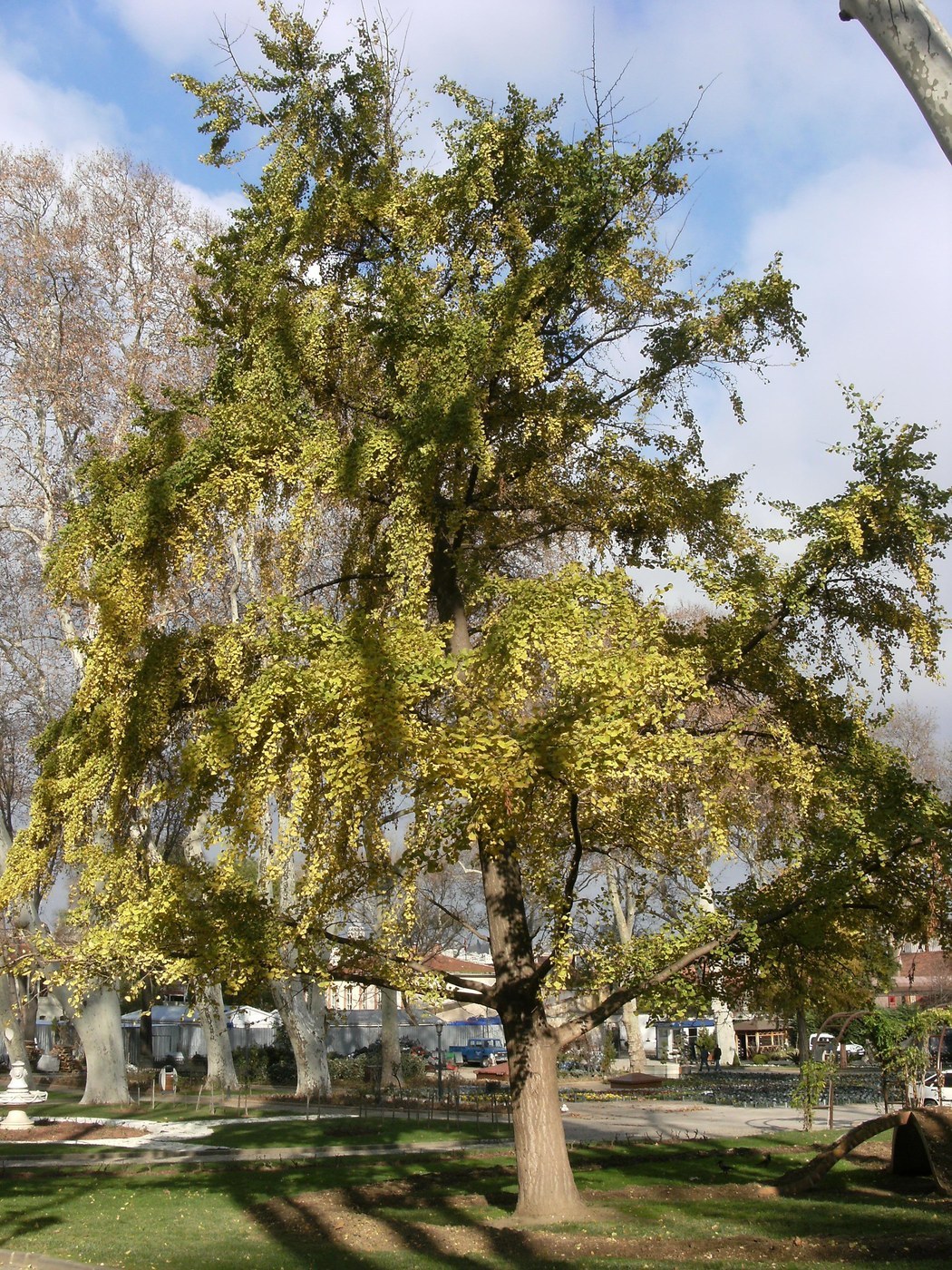
Ginkgo biloba, the maidenhair tree, is a living fossil prized for its unique fan-shaped leaves and spectacular clear-yellow autumn color. Remarkably tough and long-lived, it adapts to a wide range of conditions and makes an easy, rewarding landscape tree or trained bonsai.
Light
Ginkgo demands full sun, ideally six or more hours of direct light daily. Ample sun produces dense branching, sturdy growth, and the most vivid autumn color. It tolerates some light shade but grows more slowly and sparsely there. As a bonsai or container specimen, give it the sunniest position available.
Water
Water regularly and deeply while a young tree is establishing, keeping the root zone evenly moist through the first few growing seasons. Once established, Ginkgo is notably drought-tolerant and needs supplemental water only during prolonged dry spells. Container and bonsai specimens have limited soil volume and need more frequent watering, letting the surface dry slightly between soakings but never allowing the rootball to fully dry out in summer.
Soil & Potting
Ginkgo is highly adaptable to soil type, thriving in loam, sand, or clay as long as drainage is reasonable. It tolerates a broad pH range and even compacted urban soils. For containers or bonsai, use a free-draining mix such as an akadama-based bonsai soil or a loamy blend amended with grit. Good drainage prevents root problems in wet winters.
Humidity & Temperature
As a temperate deciduous tree, Ginkgo is very cold-hardy and handles a wide range of climates. It needs a genuine winter dormancy with cold to perform well, and requires no special humidity. It withstands heat, wind, and urban pollution better than most trees.
Feeding
Feed young and container-grown trees with a balanced fertilizer in spring as growth begins, tapering off by midsummer so new growth hardens before autumn. Established landscape trees rarely need feeding. Avoid heavy late-season nitrogen, which can push tender growth vulnerable to frost.
Propagation
Ginkgo is grown from seed, softwood or hardwood cuttings, and grafting for named cultivars. Seed requires a period of cold stratification to germinate. Cuttings taken in summer can be rooted with patience. Because sexual identity matters greatly to gardeners choosing this tree, many prefer grafted or cutting-grown male selections that avoid the messy fruit produced by female trees.
Repotting / Pruning
Ginkgo tolerates pruning well and can be shaped while dormant in late winter to establish a strong central leader and good structure. For bonsai, repot every two to three years in early spring before bud break, trimming the roots and refreshing the soil. Its slow, controlled growth makes it forgiving to train.
Common Problems & Pests
Ginkgo is famously pest- and disease-resistant, one of its greatest virtues as a landscape tree. Problems are rare and usually cultural: waterlogged roots from poor drainage, or scorch on newly planted trees not yet established. Container specimens may show leaf tip browning if allowed to dry out. Otherwise it is one of the most trouble-free trees you can grow.
Seasonal Care Tips
Plant in autumn or early spring while dormant. Through spring and summer, water young trees regularly and feed early in the season. Enjoy the signature golden foliage in autumn, when leaves often drop dramatically over just a day or two. In winter the bare tree needs no attention beyond structural pruning of landscape specimens or protection of small container rootballs from hard freezes.
Frequently asked questions
How fast does a Ginkgo tree grow?
Ginkgo is slow to moderate, often adding 30 to 60 cm a year when young. It is long-lived and worth the patience, developing into a stately tree over decades.
Can I grow Ginkgo biloba as a bonsai?
Yes. Ginkgo makes an excellent bonsai, valued for its fan-shaped leaves and golden autumn color. Give it full sun, a free-draining mix, regular summer water, and repot every two to three years in early spring.
Why do people prefer male Ginkgo trees?
Female trees produce fleshy seed coverings that fall and create a slippery, foul-smelling mess. Male grafted or cutting-grown cultivars avoid this, which is why they dominate street and garden plantings.
Does Ginkgo need full sun?
Yes, for best results. Six or more hours of direct sun gives dense growth and the brightest yellow fall color. It survives light shade but grows more sparsely.