
How to Care for Ginkgo
The Ginkgo is a tough, long-lived shade tree with fan-shaped leaves and brilliant golden fall color; grow it in full sun with room to spread.
Read the full Ginkgo encyclopedia entry →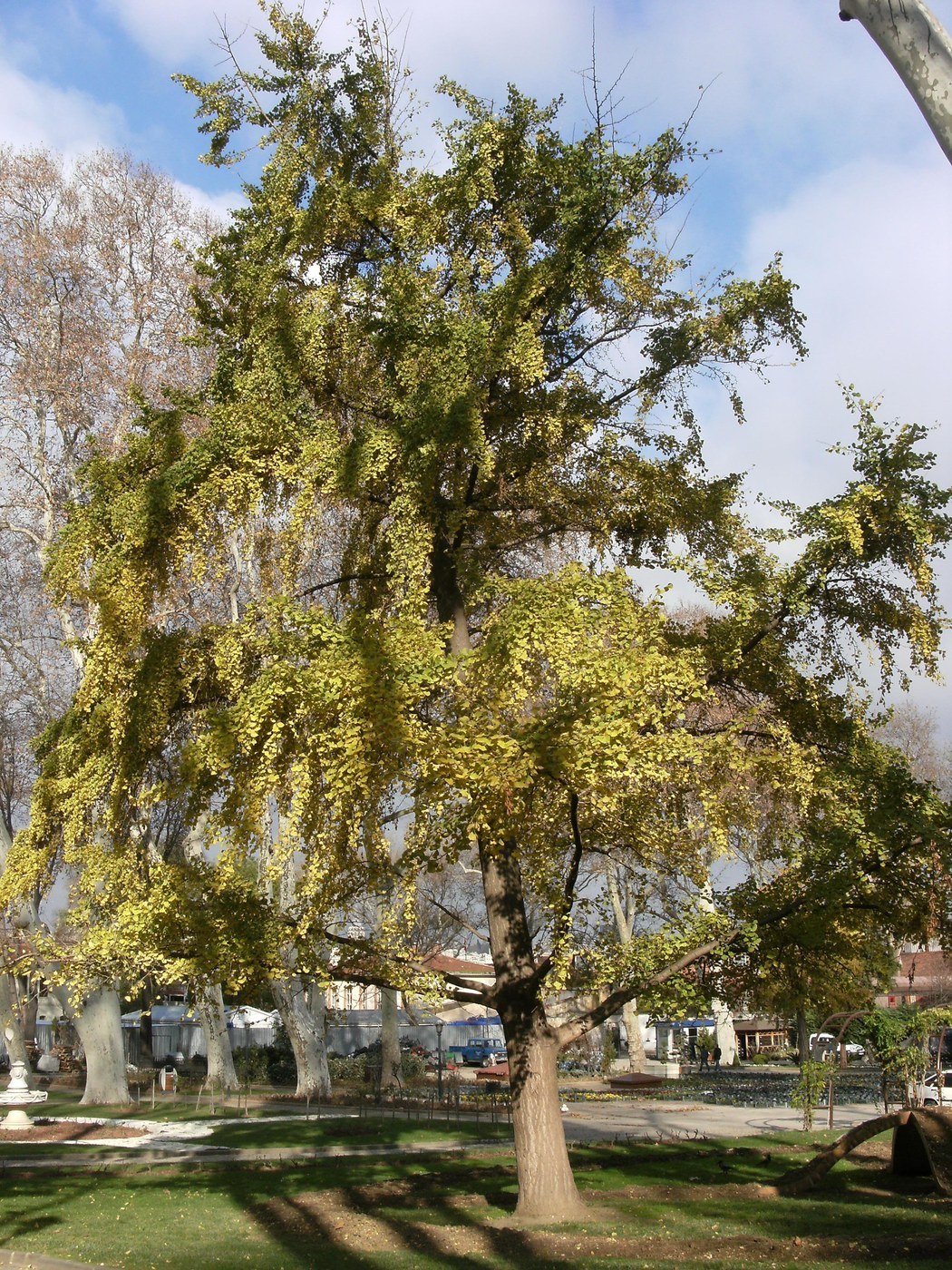
The Ginkgo (Ginkgo biloba), or maidenhair tree, is a living-fossil deciduous tree famed for its distinctive fan-shaped leaves that turn a spectacular uniform gold in autumn. Extraordinarily tough, pollution-resistant, and long-lived, it is an easy, forgiving landscape tree once established.
Light
Ginkgo thrives in full sun, wanting at least six hours of direct light daily for the strongest structure and most vivid fall color. It tolerates a little light shade but grows fuller and more symmetrical in the open. Give young trees an unobstructed sunny position for best form.
Water
Water needs are moderate. Keep young, newly planted trees consistently and deeply watered through their first two or three growing seasons to build a robust root system. Once established, Ginkgo is notably drought-tolerant and needs supplemental water only during extended dry spells. Deep, infrequent soakings encourage deep rooting; avoid constant sogginess.
Soil & Potting
Ginkgo is highly adaptable and grows in a wide range of soils, including sandy, clay, compacted, and urban soils, and it handles a broad pH range. It prefers deep, moderately fertile, well-drained ground but tolerates poor conditions remarkably well. Excellent drought and pollution tolerance make it a classic street tree. For container culture while young, use a loamy, free-draining mix and a deep pot to accommodate the taproot.
Humidity & Temperature
A hardy temperate tree, Ginkgo withstands cold winters and hot summers across many climate zones, roughly USDA zones 3 through 8. It is unfussy about atmospheric humidity. Its toughness against heat, cold, wind, salt, and air pollution is a major reason for its popularity in tough urban sites.
Feeding
Ginkgo needs little feeding. A light application of balanced slow-release fertilizer in early spring can support young trees, but mature specimens generally require none, drawing well from most soils. Avoid heavy nitrogen, which promotes soft growth. A layer of organic mulch over the root zone gradually feeds the soil and conserves moisture.
Propagation
Ginkgo is propagated from seed or, more commonly for landscape use, from grafts and cuttings. Named male cultivars are grafted to guarantee sex, since female trees produce messy, foul-smelling fleshy seed coats; for this reason gardeners overwhelmingly plant male selections. Seeds require cleaning and a period of cold stratification, and seedlings grow slowly at first. Semi-hardwood cuttings can be rooted with patience.
Repotting / Pruning
Ginkgo naturally develops a strong, upright, well-spaced branch structure and needs little pruning. Remove dead, damaged, or crossing branches in late winter while dormant, and prune young trees lightly to establish a good central leader. It is slow-growing, so restraint is best. Container specimens should be repotted or root-pruned every couple of years; Ginkgo is also a favored bonsai subject that responds well to careful training.
Common Problems & Pests
One of Ginkgo's greatest virtues is its near-immunity to pests and diseases; it is seldom troubled by insects or fungal problems and shrugs off conditions that harm other trees. The main nuisance is the messy, strongly odorous fruit dropped by female trees, avoided by planting grafted male cultivars. Young trees may need staking and protection from lawnmower or string-trimmer damage. Its slow early growth simply requires patience.
Seasonal Care Tips
Plant in spring or fall. Water young trees regularly through their first summers and mulch to retain moisture. In autumn enjoy the brilliant golden foliage, which characteristically drops over a short window, often all at once. Do dormant-season pruning in late winter. Little winter protection is needed given the tree's exceptional hardiness.
Frequently asked questions
How fast does a Ginkgo tree grow?
Ginkgo is a slow to moderate grower, especially in its early years, often adding around a foot or so per year. It rewards patience, developing into a majestic, long-lived tree that can thrive for centuries.
Why do people plant male Ginkgo trees?
Female Ginkgo trees produce fleshy seed coats that are messy and give off a strong, unpleasant odor when they drop and decay. Gardeners plant grafted male cultivars to enjoy the beautiful foliage without that nuisance.
Is Ginkgo a good tree for city or street planting?
Excellent. Ginkgo is exceptionally tolerant of air pollution, compacted soil, road salt, heat, and drought, and it is nearly free of pests and diseases, making it one of the most reliable urban and street trees available.
When does a Ginkgo turn gold in fall?
Ginkgo foliage turns a uniform, brilliant golden yellow in autumn, typically in mid to late fall. The leaves are known for dropping over a very short period, sometimes nearly all at once, creating a golden carpet beneath the tree.