How to Care for Goji Berry
Goji Berry is a tough, sun-loving deciduous shrub that thrives in poor soil and shrugs off drought once established.
Read the full Goji Berry encyclopedia entry →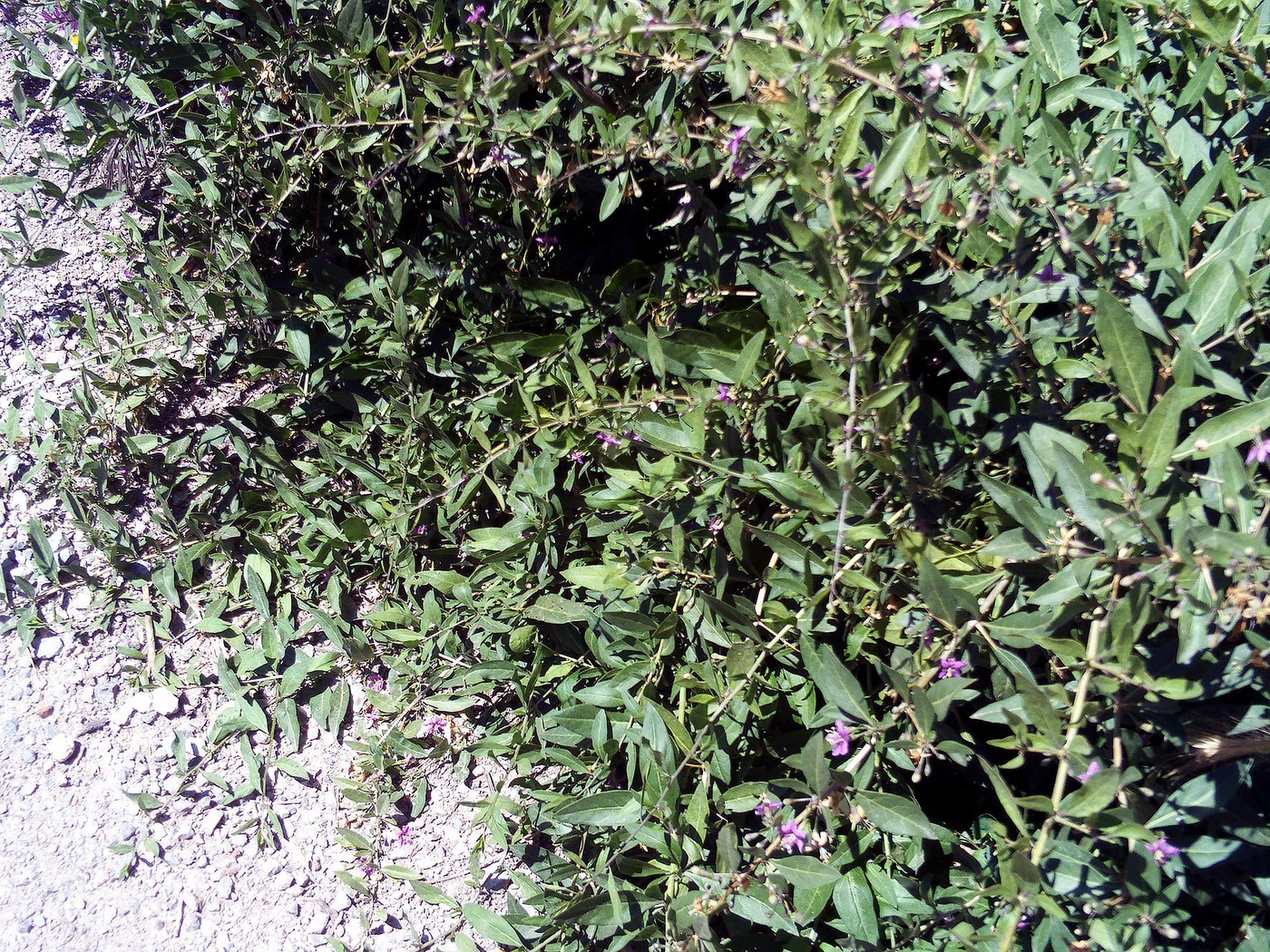
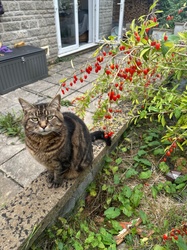
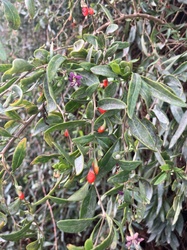
The Goji Berry (Lycium barbarum) is a vigorous, arching deciduous shrub grown as an ornamental for its slender gray stems, small lilac-purple flowers, and bright orange-red berries. It is remarkably easy, tolerating poor soil, wind, and drought once its deep roots are established.
Light
Grow Goji Berry in full sun. It flowers and fruits most heavily with at least six to eight hours of direct light daily. In too much shade the plant becomes leggy and produces little. An open, sunny position also promotes good airflow and healthy foliage.
Water
Water moderately. Young plants need regular watering through their first season to establish, but mature Goji Berries are notably drought-tolerant and dislike constantly wet feet. Aim for deep, occasional watering rather than frequent shallow soakings, letting the surface dry between waterings. Overwatering leads to weak growth and root problems.
Soil & Potting
Goji Berry is adaptable and grows in a wide range of soils, including poor, sandy, and alkaline ground, provided drainage is good. It even tolerates mildly saline soil. A neutral to slightly alkaline pH suits it well. For containers, use a free-draining, gritty potting mix and a large pot, since the plant is vigorous and deep-rooting.
Humidity & Temperature
This hardy shrub tolerates a broad range of temperatures, from hot summers to hard winter frosts, and is not fussy about humidity. Its natural resilience makes it suited to exposed, windy sites where more delicate shrubs struggle.
Feeding
Goji Berry needs little feeding and often performs well in lean soil. A light application of balanced fertilizer or compost in spring supports flowering and fruiting, but avoid over-feeding with nitrogen, which encourages lush foliage at the expense of berries. Container plants benefit from a modest slow-release feed once a year.
Propagation
Propagate from softwood or semi-hardwood cuttings taken in summer, which root readily, or from seed, though seed-grown plants are slower and more variable. Layering long, flexible stems by pinning them to the soil is another simple method. The plant also suckers and can be divided.
Repotting / Pruning
Goji Berry responds very well to pruning, which keeps its sprawling habit tidy and improves fruiting. Prune in late winter while dormant, removing weak, crossing, and overcrowded stems and shortening long shoots. Fruit forms on the current season's growth and on short lateral spurs, so an open, well-structured framework is ideal. Repot container plants every couple of years into fresh mix and a larger pot.
Common Problems & Pests
Goji Berry is generally trouble-free but can attract aphids and, in some regions, spider mites in hot dry spells; treat with water sprays or horticultural controls. Powdery mildew may appear in humid, crowded conditions, so keep the plant open and airy. Poor fruiting is usually caused by too much shade or excess nitrogen.
Seasonal Care Tips
Plant in spring or autumn. Prune while dormant in late winter and feed lightly as growth resumes in spring. Water new plants through their first summer, then let established shrubs rely largely on rainfall. Support or trellis the long, arching canes if you want a tidier, more upright form.
Frequently asked questions
How much sun does a Goji Berry need?
Full sun, ideally six to eight hours a day. Ample light is essential for flowering and heavy fruiting; in shade the plant grows leggy and produces poorly.
Is Goji Berry drought-tolerant?
Yes. Once established its deep roots make it very drought-tolerant. Water young plants regularly, then switch to deep, occasional watering and avoid soggy soil.
When should I prune a Goji Berry?
Prune in late winter while dormant. Remove weak and crossing stems and shorten long shoots to keep an open framework, which improves both form and fruiting.
Can Goji Berry grow in a pot?
Yes, in a large, free-draining container with gritty mix. Prune to control its vigorous, arching habit and repot every couple of years into fresh soil.
Goji Berry identified by the community
Recent Goji Berry specimens identified with Plant Identifier.