Goji Berry
Lycium barbarum
A hardy, sprawling deciduous shrub in the nightshade family grown for its bright red-orange berries. It tolerates poor soils and drought and bears long, arching, thorny canes.
- Light
- Full sun
- Water
- Moderate; drought-tolerant once established
- Difficulty
- Easy
Got a plant like this?
Identify any plant from a photo, free.
Overview
Goji berry, also called wolfberry, is a rambling shrub native to Asia. Its small red-orange berries have made it widely grown and recognized around the world.
The plant is vigorous and adaptable, with long arching canes that can be trained on a trellis or left to form a dense hedge. It tolerates a wide range of conditions, including salty and alkaline soils.
How to identify it
Identifying features:
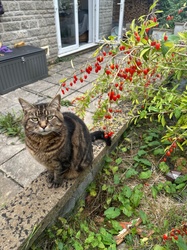
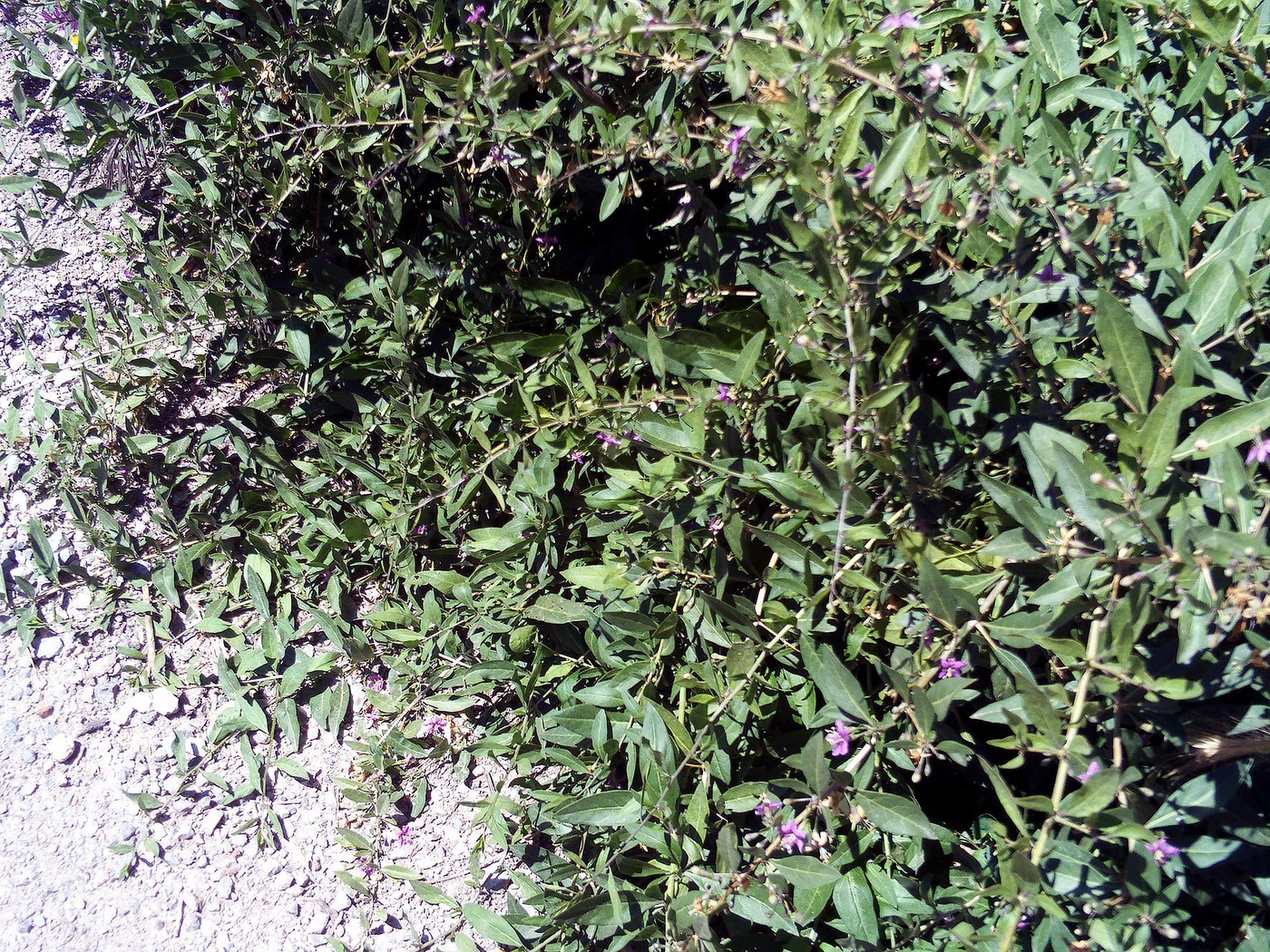
- Habit: Sprawling, thorny deciduous shrub with long, arching, vine-like canes reaching 1-3 m
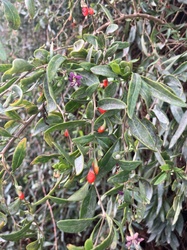
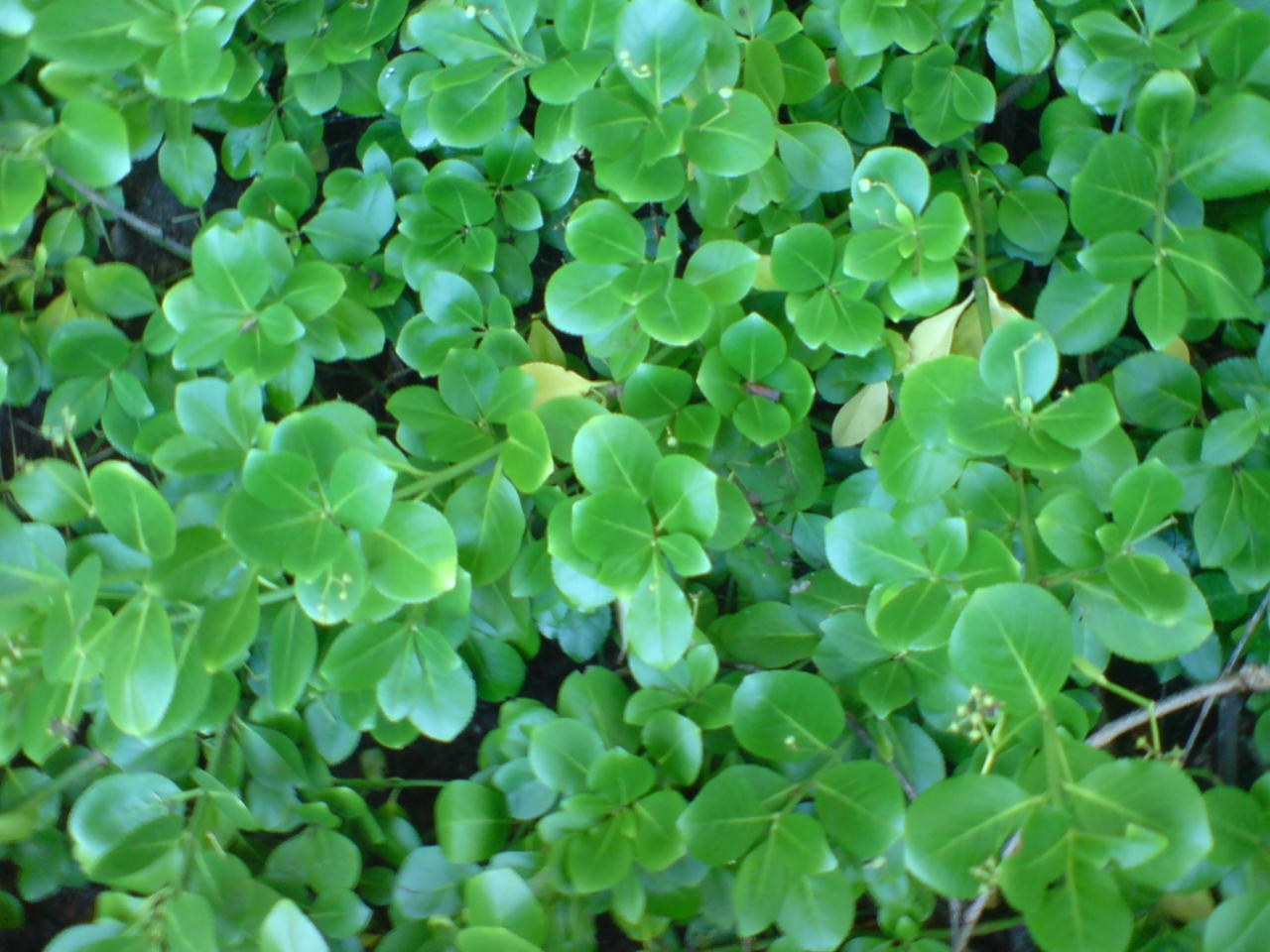
- Leaves: Narrow, gray-green, lance-shaped to oval, 3-7 cm, arranged alternately or in clusters
- Flowers: Small, purple to lavender, funnel-shaped, 1-2 cm, blooming through summer
- Fruit: Bright orange-red, oblong berries about 1-2 cm long
- Stems: Often bear small spines
Care & growing
Light: Full sun produces the best fruit set.
Water: Moderate watering while establishing; mature plants are quite drought-tolerant. Avoid soggy soil.
Soil: Adaptable; prefers well-drained soil with pH 6.5-8.0 and tolerates poor, sandy, or saline soils.
Temperature: Very cold-hardy, surviving to USDA zone 5; also heat- and drought-tolerant.
Feeding: Light feeding; too much nitrogen favors foliage over fruit.
Propagation: Grown from seed, softwood cuttings, or root suckers. Prune to control its vigorous spread and encourage fruiting wood.
Habitat & origin
Goji berry is native to China and other parts of Asia, particularly the Ningxia region, which is renowned for commercial production. Lycium barbarum and the related Lycium chinense grow wild on hillsides and along riverbanks.
It is now cultivated and naturalized in temperate regions worldwide, valued for its resilience in marginal soils and varied climates.
Frequently asked questions
How long until goji berry plants produce fruit?
Plants usually begin bearing in their second year and reach full production by years 3-5.
Are goji berries the same as wolfberries?
Yes. 'Goji berry' and 'wolfberry' are common names for the same plant, Lycium barbarum (and closely related Lycium chinense).
Can I grow goji berry in a container?
Yes, in a large pot with good drainage and full sun, though pruning is needed to manage its vigorous, arching growth.
Is the goji plant invasive?
It can spread aggressively by suckers and self-seeding in favorable conditions, so site it where its spread can be controlled.
Goji Berry guides
In-depth guides for identifying, growing, and caring for Goji Berry.
How to Care for Goji Berry
Goji Berry is a tough, sun-loving deciduous shrub that thrives in poor soil and shrugs off drought once established.
Goji Berry Identification Guide
Identify the goji berry (Lycium barbarum) by its arching thorny stems, narrow leaves, purple star flowers, and bright red-orange ellipsoidal berries.
Goji Berry identified by the community
Real specimens identified with Plant Identifier.