How to Care for Goldenrod
Grow Goldenrod (Solidago canadensis) for reliable late-summer gold. A tough, sun-loving native perennial that thrives on neglect and poor soil.
Read the full Goldenrod encyclopedia entry →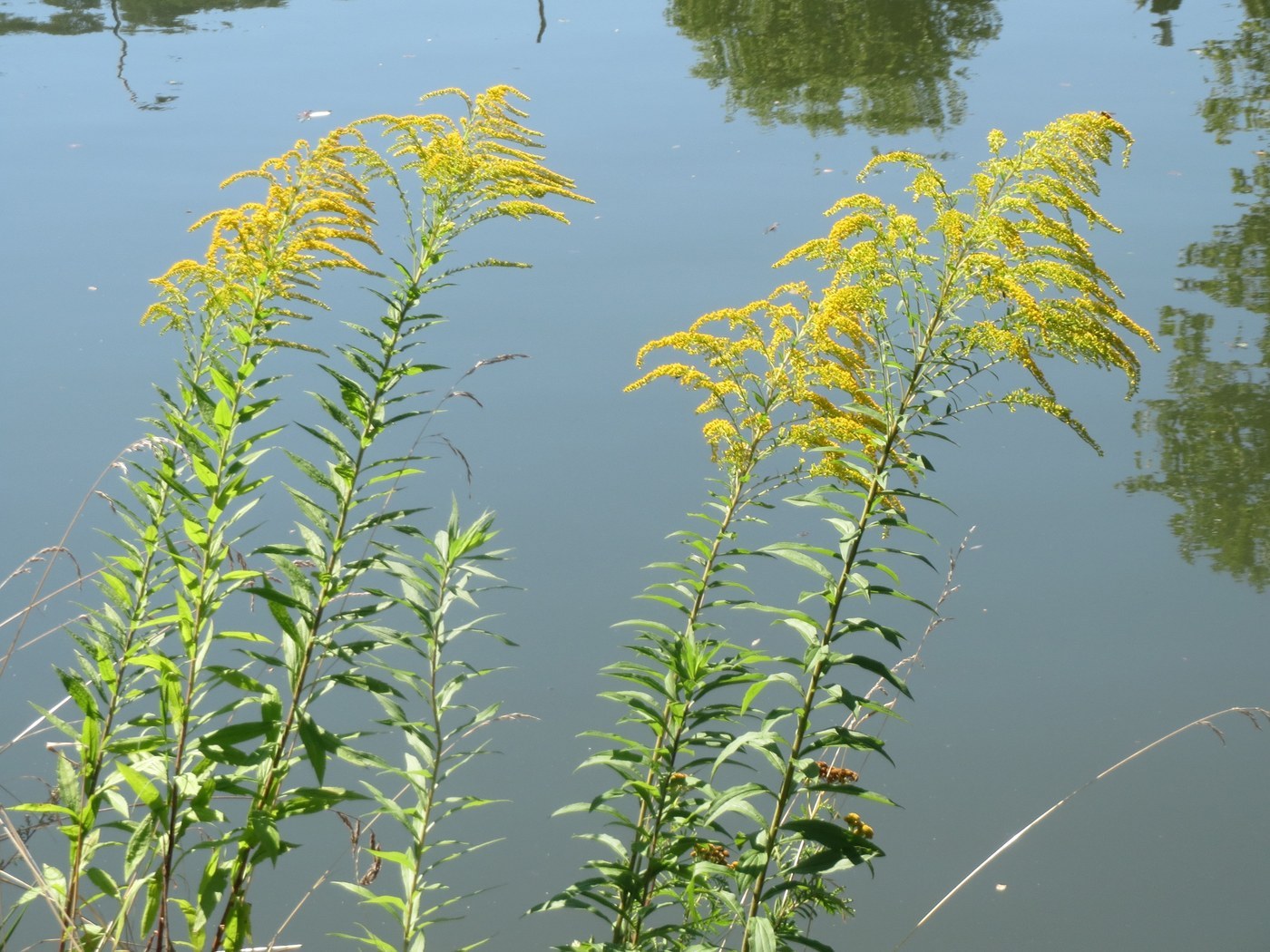
Goldenrod (Solidago canadensis) is one of the easiest hardy perennials you can grow, rewarding full sun and lean soil with towering plumes of tiny golden flowers from late summer into fall. It spreads readily, so give it room and it will color your border for years.
Light
Goldenrod demands full sun for the sturdiest stems and most abundant bloom. Aim for at least six to eight hours of direct light daily. In too much shade the plants stretch, flop, and flower sparsely, so choose your sunniest spot.
Water
Water is low to moderate. Keep young plants evenly moist through their first season while roots establish, then let mature clumps fend largely for themselves. Goldenrod is markedly drought tolerant once settled and dislikes soggy ground; water only during prolonged dry spells.
Soil & Potting
Average to poor, well-drained soil is ideal. Rich, fertile ground produces lush, floppy growth that needs staking, so lean, sandy, or rocky soils actually make better plants. It tolerates a wide pH range. If growing in containers, use a gritty, free-draining mix and a deep pot to accommodate the vigorous roots.
Humidity & Temperature
Goldenrod is fully hardy and unfussy about humidity, thriving across a broad temperature range. It handles hot summers and cold winters alike, dying back to the ground with frost and re-emerging in spring. No special protection is needed in most temperate climates.
Feeding
This is a plant that prefers to go hungry. Skip fertilizer entirely, or apply only a very light topdressing of compost in spring. Feeding encourages weak, over-tall stems that lodge. Lean conditions give the strongest, most self-supporting growth.
Propagation
Division is the simplest method: lift established clumps in early spring or fall, split the crown with a spade, and replant divisions. Goldenrod also grows readily from seed sown in fall, and softwood stem cuttings taken in early summer will root in moist media.
Repotting / Pruning
Cut spent stems to the ground in late fall or early spring for a tidy start. To keep plants shorter and bushier, pinch or cut stems back by a third in early summer before flower buds form. Divide crowded clumps every three to four years to control spread and maintain vigor.
Common Problems & Pests
Goldenrod is remarkably trouble-free. Powdery mildew and rust can appear on crowded, poorly ventilated plants; improve spacing and airflow to prevent it. Occasional aphids or leaf beetles may gather but rarely cause serious harm. The biggest management issue is its enthusiastic spreading by rhizome and seed.
Seasonal Care Tips
In spring, cut back old stems and divide if needed. In early summer, pinch for bushier growth and stake tall types if your soil is rich. Through summer, water only in drought. In fall, enjoy the peak bloom, then leave seed heads standing for winter interest or cut them if you want to limit self-seeding.
Frequently asked questions
Does goldenrod need staking?
In lean, sandy soil the stems usually stand on their own. It's rich soil and shade that cause flopping, so plant it in poor ground and full sun, and pinch stems back in early summer for extra sturdiness.
Why is my goldenrod spreading everywhere?
Solidago canadensis spreads aggressively by underground rhizomes and self-sown seed. Divide clumps every few years, remove unwanted shoots, and cut off seed heads before they ripen to keep it in bounds.
When does goldenrod bloom?
It flowers from late summer into autumn, providing color when many other perennials have finished. The golden plumes last several weeks.
Can I grow goldenrod in a container?
Yes. Use a deep pot with gritty, free-draining soil, site it in full sun, and water only when the mix dries. Divide it every couple of years since it fills a pot quickly.
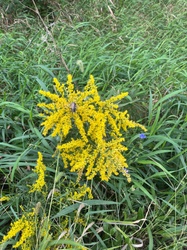
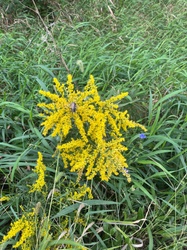
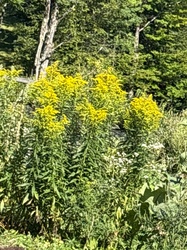
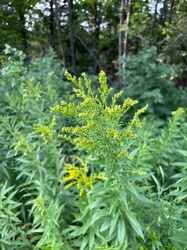
Goldenrod identified by the community
Recent Goldenrod specimens identified with Plant Identifier.