
How to Care for Goldenseal
Growing guide for goldenseal (Hydrastis canadensis), a shade-loving woodland perennial for cool, moist gardens.
Read the full Goldenseal encyclopedia entry →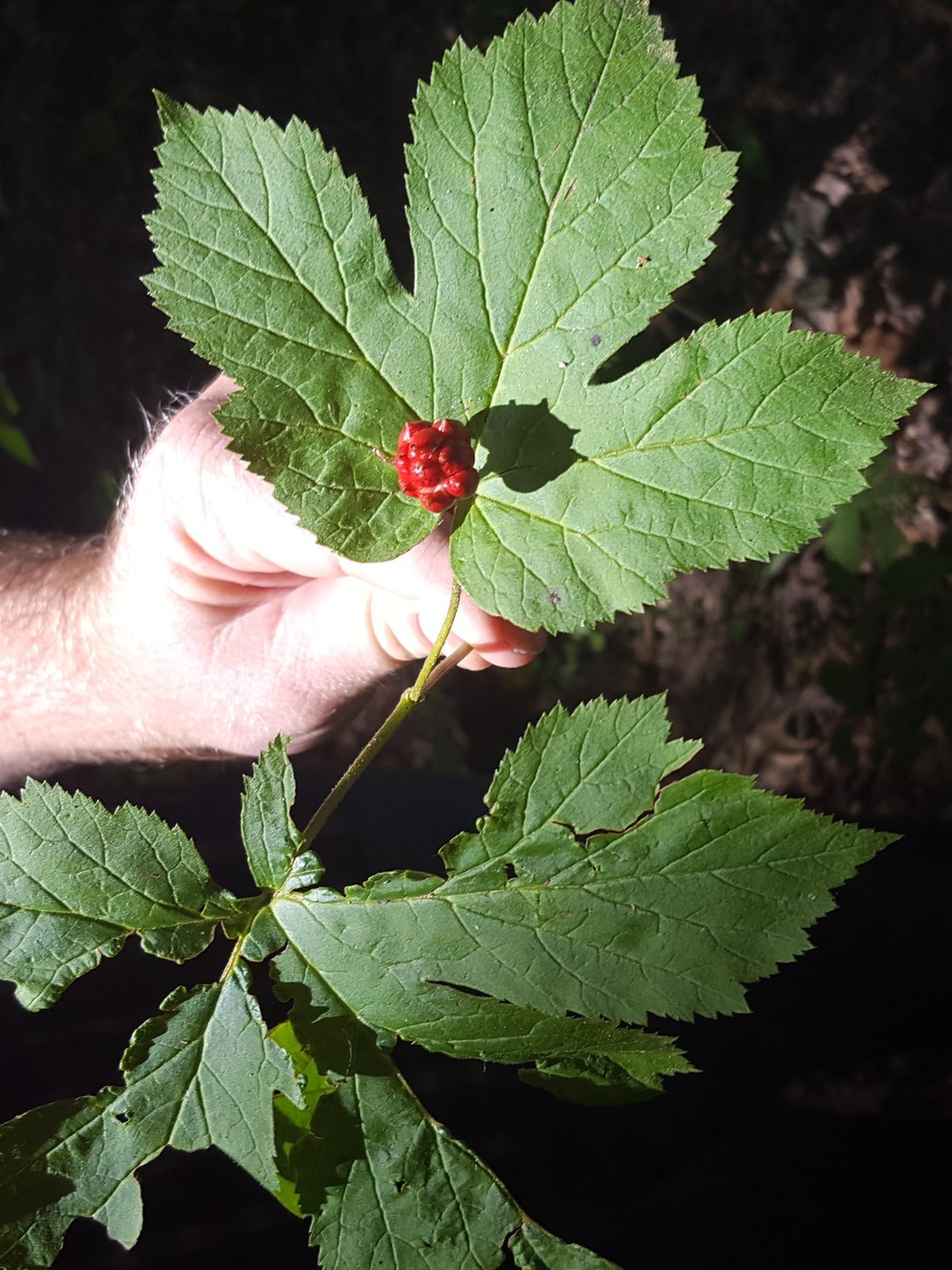
Goldenseal (Hydrastis canadensis) is a slow-growing woodland perennial native to the shaded forest floors of eastern North America. It is prized as a shade-garden groundcover with distinctive lobed leaves, though its exacting demand for cool, moist, humus-rich shade makes it a challenging plant to establish.
Light
Goldenseal requires deep to partial shade, mimicking the dappled light of a forest understory. It cannot tolerate direct sun, which scorches its leaves. A north-facing site or the shaded ground beneath deciduous trees, receiving roughly 70-80% shade, is ideal.
Water
Keep the soil evenly moist at all times but never waterlogged. Goldenseal is a woodland plant accustomed to consistently damp, spongy leaf litter, and it suffers quickly if the soil dries out. Water regularly during dry spells and mulch heavily to lock in moisture.
Soil & Potting
Provide a rich, loose, deeply humusy soil high in organic matter, with a slightly acidic to neutral pH. Emulate the forest floor by working in generous leaf mold and compost. Excellent drainage combined with high moisture retention is key, so a friable woodland loam is best.
Humidity & Temperature
Goldenseal favors the cool, humid conditions of temperate woodlands (roughly USDA zones 3-8) and needs a cold winter dormancy to thrive. It dislikes heat and dry air; a shaded, sheltered microclimate that stays cool and moist through summer suits it best.
Feeding
Heavy feeding is unnecessary and can be counterproductive. Instead of chemical fertilizers, topdress annually with leaf mold or well-rotted compost to replenish organic matter, replicating the natural nutrient cycle of falling forest leaves. This gentle approach keeps the slow-growing rhizomes healthy.
Propagation
Propagate primarily by dividing the yellow rhizomes in fall as the plant goes dormant. Cut the rhizome into sections, each with a bud or fibrous roots, and replant in prepared woodland soil. It can also be grown from seed, but germination is slow and erratic, often taking two years, so division is far more reliable.
Repotting / Pruning
Goldenseal is best grown as a permanent woodland groundcover and rarely needs pruning beyond removing spent foliage. If cultivated in containers, use a deep pot with rich mix and refresh the soil each year. Divide congested rhizome clumps every few years in fall to maintain vigor.
Common Problems & Pests
The most common failures stem from too much sun, dry soil, or poor organic content, all of which cause weak, scorched, or stunted plants. In wet, poorly drained conditions the rhizomes are prone to fungal rot and blights such as botrytis. Slugs and snails may nibble tender new leaves in the damp shade it favors.
Seasonal Care Tips
Expect leaves and modest spring flowers to emerge in early spring, followed by a red berry cluster by summer. Keep soil moist through the growing season and maintain a thick leaf-litter mulch. The plant dies back and goes fully dormant in winter, so divide or plant rhizomes in fall, and simply top up the mulch to protect the dormant roots.
Frequently asked questions
How much shade does goldenseal need?
A lot. Goldenseal needs deep to partial shade, around 70 to 80 percent, mimicking a forest understory. Direct sun scorches its leaves.
Why is goldenseal considered hard to grow?
It has exacting needs: constant moisture, deep shade, cool temperatures, and a rich humusy woodland soil. It is also very slow-growing and slow to establish.
How do I propagate goldenseal?
The most reliable method is dividing the yellow rhizomes in fall, replanting sections that each have a bud or roots. Seed is possible but slow and erratic.
What kind of soil does goldenseal need?
A rich, loose, deeply humusy soil high in organic matter with a slightly acidic to neutral pH. Amend generously with leaf mold and compost to mimic the forest floor.