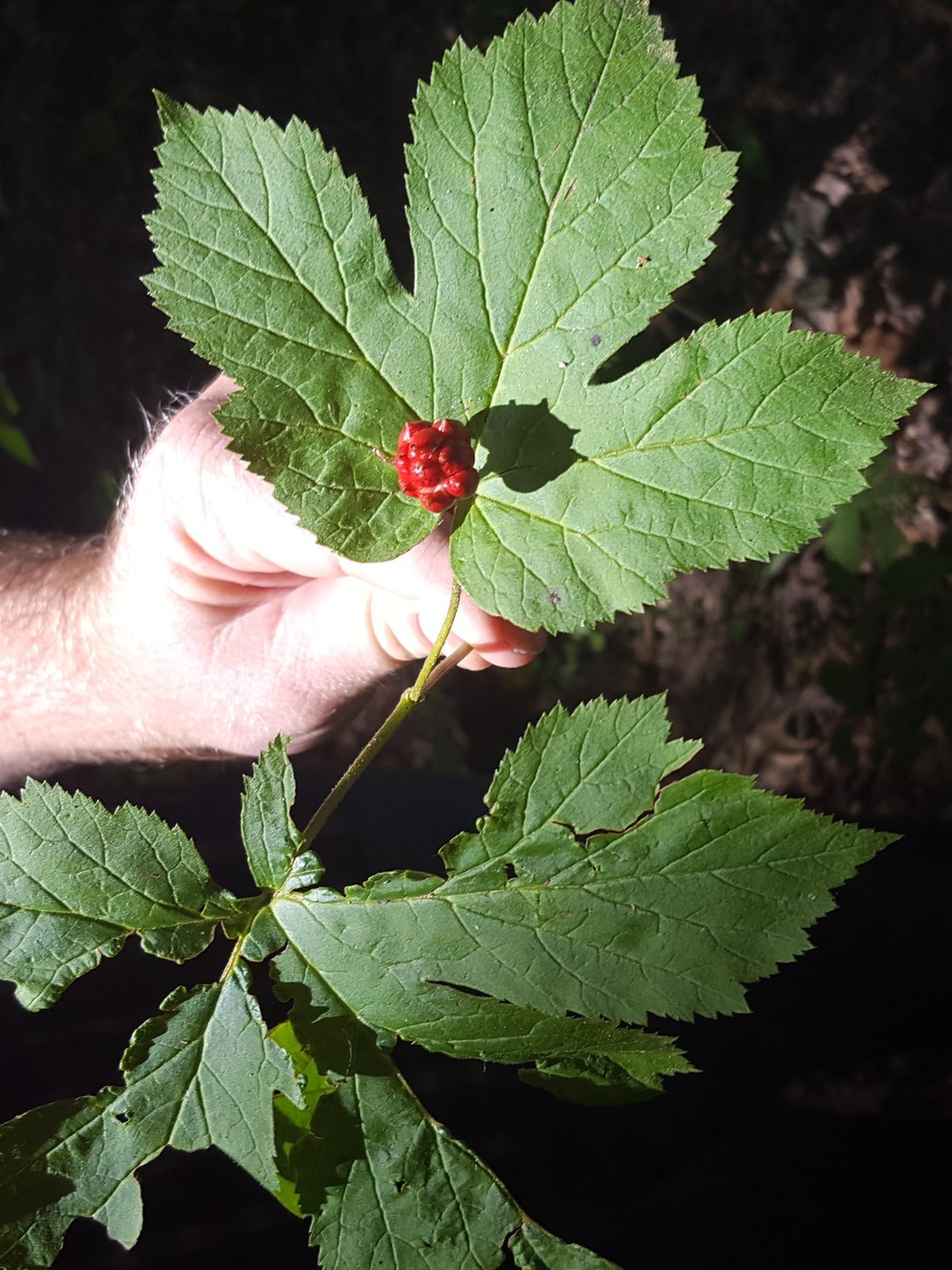
Goldenseal
Hydrastis canadensis
A shade-loving woodland perennial with a brilliant yellow root, now threatened by overharvesting from the wild. It is a sensitive plant requiring rich, moist forest conditions.
- Light
- Deep to partial shade
- Water
- Keep soil evenly moist
- Difficulty
- Hard
Got a plant like this?
Identify any plant from a photo, free.
Overview
Goldenseal is a low-growing perennial of the eastern North American forest floor, instantly recognized by its bright yellow, knotted rhizome. Its name comes from the golden color of the root and the seal-like scars left on it.
Heavily collected from the wild, goldenseal is now considered threatened and is listed under CITES. Cultivating it is challenging because it demands the cool, shaded, humus-rich conditions of a hardwood forest.
How to identify it
- A single hairy stem topped by two palmate, deeply lobed leaves with toothed edges
- Reaches only 15-30 cm (6-12 in) tall
- A single small greenish-white flower lacking true petals, blooming in spring
- Fruit is a cluster of bright red, raspberry-like berries
- Thick, knotty, intensely yellow rhizome
Care & growing
Goldenseal is demanding and mimics deep-woodland conditions.
- Light: Deep to partial shade (roughly 70-80% shade)
- Water: Consistently moist but never waterlogged
- Soil: Rich, well-drained, humus-heavy woodland loam with a thick leaf-litter layer
- Temperature: Cold-hardy; needs winter dormancy
- Feeding: Top-dress with leaf mold or compost rather than synthetic fertilizer
- Propagation: Usually by rhizome division; slow and patient process, with seed germination unreliable
Habitat & origin
Native to the rich deciduous forests of eastern North America, from southern Canada through the Appalachian region to the Ohio Valley and the southeastern United States.
It grows naturally in the dappled shade of mature hardwood forests with deep, moist, organic soils, and is increasingly grown in cultivated forest-farming plots to relieve wild collection.
Frequently asked questions
Why is goldenseal endangered?
Decades of intensive wild harvesting, combined with slow growth and habitat loss, have severely reduced wild populations.
Can I grow goldenseal at home?
Yes, but it is difficult. It needs deep shade, rich moist woodland soil, and several years of patience, making it best suited to forest-garden settings.
How do I recognize goldenseal?
Look for a single hairy stem bearing two deeply lobed, palmate leaves, a thick knotty bright-yellow rhizome, and in fruit a cluster of red, raspberry-like berries.
Goldenseal guides
In-depth guides for identifying, growing, and caring for Goldenseal.
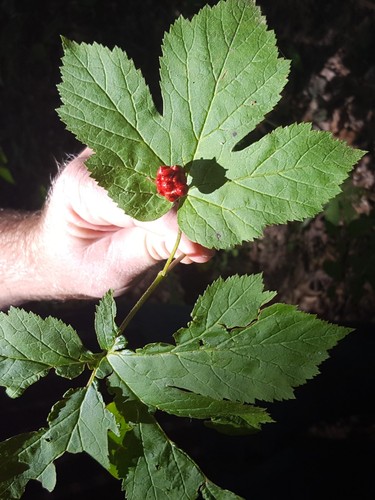
How to Care for Goldenseal
Growing guide for goldenseal (Hydrastis canadensis), a shade-loving woodland perennial for cool, moist gardens.
Goldenseal Identification Guide
How to identify goldenseal (Hydrastis canadensis) by its pair of palmate maple-like leaves, single greenish flower, and bright yellow rhizome.