
How to Care for Gooseberry
An easy, cool-climate deciduous shrub; give it sun to part shade, rich moist soil, and annual pruning for a healthy, well-shaped bush.
Read the full Gooseberry encyclopedia entry →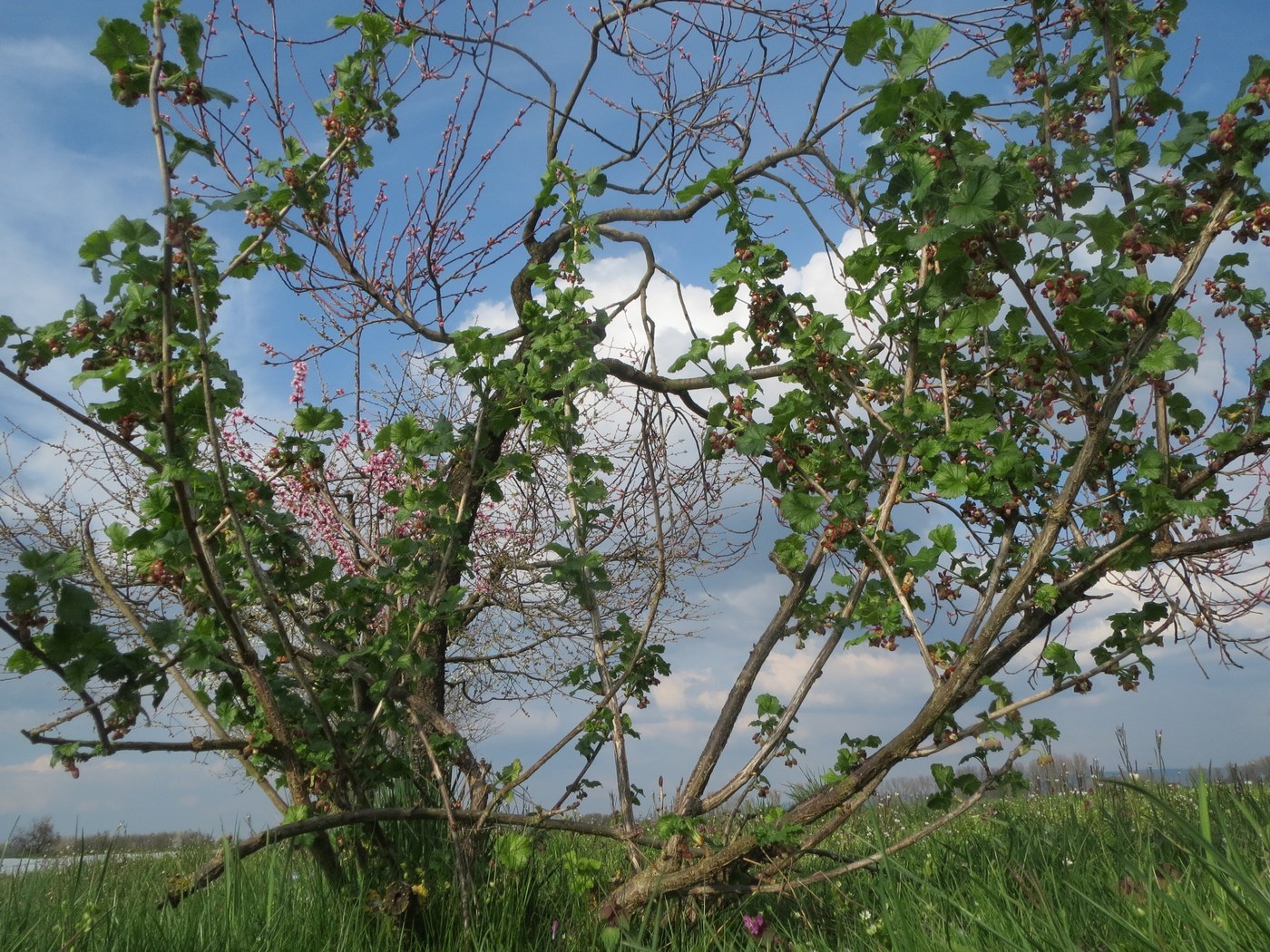
Gooseberry (Ribes uva-crispa) is a hardy, thorny deciduous shrub grown for its ornamental mounding form and clusters of translucent berries. Adapted to cool temperate climates, it is easy to grow, tolerant of partial shade, and long-lived when given rich soil and yearly pruning.
Light
Gooseberry grows in full sun to partial shade. Full sun gives the fullest, most productive bushes, but it is one of the more shade-tolerant fruiting shrubs and will do well with morning sun and afternoon shade. In hot climates some afternoon shade actually helps prevent leaf scorch and mildew stress.
Water
Keep the soil evenly moist, watering weekly during dry spells and more often in heat. Gooseberries have shallow roots and dislike drought, which stresses the plant and can cause leaf drop. Avoid waterlogging, though; the goal is steady, consistent moisture. A thick organic mulch is invaluable for holding soil water and keeping the roots cool.
Soil & Potting
Plant in deep, fertile, well-drained soil enriched with plenty of organic matter, ideally slightly acidic to neutral, around pH 6.0 to 6.8. Gooseberries tolerate heavier clay better than many fruiting shrubs as long as it does not stay soggy. In containers use a large, sturdy pot with a rich, moisture-retentive but free-draining mix.
Humidity & Temperature
A cool-climate shrub, gooseberry needs winter chill to grow and flower well and is hardy to roughly USDA zones 3 through 8. It thrives in cool, humid summers and struggles in prolonged heat and drought. Good airflow around the bush is important in humid conditions to reduce fungal disease.
Feeding
Feed in early spring with a balanced fertilizer and a generous top-dressing of compost or well-rotted manure around the base. Gooseberries appreciate potassium, so a fruit-oriented or potassium-rich feed supports healthy growth. Avoid excessive nitrogen, which encourages soft, disease-prone growth at the expense of a sturdy framework.
Propagation
Gooseberries root readily from hardwood cuttings taken in autumn from healthy one-year-old wood; insert them in a nursery bed or pot, removing lower buds to encourage a clear leg. Layering low branches into the soil also works well. Both methods produce plants true to the parent, and cuttings typically establish over the following season.
Repotting / Pruning
Prune annually in late winter while dormant. Maintain an open, goblet-shaped bush on a short clear leg to improve airflow and light penetration; remove crossing, low, dead, and older unproductive wood, keeping vigorous younger branches. This open structure is the single best defense against mildew. Repot container plants every 2 to 3 years into fresh mix.
Common Problems & Pests
American gooseberry mildew coats leaves and stems with white fungal growth; open pruning, good airflow, and resistant varieties help most. Gooseberry sawfly larvae can strip leaves rapidly in spring, so inspect the bush interior often and remove them. Leaf spot and aphids also occur. Birds are drawn to the ripening berries, so netting is often used.
Seasonal Care Tips
Mulch in spring after feeding to lock in moisture for summer. Water diligently through dry, warm spells to prevent stress. Watch closely for sawfly and mildew from spring into early summer. In winter, do the annual dormant pruning and clear fallen leaves from beneath the bush to reduce carryover of disease.
Frequently asked questions
Can gooseberries grow in shade?
Yes, gooseberries are among the more shade-tolerant fruiting shrubs and grow well in partial shade, though full sun gives the fullest bushes. In hot climates a little afternoon shade actually helps prevent leaf scorch and stress.
When and how should I prune a gooseberry bush?
Prune in late winter while dormant. Aim for an open, goblet-shaped bush on a short clear leg, removing crossing, dead, low, and older unproductive wood. This open structure improves airflow and is the best defense against mildew.
Why does my gooseberry have white powder on the leaves?
That is American gooseberry mildew, a common fungal problem. Improve airflow with open pruning and wider spacing, avoid excess nitrogen, keep the plant unstressed by watering evenly, and choose mildew-resistant varieties where possible.
How do I propagate gooseberries?
Take hardwood cuttings in autumn from healthy one-year-old wood, removing the lower buds, and root them in a nursery bed. Layering low branches into the soil also works well. Both give plants identical to the parent.