
How to Care for Grand Fir
Grow the towering, fragrant Grand Fir (Abies grandis): full sun to part shade, moist well-drained soil, and cool humid conditions.
Read the full Grand Fir encyclopedia entry →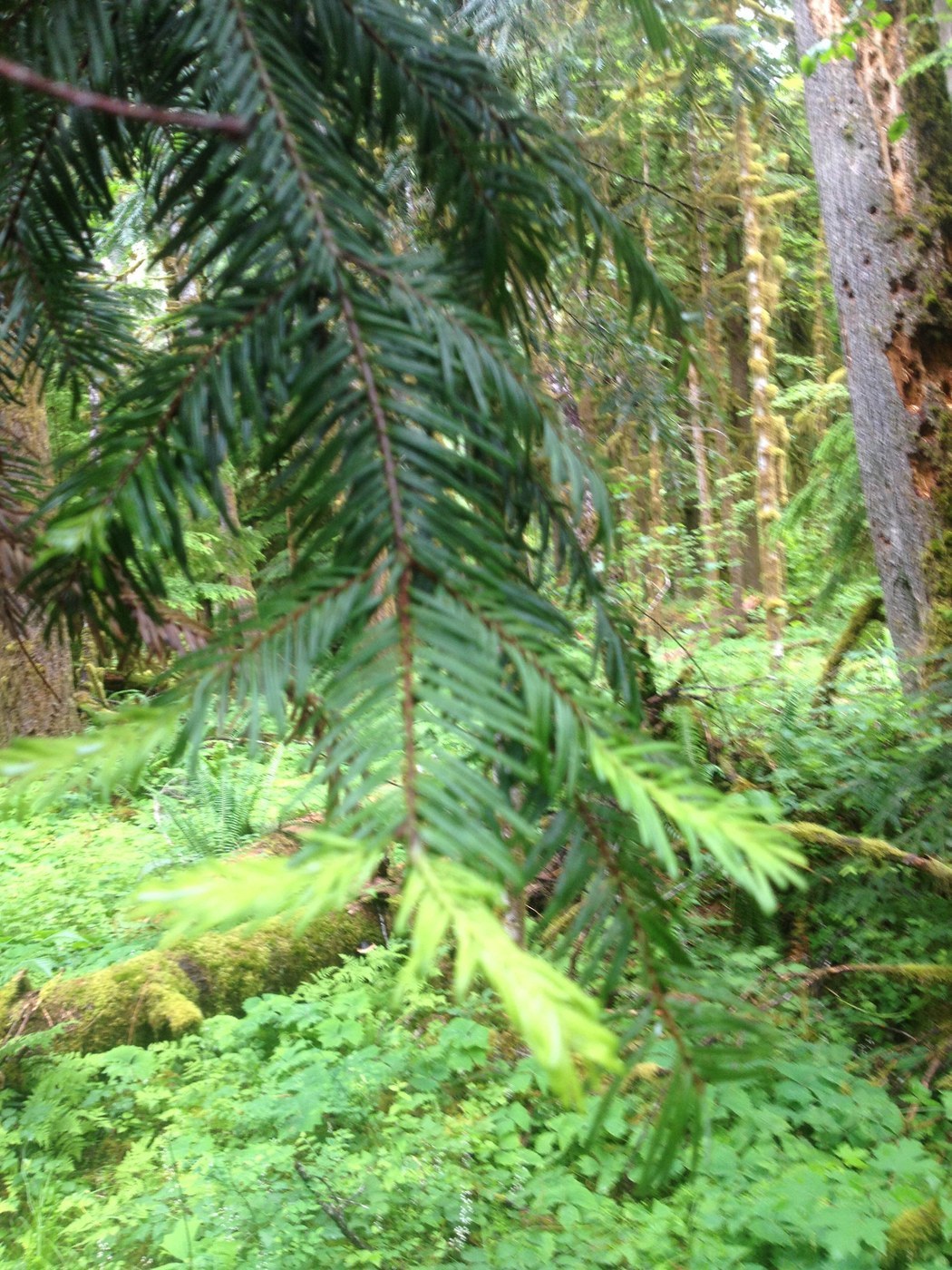
Grand Fir (Abies grandis) is a fast-growing Pacific Northwest conifer prized for its glossy, flat needles arranged in neat horizontal rows and its strongly aromatic foliage. It is a large landscape tree for cool, moist climates and rewards patient growers with a stately pyramidal form.
Light
Plant in full sun to part shade. Young seedlings tolerate and even appreciate light shade, especially in warmer or drier sites, but mature trees develop the densest, most symmetrical crowns with at least six hours of direct sun. In hot-summer regions, a bit of afternoon shade protects the foliage.
Water
Provide moderate, consistent moisture in well-drained soil. Grand Fir dislikes prolonged drought, so water deeply during dry spells for the first several years while roots establish. Once mature, it draws on deeper soil moisture but still performs best where summers are not baking. Avoid waterlogged ground, which invites root rot.
Soil & Potting
Grand Fir thrives in deep, fertile, moist but well-drained loams that are slightly acidic. It tolerates a range of soils including sandy and clay types as long as drainage is adequate. Incorporate organic matter at planting and mulch with 2 to 3 inches of bark or wood chips to keep roots cool and conserve moisture. Keep mulch pulled back from the trunk.
Humidity & Temperature
This is a cool-climate species adapted to the mild, humid maritime and montane conditions of the Pacific Northwest. It performs best in USDA zones 5 to 7 and resents hot, arid summers. Cool nights and ambient humidity suit it; hot dry wind can scorch needles.
Feeding
Grand Fir is not a heavy feeder. In poor soils, apply a balanced slow-release or acid-forming conifer fertilizer in early spring. On decent ground, an annual layer of organic mulch that breaks down over time supplies most of what the tree needs. Avoid heavy late-season nitrogen, which pushes tender growth vulnerable to frost.
Propagation
Propagation is usually from seed. Collect cones as they mature and extract seed, then give it a period of cold, moist stratification (roughly a month or more of refrigeration in damp medium) to break dormancy before sowing in a cool, well-drained seedbed. Germination can be uneven. Grafting is used for select cultivars; cuttings are difficult and rarely successful.
Repotting / Pruning
Grand Fir needs little pruning; its natural pyramidal form is one of its assets. Remove dead, damaged, or crossing branches in late winter. Avoid topping, which ruins the shape. If grown as a young potted specimen or for holiday use, transplant to a larger container or the landscape before it becomes root-bound, ideally in autumn or early spring.
Common Problems & Pests
Watch for aphids and adelgids, which can distort new growth, and spider mites in hot dry conditions. Balsam woolly adelgid can be a serious pest of true firs. Root rots (Phytophthora, Armillaria) develop in poorly drained or overwatered soils. Needle casts and rusts occasionally appear in wet springs. Good air circulation, proper drainage, and avoiding drought stress are the best defenses.
Seasonal Care Tips
Plant in autumn or early spring when soil is moist and cool. Water regularly through the first summers and mulch to buffer heat. In fall, ease back on supplemental water as the tree hardens off. Refresh mulch annually and inspect for pests as new growth flushes in spring.
Frequently asked questions
How big does Grand Fir get?
In favorable cool, moist climates it is one of the tallest firs, capable of exceeding 150 feet over many decades, so give it plenty of open room away from structures and power lines.
Can I grow Grand Fir in a hot climate?
It struggles in hot, dry summers. It is best suited to cool maritime and montane regions (roughly USDA zones 5 to 7); in warmer areas give it afternoon shade and steady moisture, though performance may still be poor.
Why are the needles turning brown?
Browning usually points to drought stress, hot dry wind, or root problems from waterlogged soil. Check drainage, water deeply during dry spells, and maintain a cooling layer of mulch.
Does Grand Fir need pruning?
Very little. Just remove dead or damaged branches in late winter and let the tree keep its natural pyramidal shape. Never top it.