
How to Care for Great Blue Lobelia
Grow Great Blue Lobelia for vivid late-summer blue spikes in moist soil and sun to part shade, with easy division and self-seeding.
Read the full Great Blue Lobelia encyclopedia entry →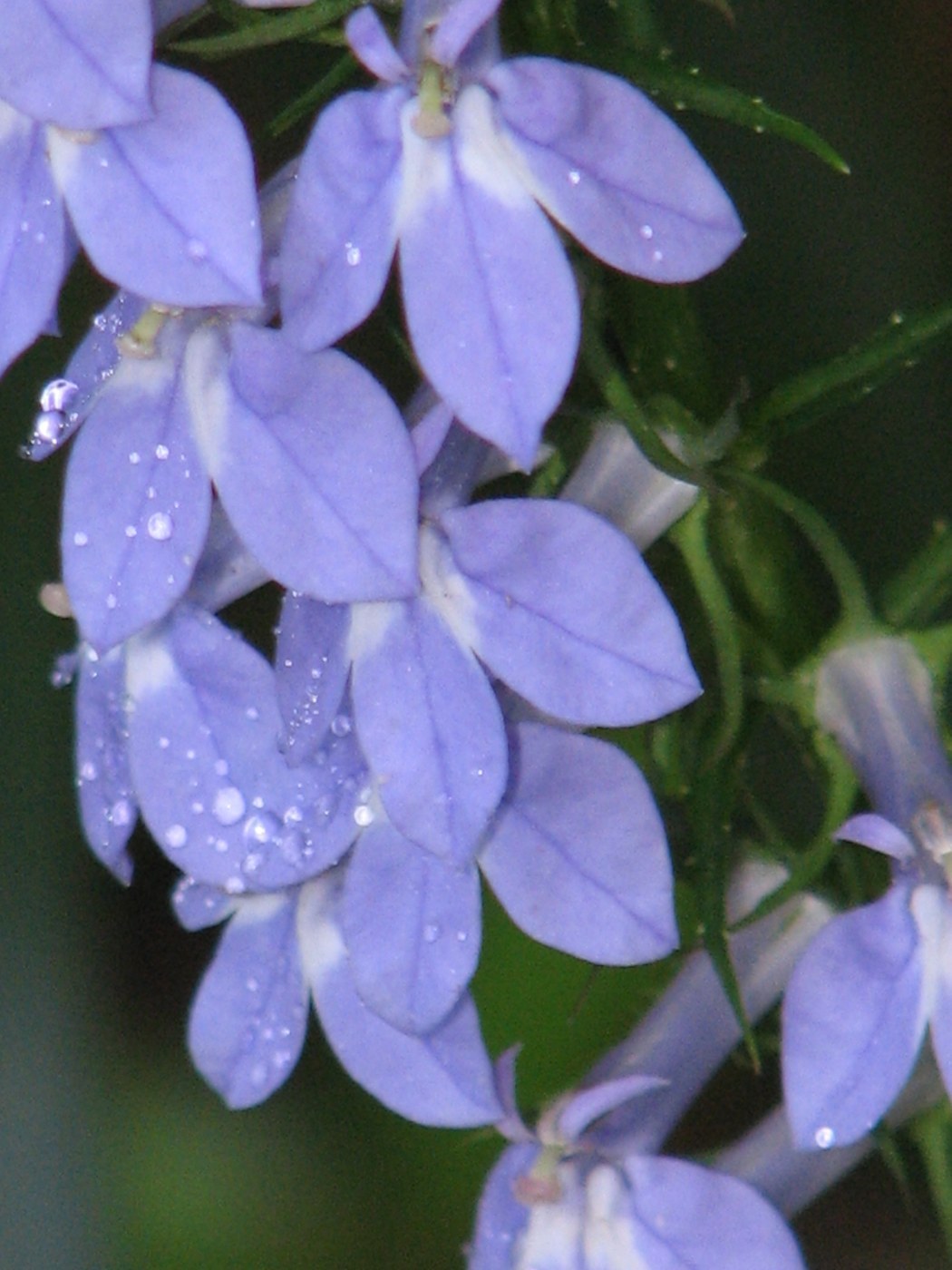
Great Blue Lobelia (Lobelia siphilitica) is a clump-forming North American perennial prized for its upright spikes of vivid blue, tubular flowers in late summer and early fall. It loves moisture and thrives in rain gardens, pond edges, and consistently damp borders.
Light
Grows well in full sun to partial shade. In full sun it stays compact and flowers heavily, provided the soil never dries out. In hotter regions, afternoon shade helps prevent stress and keeps the soil cooler and moister.
Water
This is a moisture-loving plant that wants high, consistent water and evenly moist soil at all times. It tolerates boggy ground and short periods of standing water, making it ideal for low spots and streamsides. Never let it dry out completely; drought quickly causes wilting, browning, and poor bloom.
Soil & Potting
Provide rich, humusy, consistently moist soil. It thrives in loam or clay that holds water and appreciates generous organic matter. A slightly acidic to neutral pH suits it. In containers, use a moisture-retentive mix and sit the pot where it will not dry out.
Humidity & Temperature
As a hardy perennial (roughly USDA zones 4 to 9), it withstands cold winters and warm summers. It appreciates ambient humidity and moist air near water features. Mulching keeps roots cool and conserves moisture through summer heat.
Feeding
Undemanding. A spring topdressing of compost usually supplies enough nutrients. If growth is weak in poor soil, apply a light balanced fertilizer in spring. Avoid heavy feeding, which can produce floppy growth that needs staking.
Propagation
Propagate by seed, division, or basal offsets. Divide clumps in spring every few years to maintain vigor. It also self-seeds readily where soil stays moist, so you can let seedlings fill in or collect and sow the tiny seeds by pressing them onto the surface, as they need light to germinate.
Repotting / Pruning
Cut spent flower spikes to tidy the plant and sometimes encourage a lighter rebloom. Leave some seed heads if you want it to self-sow. Cut old stems back in late fall or early spring. Divide crowded clumps to rejuvenate them.
Common Problems & Pests
Generally trouble-free. The chief issue is drought stress, which causes wilting and crisped foliage. Overly dry sites also shorten the plant's life. Root rot can occur only in stagnant, airless muck. Slugs may nibble young growth, and rust or leaf spot can appear in crowded, humid plantings with poor airflow.
Seasonal Care Tips
Keep soil reliably moist through spring and summer as flower spikes develop. Enjoy the blue bloom show in late summer into fall. Leave some seed heads for self-sowing, mulch for winter, and clear old stems in early spring as new basal rosettes emerge.
Frequently asked questions
Where should I plant Great Blue Lobelia?
Choose a spot with consistently moist to wet soil, such as a rain garden, pond edge, or low border. It handles full sun to part shade as long as the roots stay damp.
Why is my lobelia wilting and browning?
The most common cause is dry soil. This plant needs steady moisture and suffers quickly in drought. Water deeply, add mulch, and keep the soil evenly moist to recover it.
Does Great Blue Lobelia come back every year?
Yes, it is a hardy perennial in roughly zones 4 to 9. It can be short-lived in dry sites but readily self-seeds in moist ground, so colonies persist and spread over time.
How do I propagate Great Blue Lobelia?
Divide established clumps in spring, transplant self-sown seedlings, or surface-sow the fine seeds on moist soil in light, since they need light to germinate.