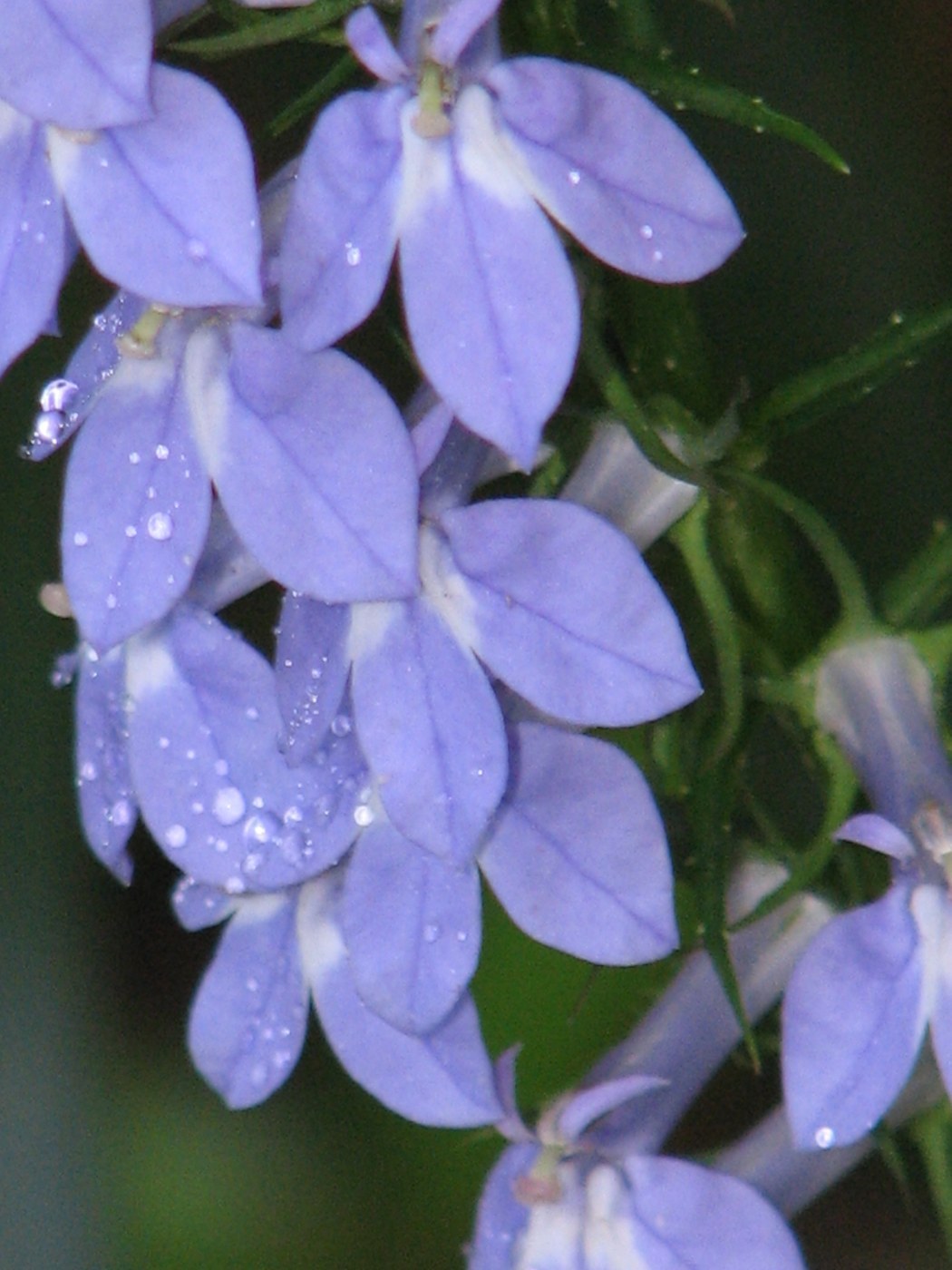
Great Blue Lobelia
Lobelia siphilitica
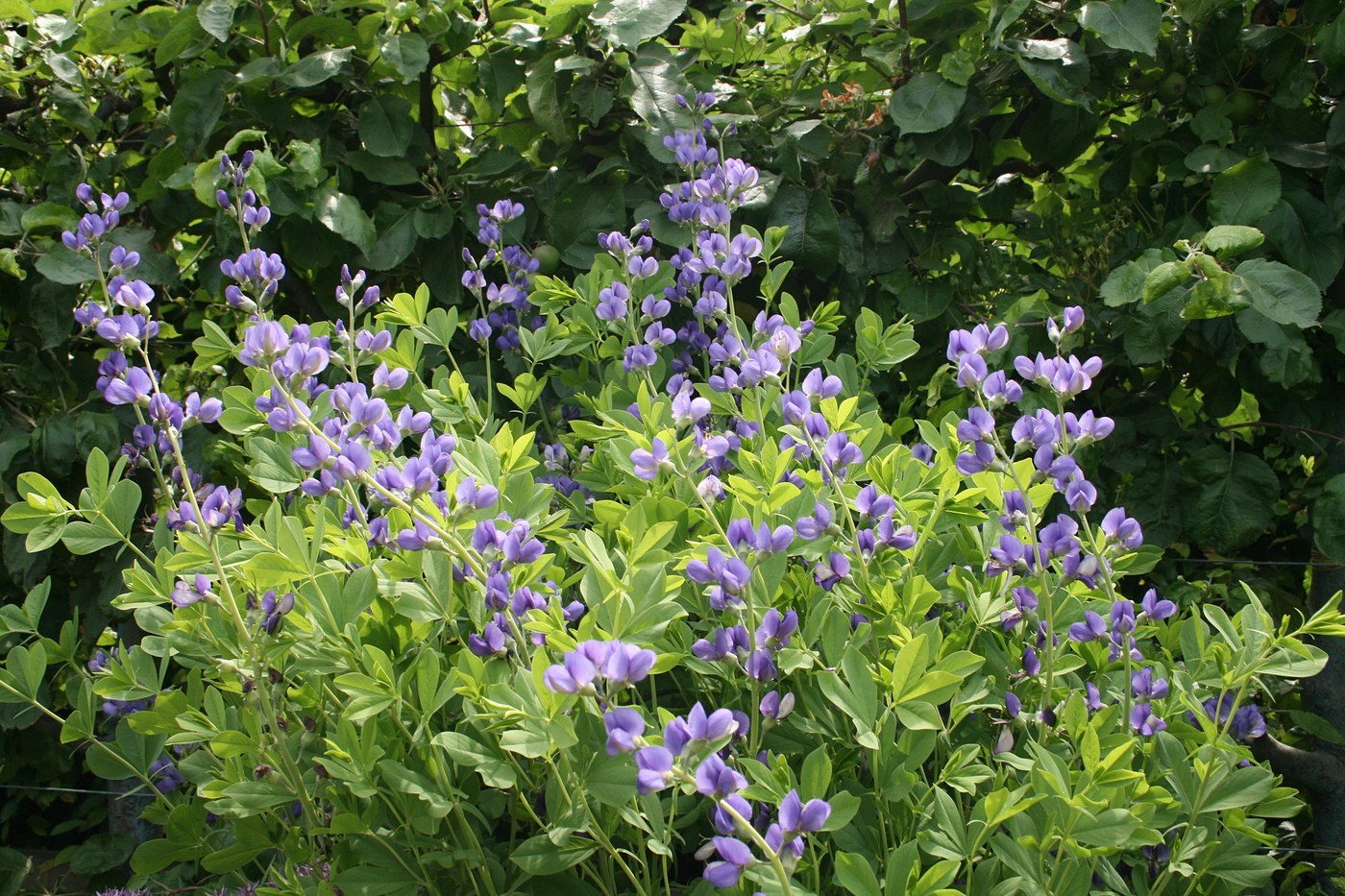
A native North American perennial producing tall spikes of vivid blue, two-lipped flowers in late summer. It is the blue counterpart to the red cardinal flower and loves moist ground.
- Light
- Full sun to partial shade
- Water
- High; consistently moist soil
- Difficulty
- Easy
Got a plant like this?
Identify any plant from a photo, free.
Overview
Great blue lobelia is a striking native perennial that lights up moist meadows and stream banks with spires of brilliant blue flowers in late summer and fall. It is closely related to the scarlet cardinal flower (Lobelia cardinalis) and the two are sometimes grown together for contrast.
The tubular, two-lipped flowers are well suited to pollination by bumblebees, which push into the blooms to reach nectar.
How to identify it
- Flowers: Bright blue, two-lipped and tubular, about 1 inch long, packed in a dense terminal spike; lower lip striped white
- Leaves: Lance-shaped, alternate, toothed, light green
- Stems: Erect, leafy, unbranched, 1-3 feet tall
- Habit: Clump-forming perennial
- Bloom time: Late summer into autumn
Care & growing
Great blue lobelia is easy where the soil stays reliably moist.
- Light: Full sun to partial shade; tolerates more sun where soil is wet
- Water: Needs consistently moist to wet soil; do not let it dry out
- Soil: Rich, humusy, moisture-retentive soil
- Temperature: Hardy in USDA zones 4-9
- Feeding: Compost in spring is beneficial
- Propagation: By seed (surface-sown, needs light), division, or by pinning down basal offshoots
Habitat & origin
Lobelia siphilitica is native to central and eastern North America, from Canada south to the Gulf Coast.
It grows naturally in wet meadows, marshes, stream and pond margins, low woods, and moist ditches. It is a reliable indicator of damp, fertile ground and is widely used in rain gardens and native wetland plantings.
Frequently asked questions
Is great blue lobelia related to cardinal flower?
Yes, both are in the genus Lobelia. Great blue lobelia (L. siphilitica) has blue flowers while cardinal flower (L. cardinalis) is brilliant red; they are often grown together.
What kind of soil does it need?
It thrives in consistently moist to wet, rich soil and is ideal for rain gardens, pond margins, and other damp spots.
What pollinates it?
Bumblebees are the primary pollinators of its tubular blue flowers, and hummingbirds visit as well.
Great Blue Lobelia guides
In-depth guides for identifying, growing, and caring for Great Blue Lobelia.
How to Care for Great Blue Lobelia
Grow Great Blue Lobelia for vivid late-summer blue spikes in moist soil and sun to part shade, with easy division and self-seeding.
Great Blue Lobelia Identification Guide
Identify Great Blue Lobelia by its tall spike of two-lipped blue flowers with white throat stripes, its leafy unbranched stem, and its love of moist ground, plus how it differs from Cardinal Flower.