
How to Care for Green Ash
Green ash (Fraxinus pennsylvanica) is a fast, adaptable shade tree for full sun and a wide range of soils and moisture.
Read the full Green Ash encyclopedia entry →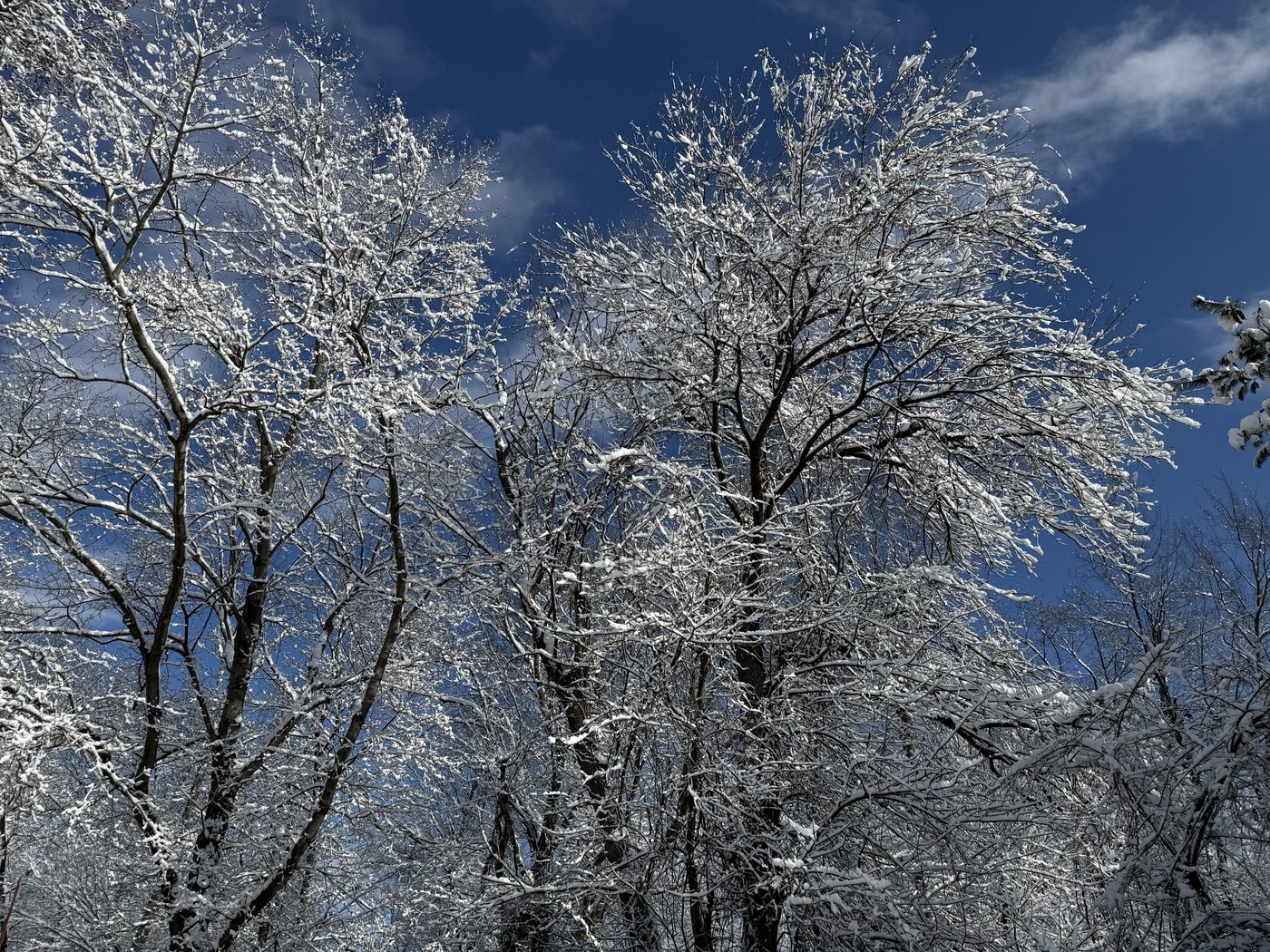
Green ash (Fraxinus pennsylvanica) is a fast-growing North American shade tree valued for its adaptability, tolerance of tough sites, and bright yellow autumn color. It handles both wet and dry ground, making it an easy landscape tree, though ash borer pressure now shapes where and how it is planted.
Light
Plant green ash in full sun for the strongest, fullest canopy and best fall color. It will tolerate light or partial shade, especially when young, but growth becomes thin and lopsided in too much shade. A minimum of six hours of direct sun per day gives the healthiest, most uniform tree.
Water
Green ash has moderate water needs but is remarkably flexible, tolerating both periodically wet soils and dry spells once established. Water newly planted trees deeply and regularly through their first two or three growing seasons to build a strong root system. After establishment, supplemental watering is mainly needed during extended drought; a deep soak every couple of weeks in dry periods is far better than frequent shallow watering.
Soil & Potting
This tree thrives in a wide range of soils, from clay to sandy loam, and tolerates a broad pH range as well as compacted and occasionally flooded ground. It performs best in deep, moist, fertile soil but is far more forgiving than most shade trees. Choose a planting site with room for the roots and canopy to spread, and avoid deep, permanent standing water.
Humidity & Temperature
Green ash is very cold hardy and thrives across temperate climates with cold winters and warm summers. It has no special humidity requirements and adapts to continental swings in temperature. It needs a winter dormancy period and is not suited to tropical, frost-free regions.
Feeding
Established green ash in reasonable soil rarely needs feeding. For young trees or poor soils, apply a balanced slow-release tree fertilizer in early spring to support growth. A layer of organic mulch over the root zone, kept a few inches away from the trunk, feeds the soil gradually and reduces the need for fertilizer.
Propagation
Green ash is typically propagated from seed. The winged samaras are collected in autumn and usually require a period of cold, moist stratification to break dormancy before sowing. Named landscape cultivars are propagated by grafting or budding onto seedling rootstock to preserve their form and seedless character.
Repotting / Pruning
Prune in late winter or early spring while the tree is dormant to shape a strong central leader and remove crossing, dead, or damaged branches. Establish good structure early to prevent weak, narrow branch crotches. Remove any suckers or water sprouts. Avoid heavy pruning in late summer or autumn.
Common Problems & Pests
The most serious threat is the emerald ash borer, a wood-boring insect that has devastated ash populations across large regions; monitor for canopy dieback, D-shaped exit holes, and bark splitting, and consult a certified arborist about protective treatment in affected areas. Other issues include ash yellows, anthracnose and other leaf-spot diseases, cankers, and occasional scale or aphids. Keeping the tree vigorous with proper watering and mulching improves its resilience.
Seasonal Care Tips
In spring, prune before bud break, refresh mulch, and feed young trees if needed. Through summer, water deeply during droughts and watch for pest and borer activity. In autumn, enjoy the yellow color and rake fallen leaves; the winged seeds may self-sow. In winter, the dormant season is the ideal time for structural pruning and for checking the trunk and branches for damage.
Frequently asked questions
How fast does green ash grow?
It is a fast-growing tree, often adding one to two feet or more per year in good conditions, which is part of why it became a popular landscape and street tree. Give it full sun and adequate water when young to maximize healthy growth.
Can green ash handle wet or poorly drained soil?
Yes. Green ash is unusually adaptable and tolerates periodically wet, clay, and even occasionally flooded soils, as well as dry spells once established. It does best in deep moist soil but forgives tough sites.
Should I worry about emerald ash borer?
In regions where the borer is present it is a serious concern that has killed many ash trees. Watch for canopy thinning, D-shaped exit holes, and bark splitting, and consult a certified arborist about preventive treatment for valued trees.
When is the best time to prune green ash?
Prune during dormancy in late winter or early spring, before new growth begins. Focus on building a strong central leader and removing dead, crossing, or weakly attached branches while the tree is young.