Green Ash
Fraxinus pennsylvanica
Green ash is a tough, adaptable deciduous tree once widely planted for shade, with compound leaves and yellow fall color; its survival is now threatened across North America by the emerald ash borer.
- Light
- Full sun
- Water
- Moderate; tolerates wet and dry
- Difficulty
- Easy
Got a plant like this?
Identify any plant from a photo, free.
Overview
Green ash (Fraxinus pennsylvanica) is a fast-growing, highly adaptable deciduous tree native to eastern and central North America. Its tolerance of poor soils, drought, flooding, and urban conditions made it one of the most planted shade trees of the late 20th century.
It was often used to replace American elms lost to Dutch elm disease, leading to overplanting in many cities.
Since the early 2000s, the invasive emerald ash borer has killed tens of millions of ash trees, and green ash is now considered critically threatened in much of its range.
How to identify it
A medium-large deciduous tree with opposite, compound leaves.
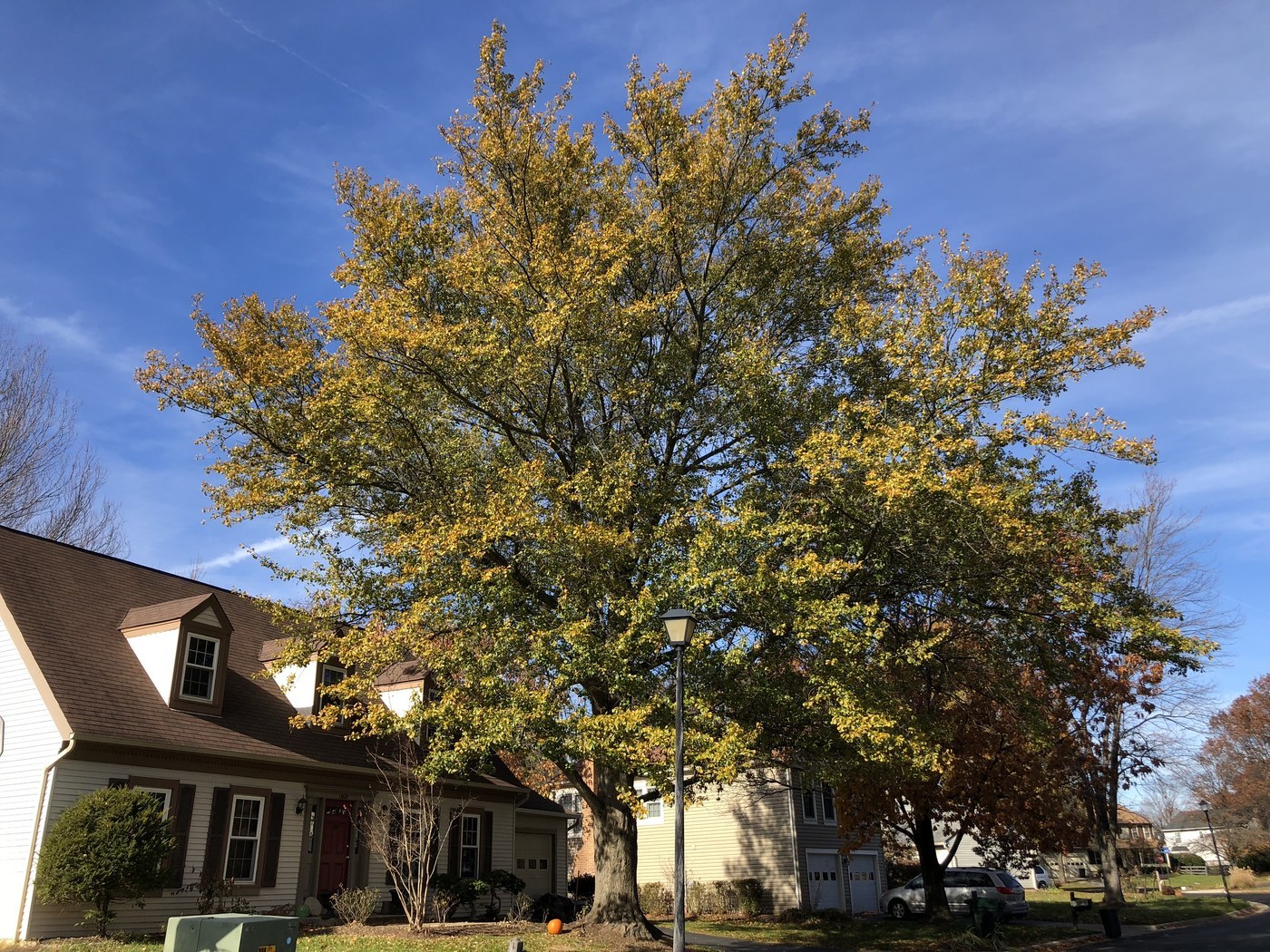
- Leaves: pinnately compound, 25-30 cm, with 5-9 (usually 7) lance-shaped, finely toothed leaflets; green on both sides; yellow in fall
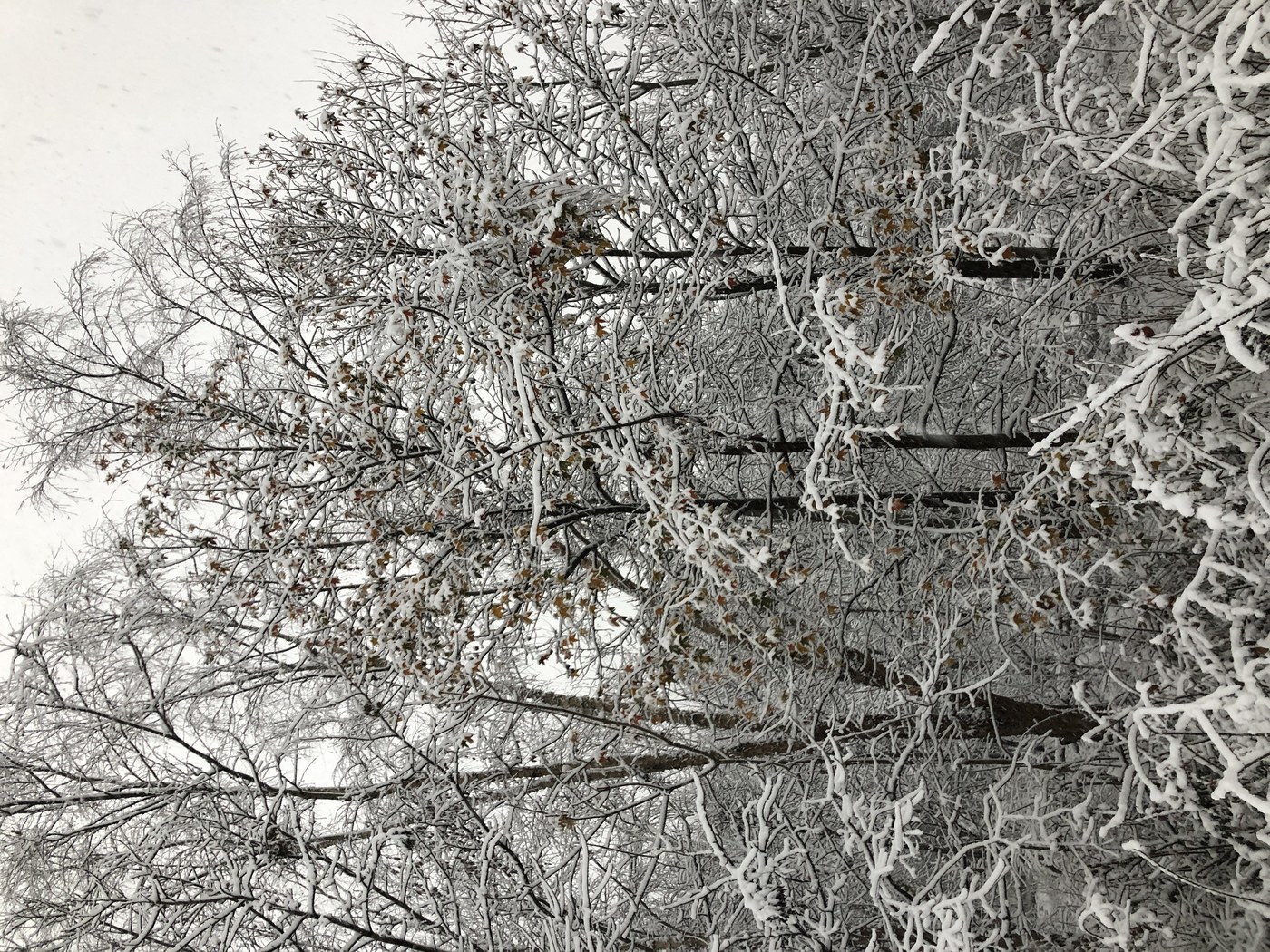
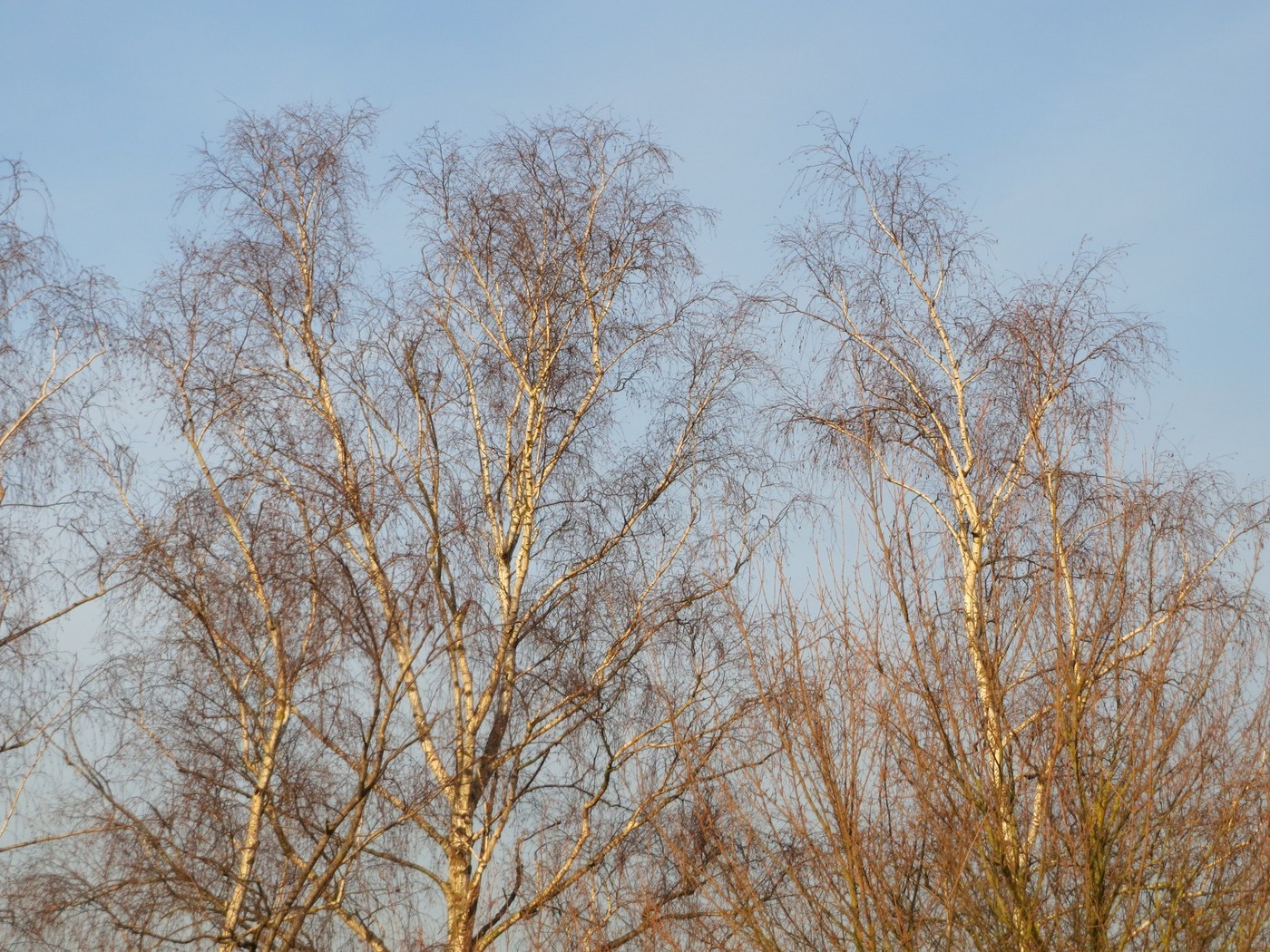
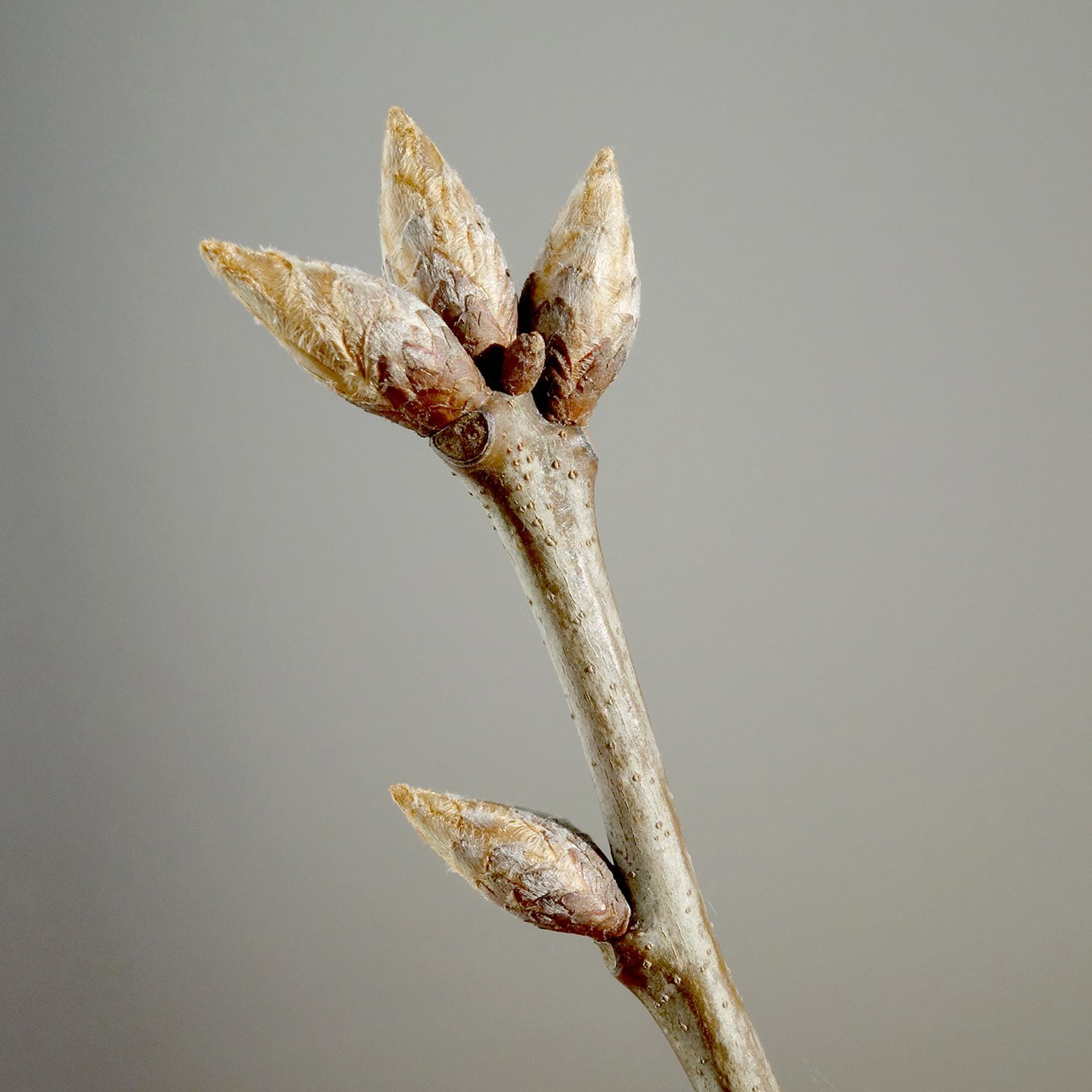
- Branching: twigs and buds are arranged oppositely — a key ash trait
- Bark: gray-brown with tight, interlacing diamond-shaped ridges
- Seeds: single-winged, paddle-shaped samaras hanging in clusters on female trees
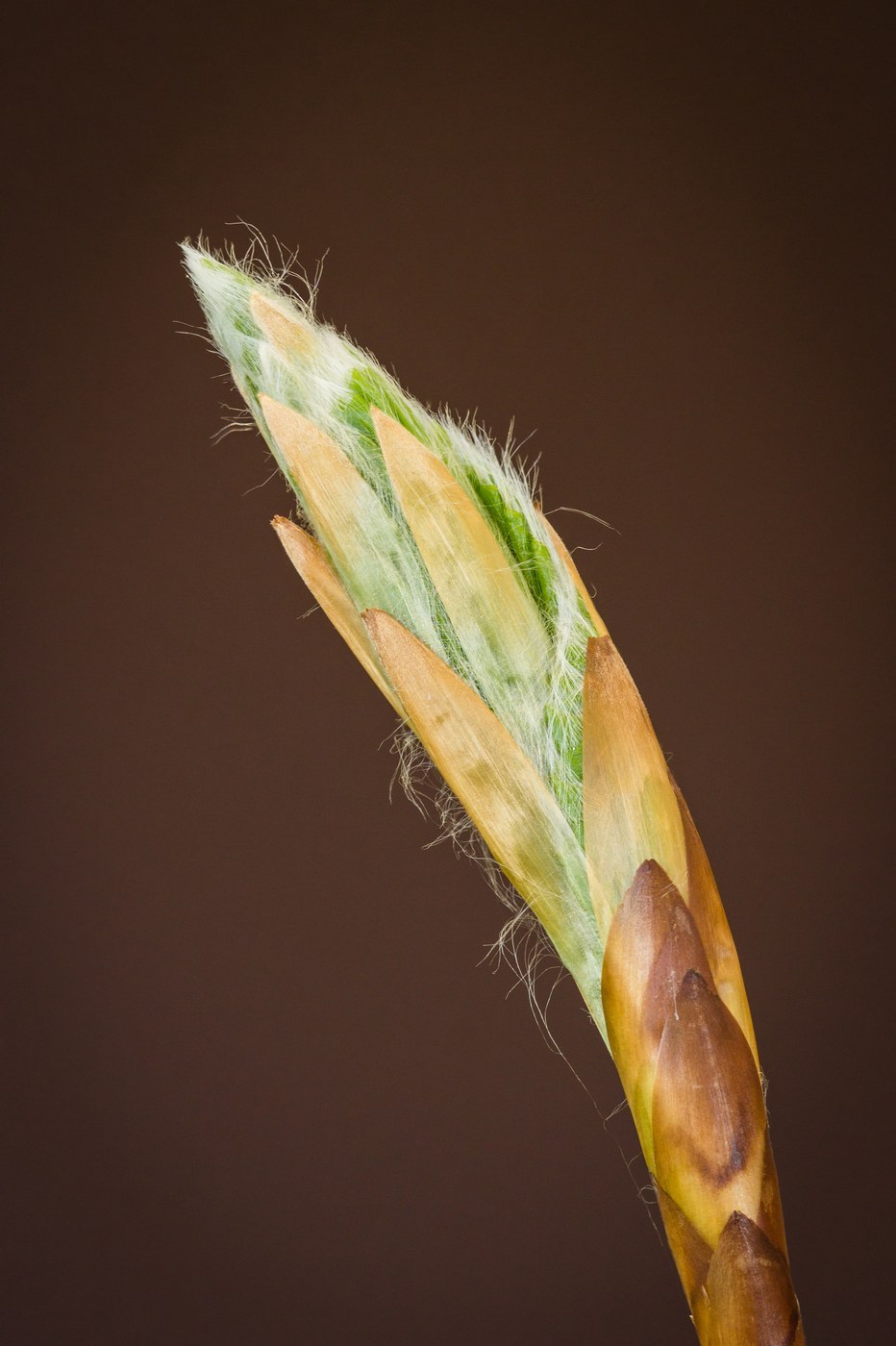
- Buds: brown, rounded, set above a crescent-shaped leaf scar
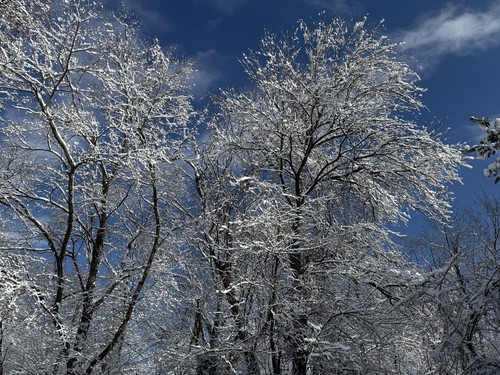
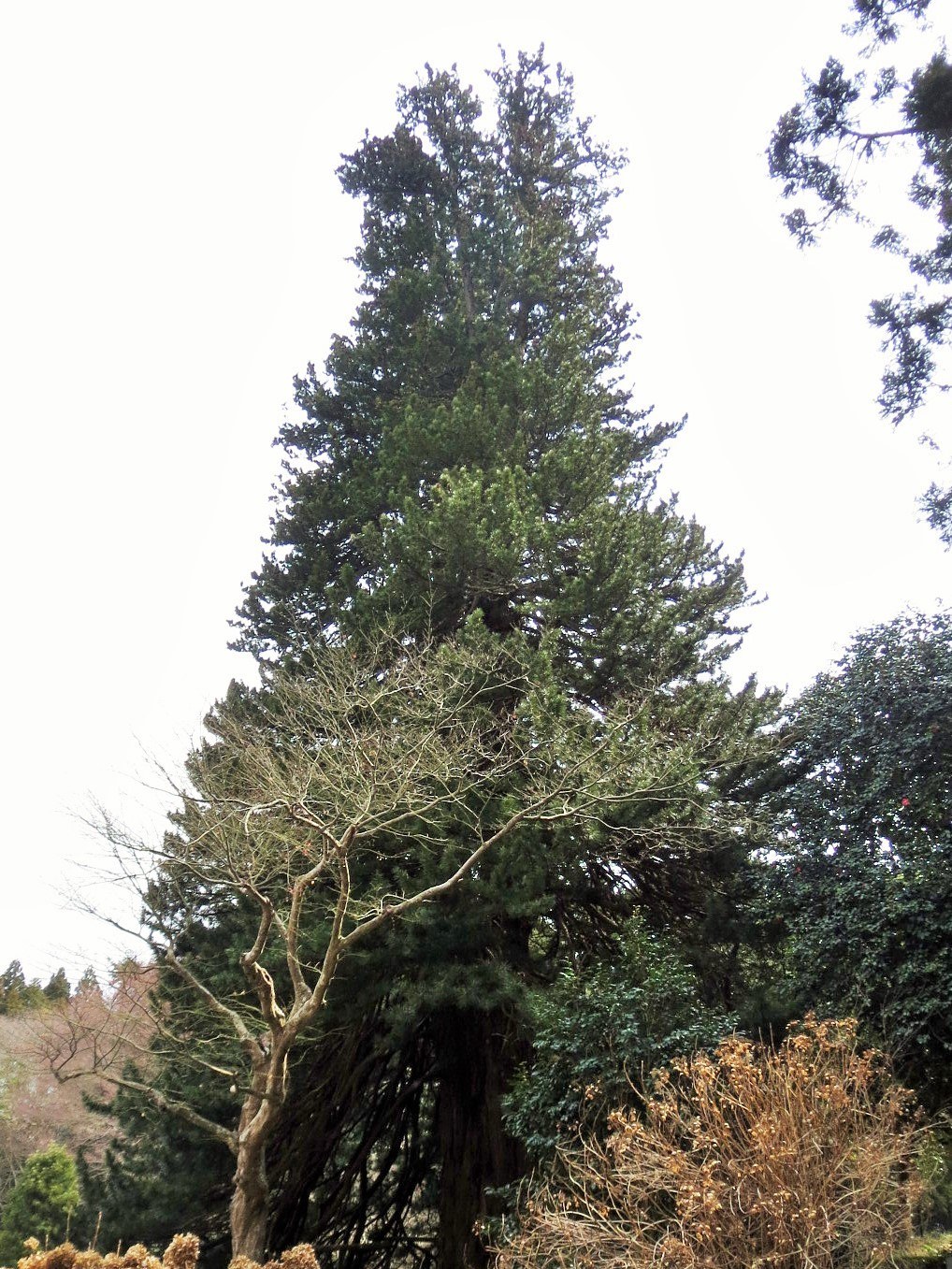
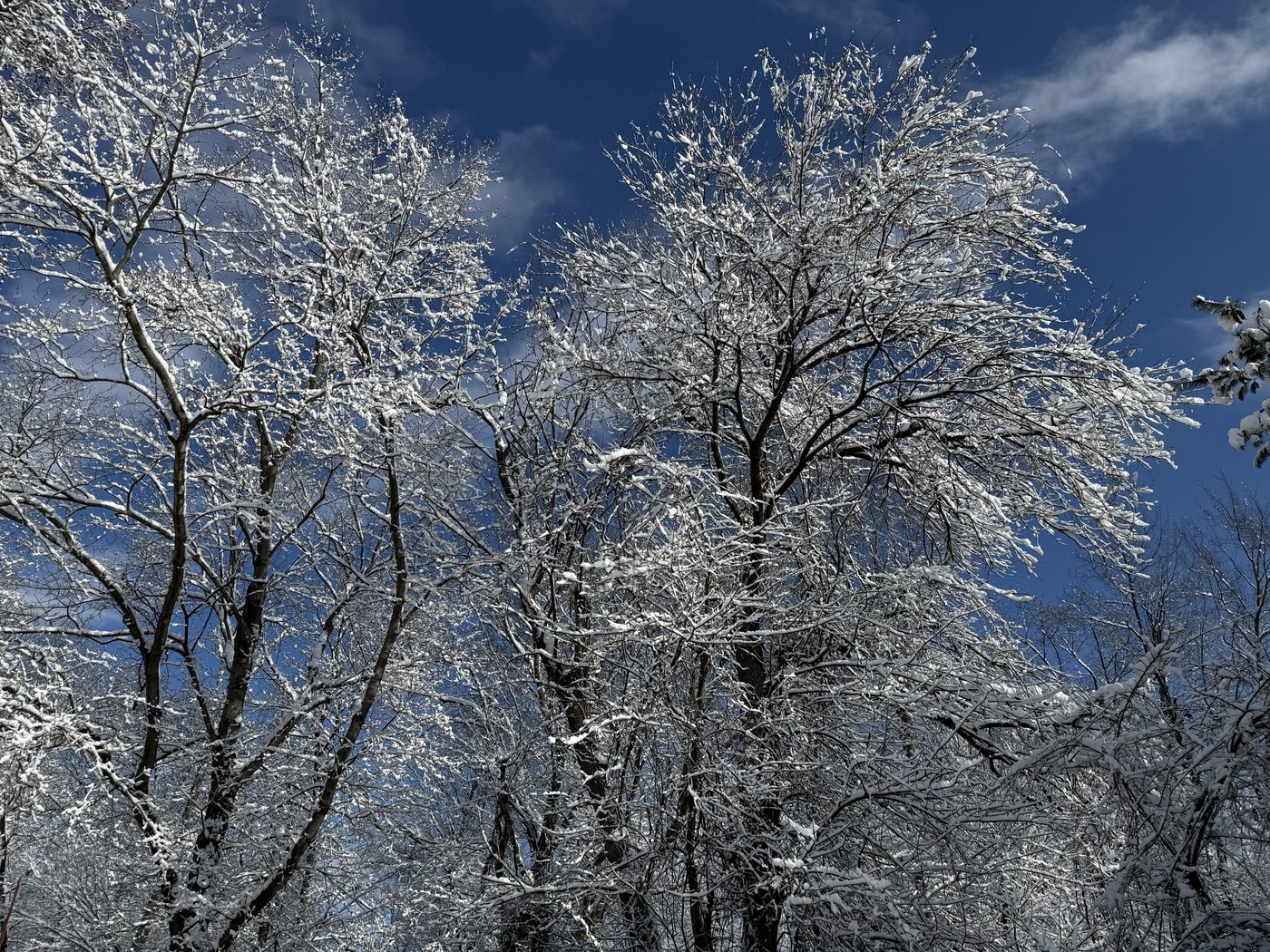
- Size: 15-20 m tall with a rounded to irregular crown
Care & growing
Easy to grow, but borer threat now limits planting.
- Light: full sun
- Water: very adaptable; tolerates both wet, flood-prone soils and periods of drought
- Soil: grows in nearly any soil, including compacted urban and alkaline sites
- Temperature: very hardy, USDA zones 3-9
- Feeding: rarely needed
- Propagation: from seed (requires cold stratification); cultivars grafted
- Pest alert: emerald ash borer is usually fatal; in affected regions, planting ash is discouraged and existing trees may need treatment
Habitat & origin
Native across a vast range of eastern and central North America, from the Atlantic coast to the Rocky Mountains. In the wild it favors stream banks, floodplains, and bottomlands, being one of the most flood-tolerant trees.
It was planted extensively as a street and shade tree throughout North America and beyond, though emerald ash borer has reversed this trend dramatically.
Frequently asked questions
What is killing green ash trees?
The emerald ash borer, an invasive Asian beetle whose larvae tunnel under the bark and cut off the tree's nutrient flow, is fatal to nearly all untreated ash trees.
Should I still plant green ash?
In areas affected by emerald ash borer, planting ash is generally discouraged. Existing valued trees can be protected with insecticide treatments, but diversifying species is recommended.
How do I tell ash from other compound-leaved trees?
Ash has opposite branching and opposite, pinnately compound leaves — most other compound-leaved trees, like walnut and hickory, have alternate arrangement.
What is ash wood used for?
Its strong, flexible, shock-resistant wood is prized for tool handles, baseball bats, hockey sticks, and furniture.
Green Ash guides
In-depth guides for identifying, growing, and caring for Green Ash.