
How to Care for Groundsel
Groundsel is a fast, undemanding annual that thrives in sun to part shade and moist soil, self-seeding readily in cool conditions.
Read the full Groundsel encyclopedia entry →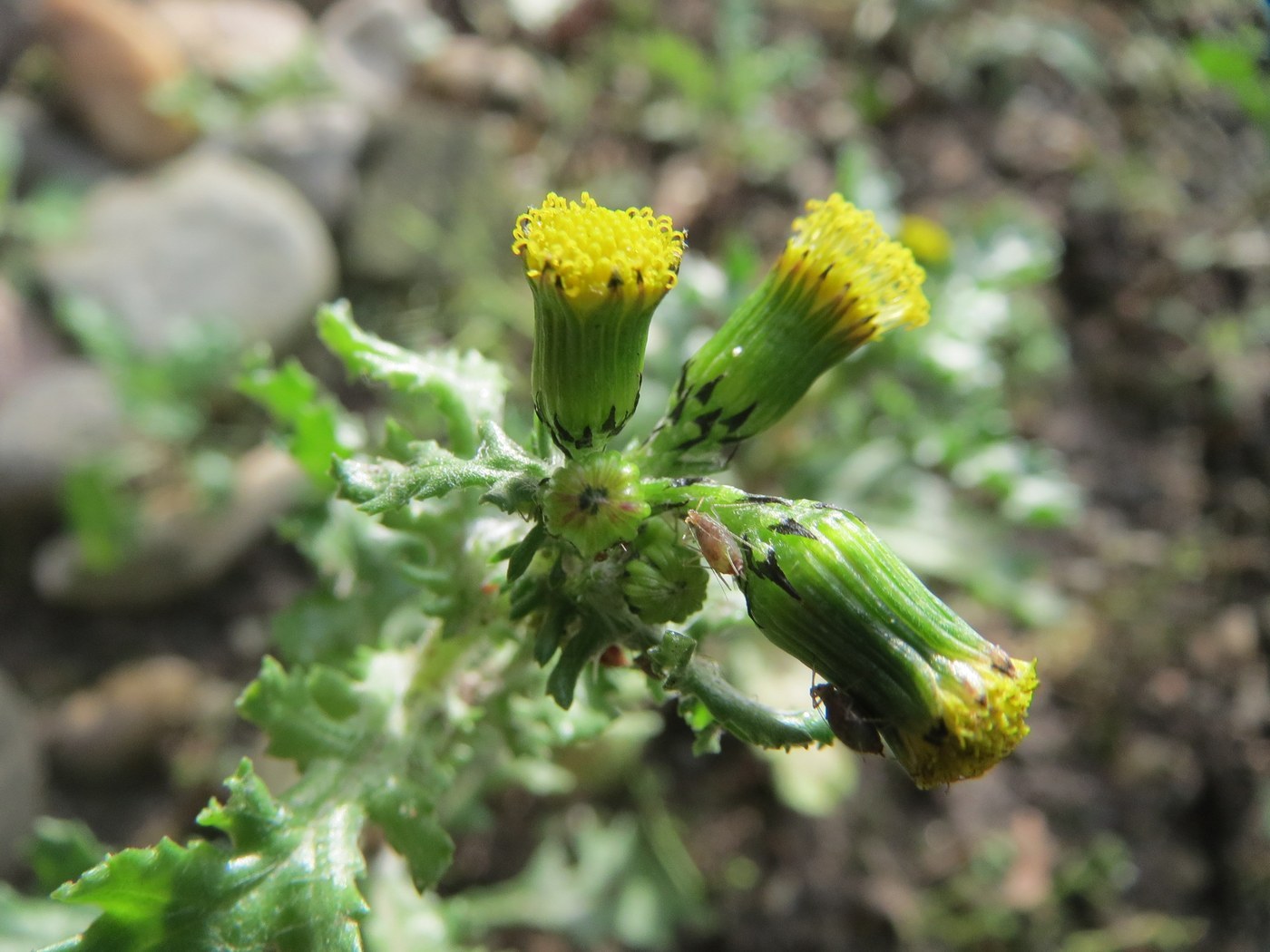
Groundsel (Senecio vulgaris) is a fast-growing, cool-season annual with lobed leaves and small, rayless yellow flower clusters that quickly ripen into fluffy, dandelion-like seed heads. Vigorous and undemanding, it completes its life cycle rapidly and self-seeds freely, so it establishes almost anywhere with minimal effort.
Light
Groundsel grows well in sun to part shade. It flowers and matures fastest in full sun but is entirely comfortable in the lighter, dappled shade of borders and edges. Its adaptability to a wide light range is part of why it colonizes so readily.
Water
Give it average watering; Groundsel prefers a moist soil and grows lush where moisture is steady, yet it tolerates ordinary garden conditions well. Keep newly germinated seedlings damp until established. Established plants are resilient and only need supplemental water during dry spells, though consistent moisture keeps foliage soft and green.
Soil & Potting
Groundsel is undemanding about soil and grows in most ordinary garden soils, including disturbed and moderately poor ground. It favors a moist, reasonably fertile, well-drained soil for best growth. It germinates readily on bare, cultivated soil. In containers, any general-purpose potting mix is more than adequate.
Humidity & Temperature
This is a cool-season annual that thrives in the mild temperatures of spring and autumn and can even grow through mild winters in temperate climates. It slows and quickly runs to seed in hot summer weather. Ambient humidity is not a concern; it succeeds across a broad range of everyday outdoor conditions.
Feeding
Groundsel needs little or no feeding. It grows vigorously in ordinary soil and rarely benefits from fertilizer. If grown deliberately in a very poor site, a light dose of balanced fertilizer or a thin compost topdressing will boost lushness, but overfeeding simply produces oversized, floppy plants.
Propagation
Groundsel propagates entirely by seed and does so with great enthusiasm. Its wind-borne, parachute-tufted seeds scatter widely and germinate quickly on bare soil, so simply letting a plant flower ensures a next generation. To sow deliberately, scatter seed on prepared soil and keep it lightly moist. Because it self-seeds so freely, containing it usually matters more than propagating it.
Repotting / Pruning
As a short-lived annual, Groundsel needs no repotting or formal pruning. The key maintenance task is deadheading: removing the flower heads before they form fluffy seed clusters if you want to prevent it from spreading throughout the garden. Pull or hoe out unwanted seedlings while young, as they are easiest to remove before flowering.
Common Problems & Pests
Groundsel is hardy and largely trouble-free, though it can host rust fungus, which shows as orange pustules on leaves, and may attract aphids that then move onto neighboring plants. Remove badly affected plants to limit spread. Its most notable garden concern is its own vigor: it self-seeds so prolifically that it readily becomes weedy, so managing seed set is the main ongoing job.
Seasonal Care Tips
Groundsel is at its best in the cool, moist conditions of spring and autumn, germinating and growing rapidly then. Through summer heat it bolts to seed quickly, so deadhead often if you want to curb spread. In mild-winter areas it may keep growing through the cold season. Because each plant produces abundant seed, a little regular tidying keeps it where you want it.
Frequently asked questions
How do I stop Groundsel from spreading?
Deadhead the flowers before they form fluffy seed heads, and pull or hoe out young seedlings before they flower. Its wind-borne seeds spread widely, so preventing seed set is the key to keeping it contained.
What growing conditions does Groundsel prefer?
It grows in sun to part shade in most ordinary, moist, well-drained soils. It thrives in the cool temperatures of spring and autumn and tolerates a wide range of everyday garden conditions.
Does Groundsel need fertilizer?
Rarely. It grows vigorously in ordinary soil without feeding. Only very poor sites benefit from a light compost topdressing, and overfeeding just produces oversized, floppy plants.
How does Groundsel reproduce?
Entirely by seed. It produces abundant parachute-tufted seeds that scatter on the wind and germinate quickly on bare soil, allowing it to self-seed and colonize new areas readily.