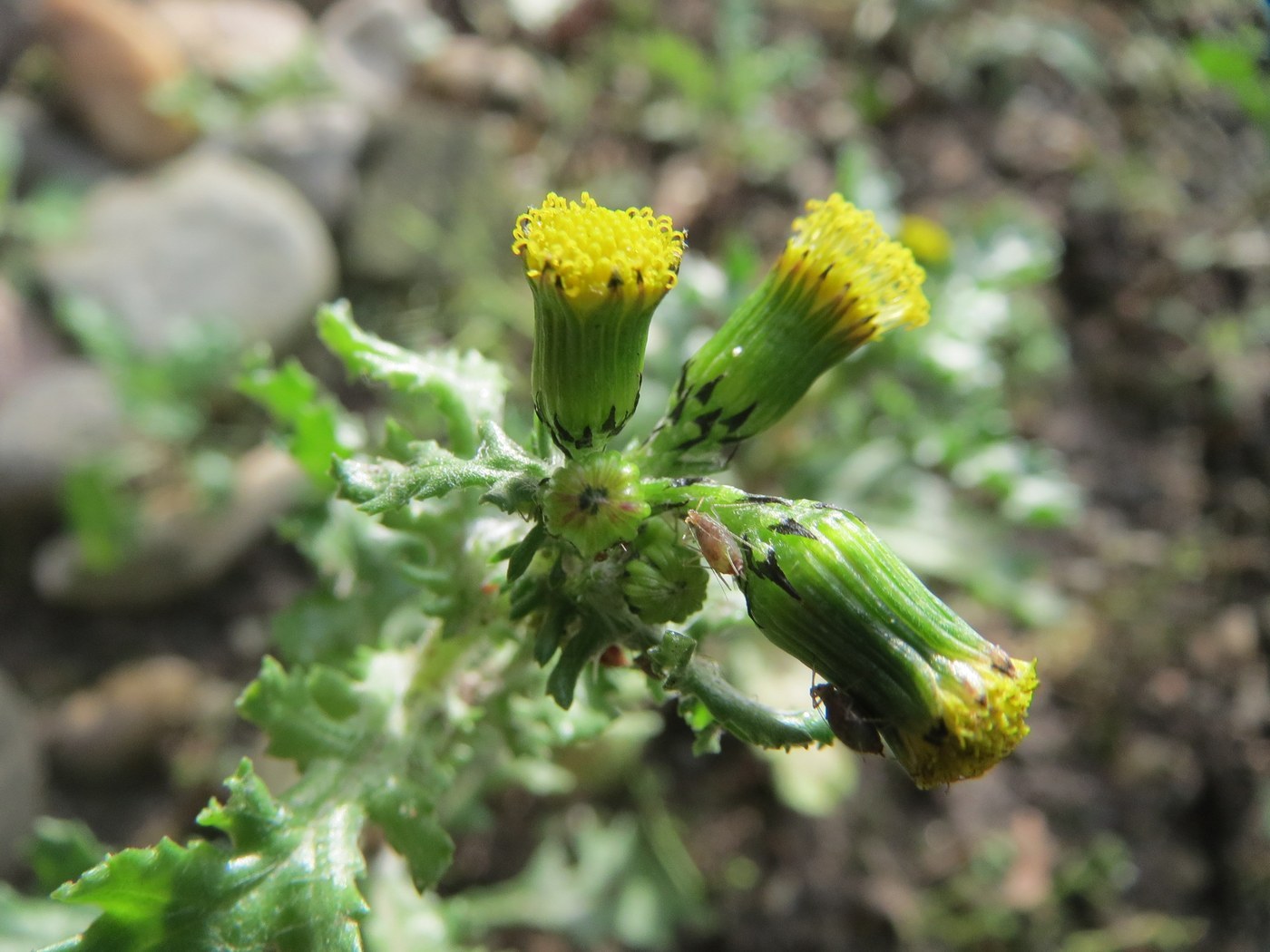
Groundsel
Senecio vulgaris
Common groundsel is a fast-growing annual weed with ragged leaves and small, rayless yellow flower heads that turn into fluffy seed tufts. Wind-borne seeds let it colonize gardens and disturbed ground rapidly.
- Light
- Sun to part shade
- Water
- Average; prefers moist soil
- Difficulty
- Easy
Got a plant like this?
Identify any plant from a photo, free.
Overview
Common groundsel (Senecio vulgaris) is a small, fast-growing annual weed native to Europe and Asia and now naturalized worldwide. It completes its life cycle quickly and can produce multiple generations per year, making it a persistent weed of gardens, fields, and disturbed ground.
Its small yellow flower heads lack showy ray petals and quickly mature into fluffy white seed clusters, giving rise to the old name 'old-man-in-the-spring.' The wind-borne seeds spread it rapidly across cultivated soil.
How to identify it
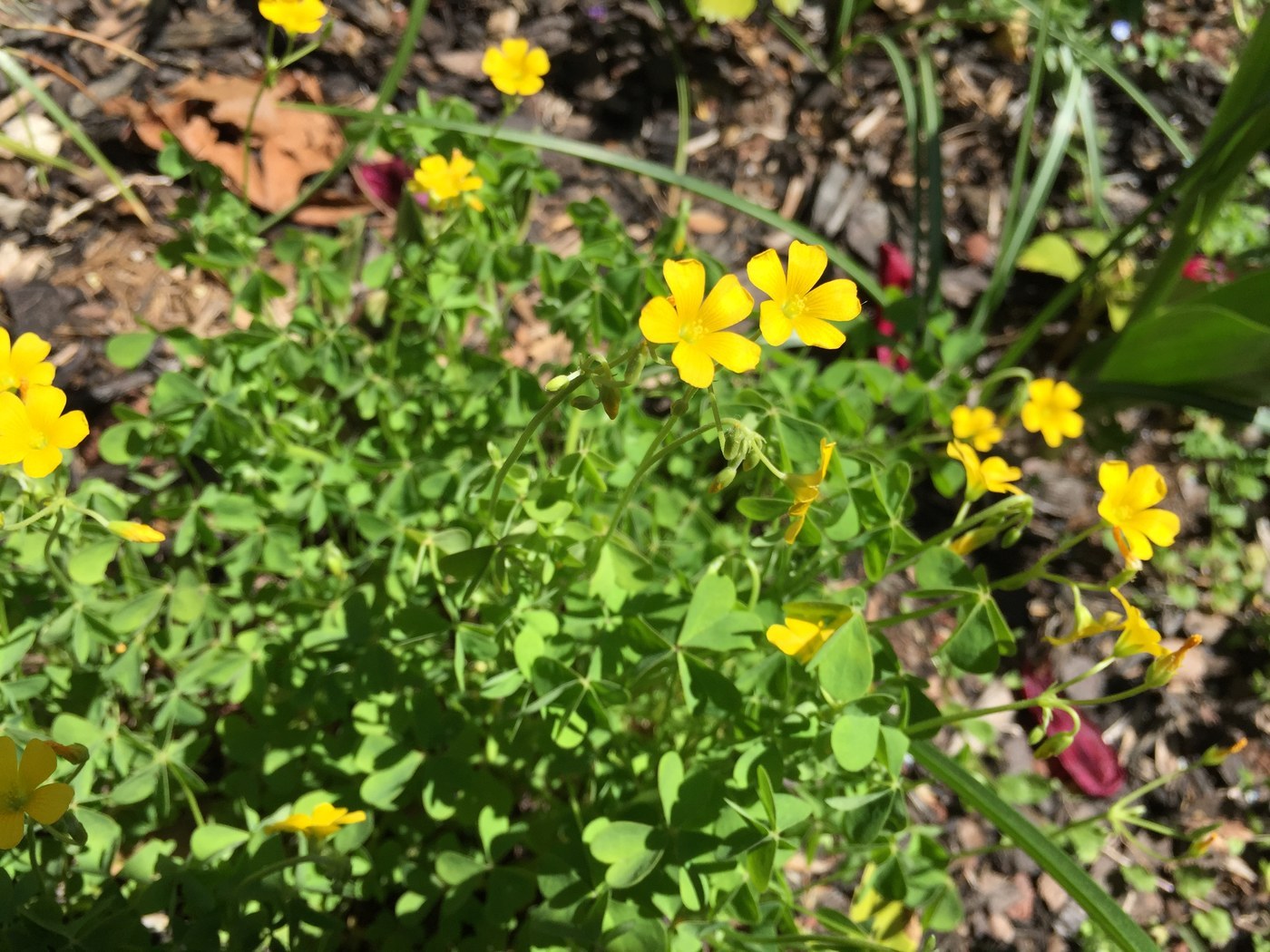
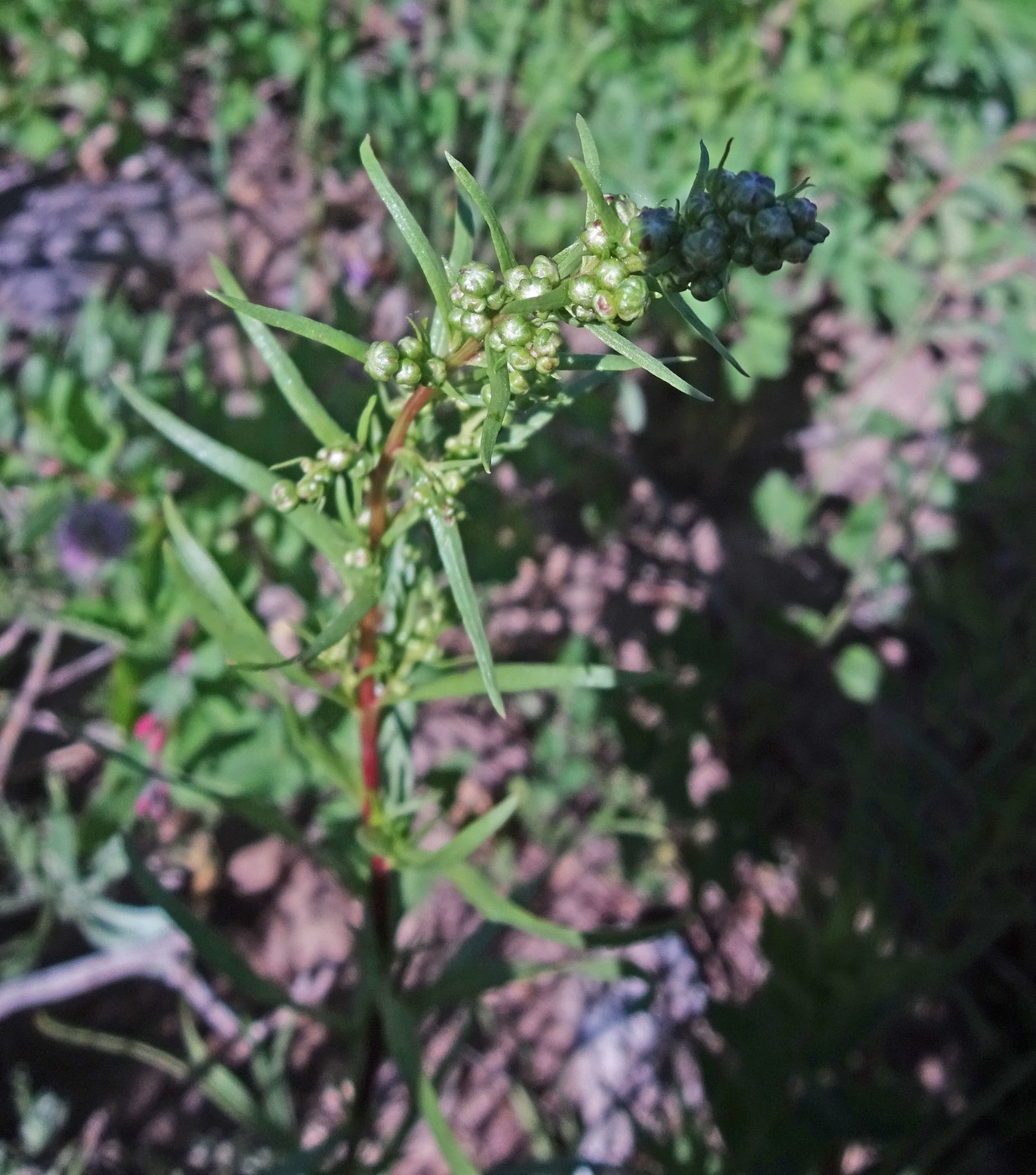
Identify groundsel by its ragged lobed leaves and small rayless yellow flower clusters.
- Flowers: Small, cylindrical yellow flower heads without spreading ray petals, in loose clusters
- Seeds: Mature into fluffy white dandelion-like tufts
- Leaves: Irregularly lobed and toothed, somewhat fleshy, clasping the stem
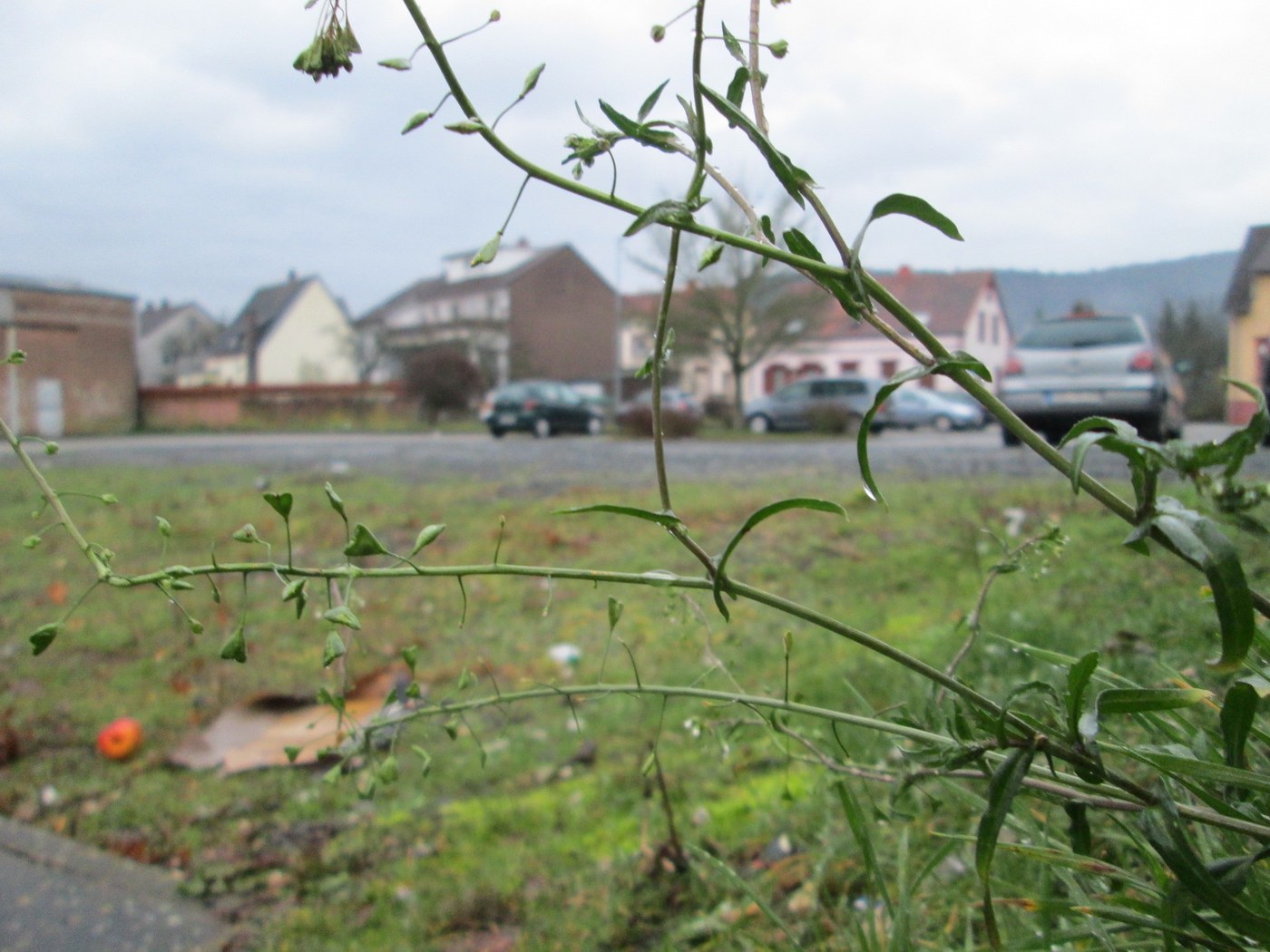
- Habit: Erect, branching annual, usually 4-18 inches tall
- Bracts: Flower head bases often have small black-tipped bracts
Care & growing
Managed as a weed.
- Control: Hand-pull or hoe young plants before they flower and seed
- Timing: Critical to remove early, as it sets seed quickly and repeatedly
- Disposal: Bag flowering plants rather than composting to avoid spreading seed
- It thrives in cool, moist, fertile, disturbed soil and needs no care to spread
Habitat & origin
Native to Europe, North Africa, and Asia, common groundsel has naturalized across North America, Australia, and temperate regions worldwide.
It grows in disturbed, fertile, often moist ground: gardens, fields, nurseries, roadsides, and waste places. It is especially common in cool seasons and cultivated soils, and it tolerates a wide range of conditions.
Frequently asked questions
How can I identify common groundsel?
Look for ragged, irregularly lobed leaves and small cylindrical yellow flower heads without spreading petals, often with black-tipped bracts at the base, maturing into fluffy white seed tufts.
Why does groundsel spread so fast?
It grows and flowers quickly, producing several generations of wind-borne seeds in a single year, so it colonizes disturbed soil rapidly.
Can I compost groundsel?
It is best to bag and dispose of flowering plants rather than compost them, since the seeds can survive and spread the weed.
Where does groundsel grow?
It favors disturbed, fertile, often moist ground such as gardens, fields, nurseries, roadsides and waste places, and is especially common in cool seasons.
Groundsel guides
In-depth guides for identifying, growing, and caring for Groundsel.
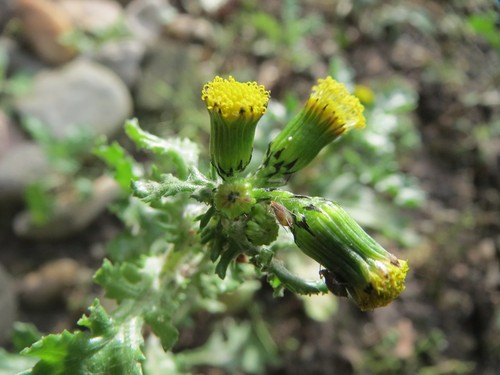
How to Care for Groundsel
Groundsel is a fast, undemanding annual that thrives in sun to part shade and moist soil, self-seeding readily in cool conditions.
Groundsel Identification Guide
Identify common groundsel (Senecio vulgaris) by its rayless yellow flower heads with black-tipped bracts, deeply lobed leaves, and fluffy white seed clusters.