How to Care for Hackberry
Grow Celtis occidentalis, a tough, fast-growing native shade tree that thrives in full sun and tolerates drought, wind, and urban soils.
Read the full Hackberry encyclopedia entry →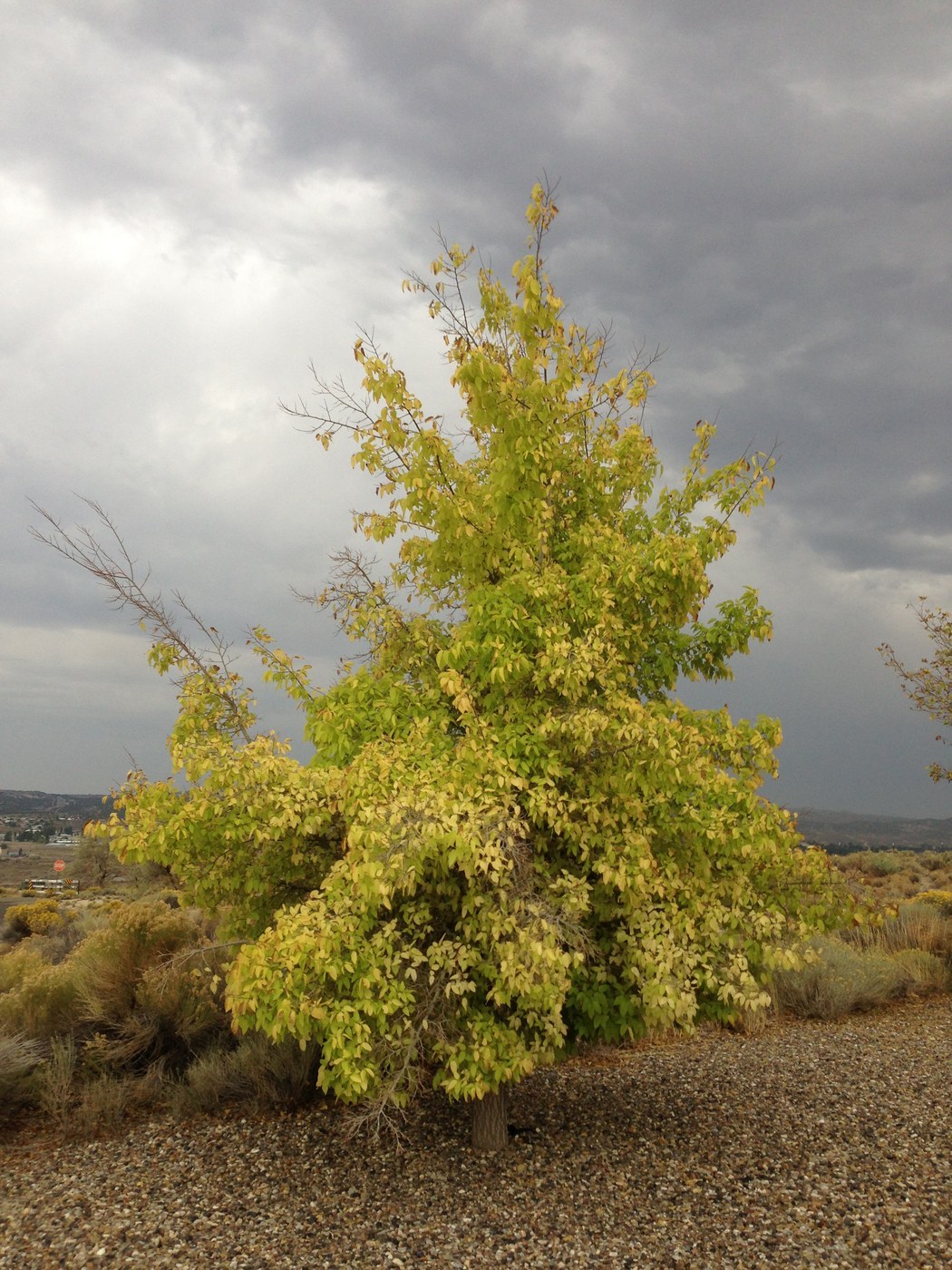
Hackberry (Celtis occidentalis) is a rugged, medium-to-large deciduous shade tree prized for its adaptability, distinctive warty gray bark, and arching canopy. It is one of the easiest landscape trees to establish, shrugging off drought, wind, poor soil, and city conditions once its roots are down.
Light
Give hackberry full sun for the strongest structure and densest canopy. It will accept light or partial shade when young, but open exposure produces a more balanced, wind-firm crown. As a large tree, plant it where it will not be crowded or shaded out by buildings or larger neighbors.
Water
Hackberry is drought-tolerant once established and needs only low to moderate water. During the first two or three growing seasons, water deeply every week or two in dry weather to build a strong root system, soaking the root zone rather than sprinkling lightly. After establishment, it survives on rainfall in most climates, though occasional deep watering during prolonged drought keeps foliage looking fresh.
Soil & Potting
This tree is famously unfussy about soil, growing well in clay, sand, loam, alkaline or acidic ground, and even compacted or periodically wet sites. It tolerates a wide pH range and salt spray better than most shade trees, which is why it is common along streets and parking lots. Provide reasonable drainage and it will thrive; no soil amendment is usually needed.
Humidity & Temperature
Hackberry is very cold-hardy, thriving roughly through USDA zones 3 to 9, and it handles hot, dry summers and gusty exposed sites with ease. Ambient humidity is not a concern. Its broad tolerance of temperature swings makes it a dependable choice for continental climates with harsh winters and hot summers.
Feeding
Established hackberries rarely need fertilizer. On poor soils or for young trees you want to push, apply a balanced slow-release tree fertilizer in early spring, following label rates. A ring of organic mulch over the root zone slowly feeds the soil and is usually all a mature specimen requires.
Propagation
Hackberry is most often grown from seed. Collect the small round drupes in fall, clean off the flesh, and give the seed a period of cold, moist stratification (about 60 to 90 days) before sowing in spring; germination is generally reliable. Named cultivars are propagated by grafting or budding onto seedling rootstock to preserve their form.
Repotting / Pruning
Because it becomes a large tree, hackberry is a landscape plant rather than a container subject long-term. Prune in late winter while dormant to establish a strong central leader and well-spaced scaffold branches, removing crossing, weak, or narrow-angled limbs early. Mature trees need only light corrective pruning to remove deadwood. Avoid heavy topping, which spoils the natural arching habit.
Common Problems & Pests
Hackberry is generally trouble-free but prone to a few cosmetic issues. Nipple gall, caused by tiny psyllids, produces harmless bumps on the leaves and rarely warrants treatment. Witches' broom, a cluster of twiggy growth caused by a mite-and-mildew combination, is common but does not seriously harm the tree. Powdery mildew may appear in humid conditions. Good air circulation and cleanup of fallen leaves limit most problems; the tree's vigor usually outpaces any minor pest damage.
Seasonal Care Tips
Plant in spring or fall while temperatures are mild. Mulch the root zone each spring, keeping mulch away from the trunk. Water new trees through their first summers and during droughts. Do structural pruning in late winter dormancy. In fall the foliage turns soft yellow before dropping, and the small fruits ripen; rake leaves from paths as needed. The tough bark and open winter silhouette give year-round landscape interest.
Frequently asked questions
How fast does a hackberry tree grow?
Hackberry is a fast grower, often adding one to two feet or more per year when young in good conditions, quickly forming a shade canopy. Growth slows as the tree matures into its broad, arching form.
Can hackberry handle drought and poor soil?
Yes. Once established, hackberry is highly drought-tolerant and thrives in clay, sand, alkaline, compacted, or urban soils, tolerating wind and salt better than most shade trees. Deep watering in its first few years builds that resilience.
Is the warty bark and leaf galling a problem?
No. The corky, warty gray bark is a normal ornamental feature, and the small nipple galls caused by psyllids are cosmetic. Neither harms the tree's health, so no treatment is needed.
When should I prune a hackberry?
Prune in late winter while the tree is dormant. Train young trees to a strong central leader with well-spaced branches, and remove only deadwood or crossing limbs on mature trees. Avoid heavy topping.
Hackberry identified by the community
Recent Hackberry specimens identified with Plant Identifier.