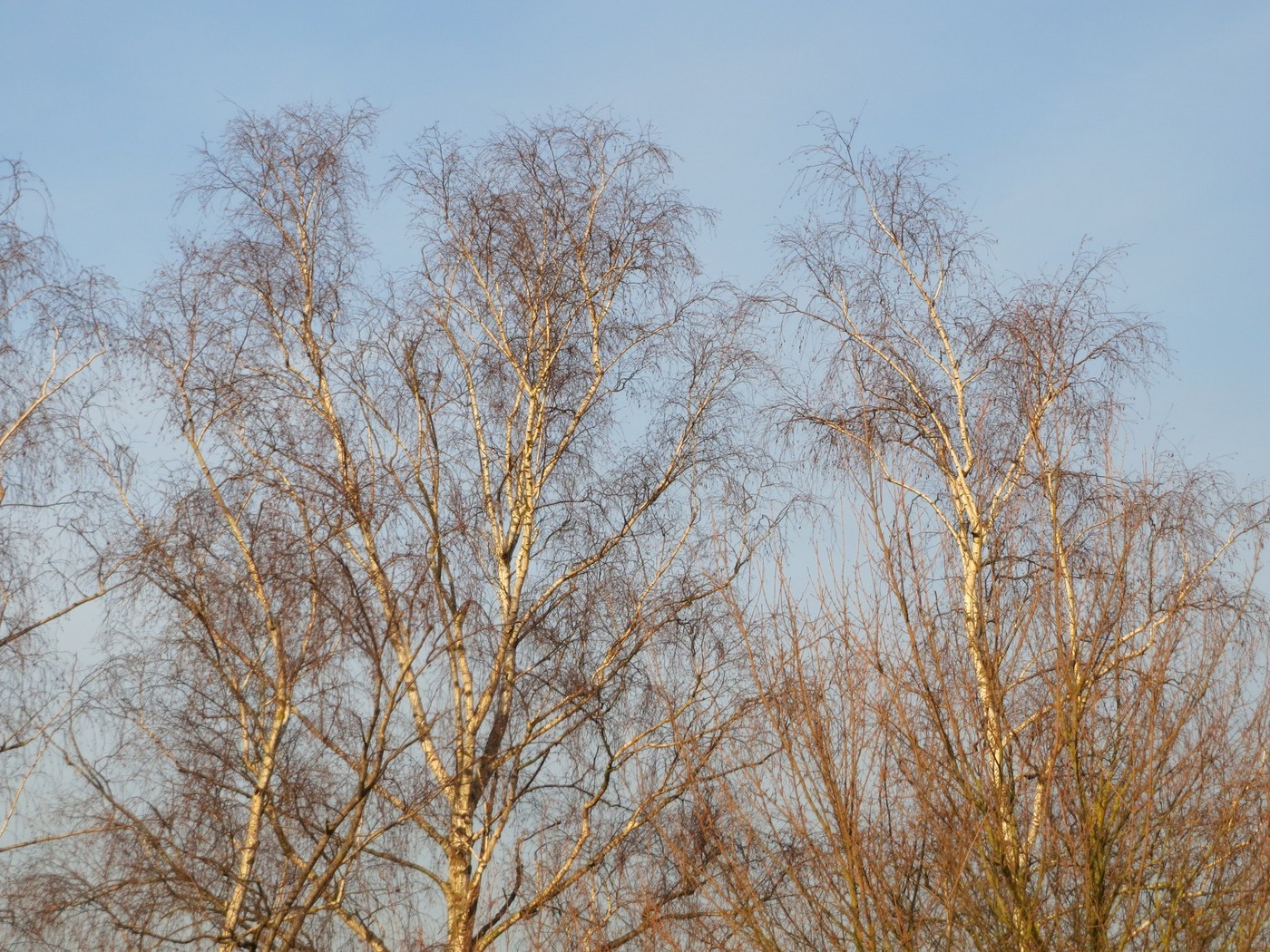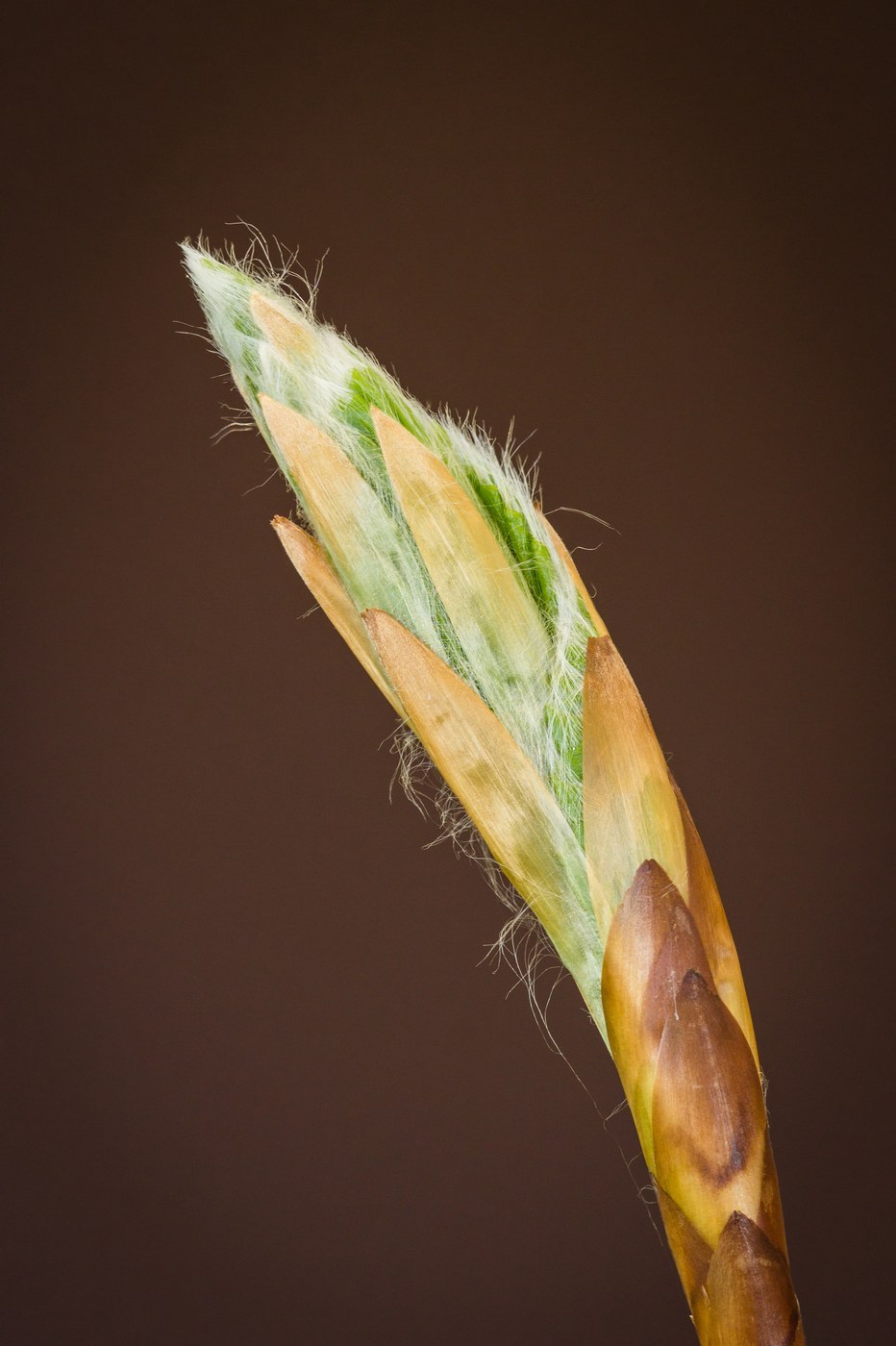
Hackberry
Celtis occidentalis
A tough, adaptable North American shade tree with distinctive warty, corky bark and small dark berries relished by birds. It tolerates drought, wind, poor soil, and urban conditions with ease.
- Light
- Full sun
- Water
- Low to moderate; drought-tolerant
- Difficulty
- Easy
Got a plant like this?
Identify any plant from a photo, free.
Overview
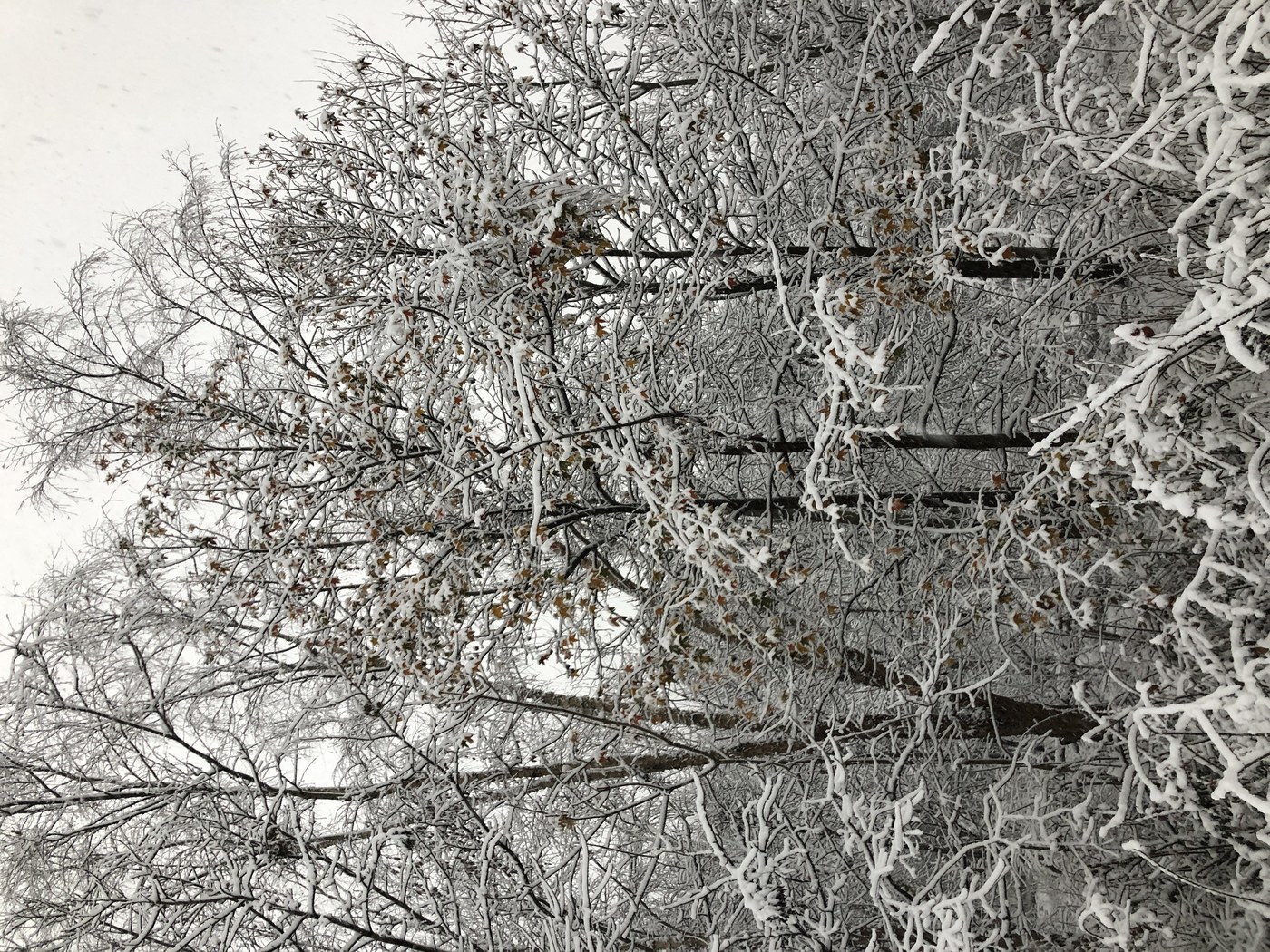
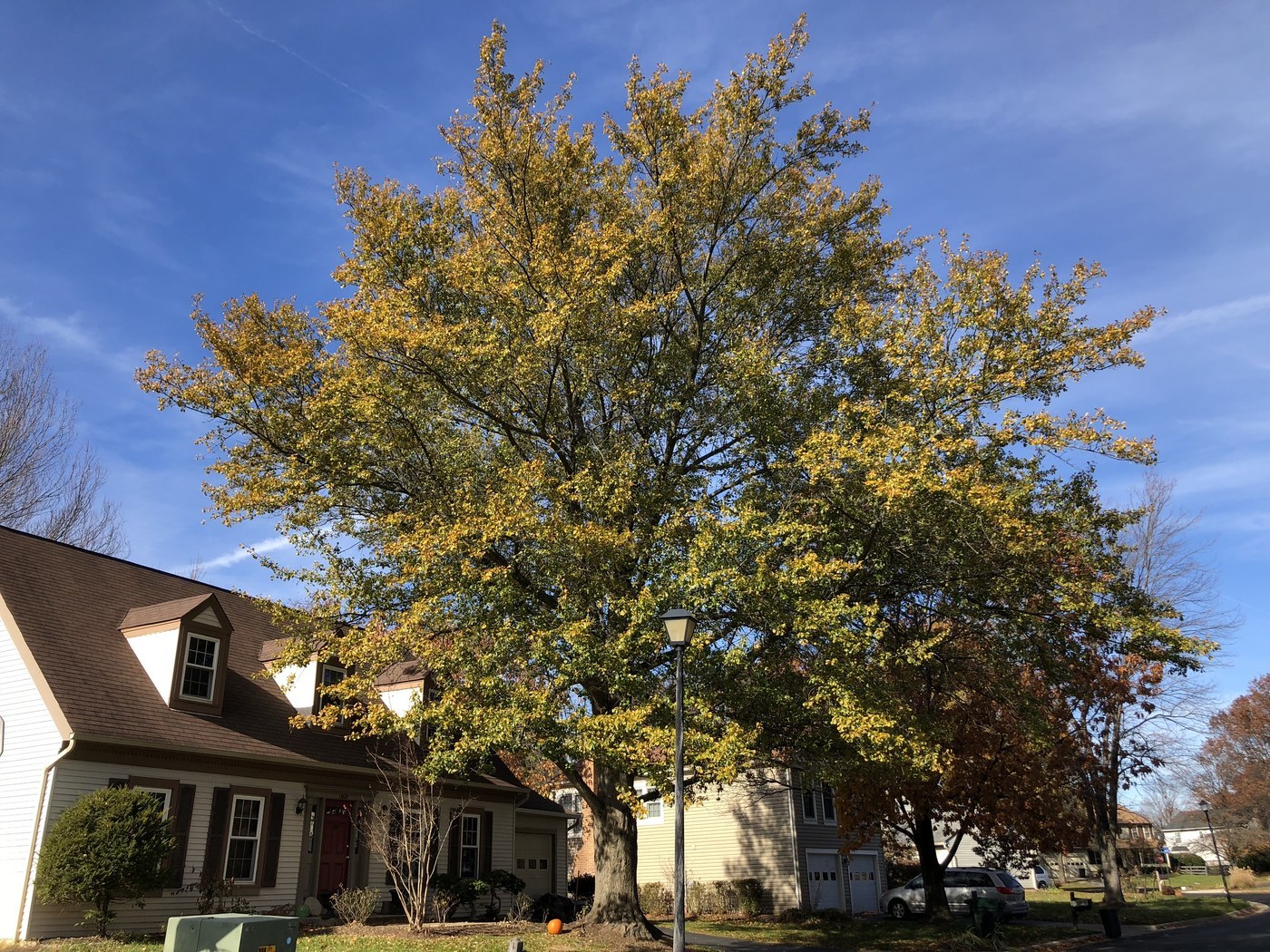
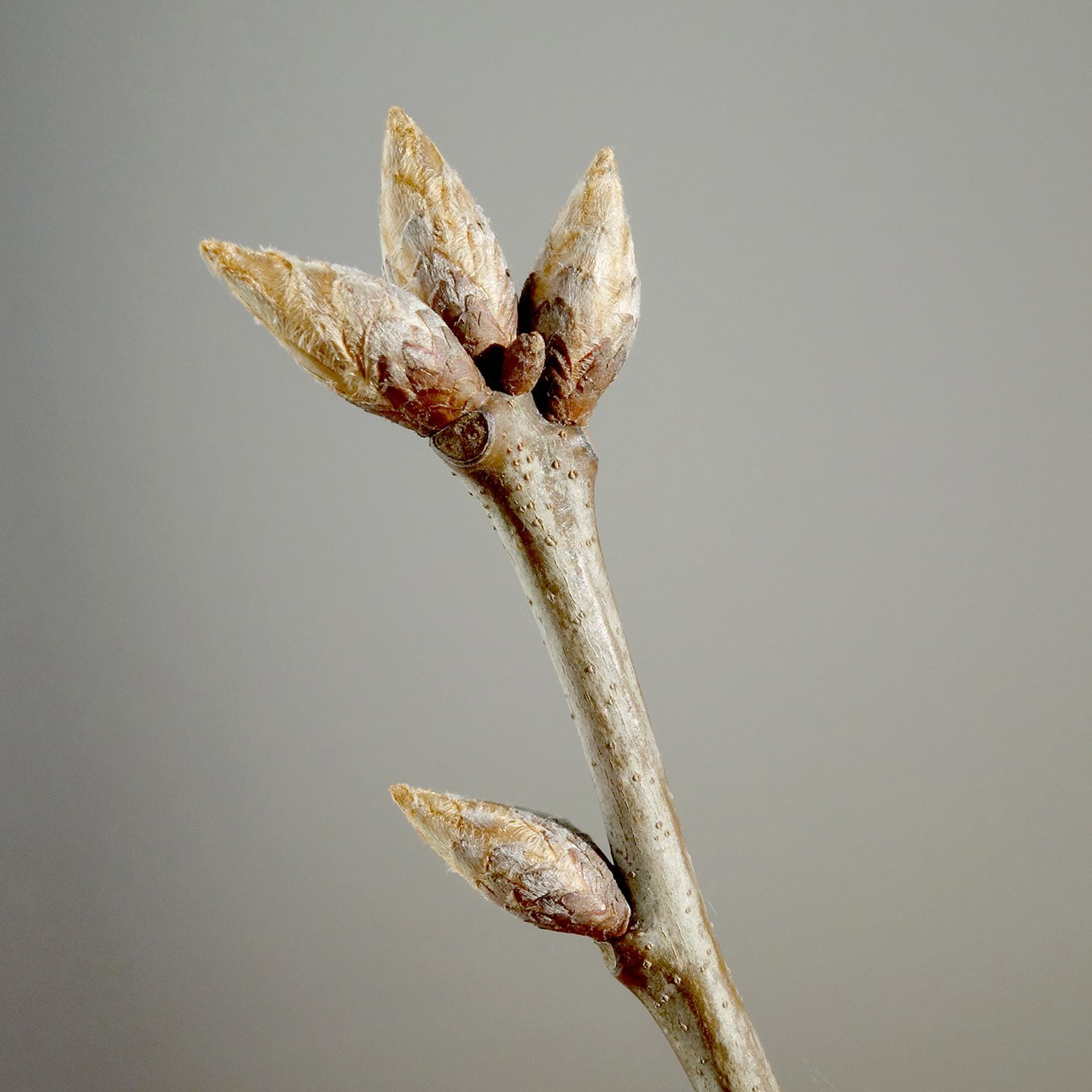
Common hackberry is a medium to large deciduous tree native to central and eastern North America, valued as a durable, low-maintenance shade and street tree. It is closely related to elms and shares their asymmetrical leaf bases.
Its most recognizable feature is the warty, corky, ridged bark, unlike that of almost any other native tree. The small, pea-sized fruits ripen dark purple and draw many birds and small mammals.
Hackberry is exceptionally tolerant of tough conditions, including drought, wind, flooding, alkaline soil, and urban pollution, which makes it a dependable choice where more delicate trees fail. It often shows harmless cosmetic quirks like nipple galls and witches'-broom.
How to identify it
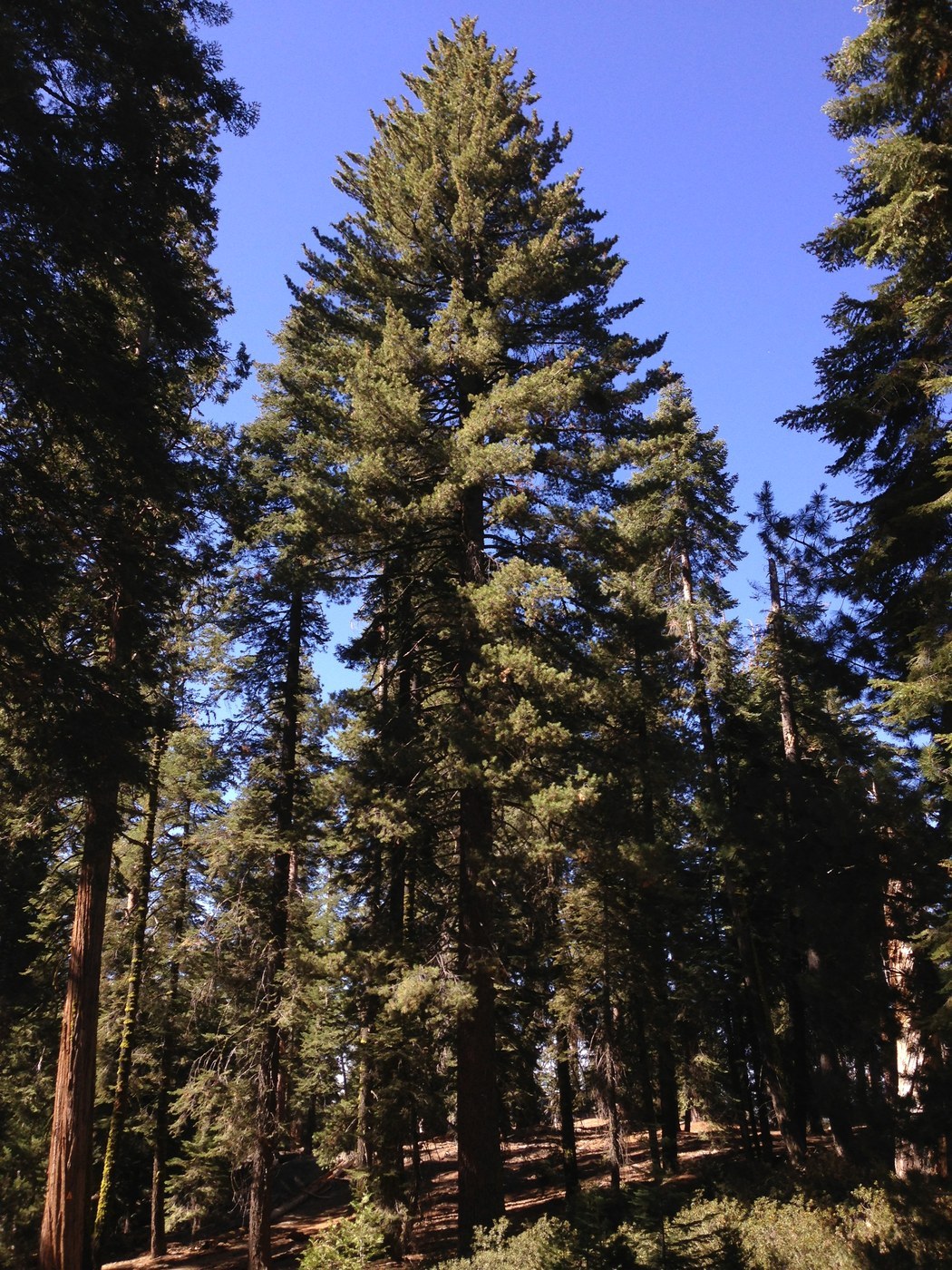
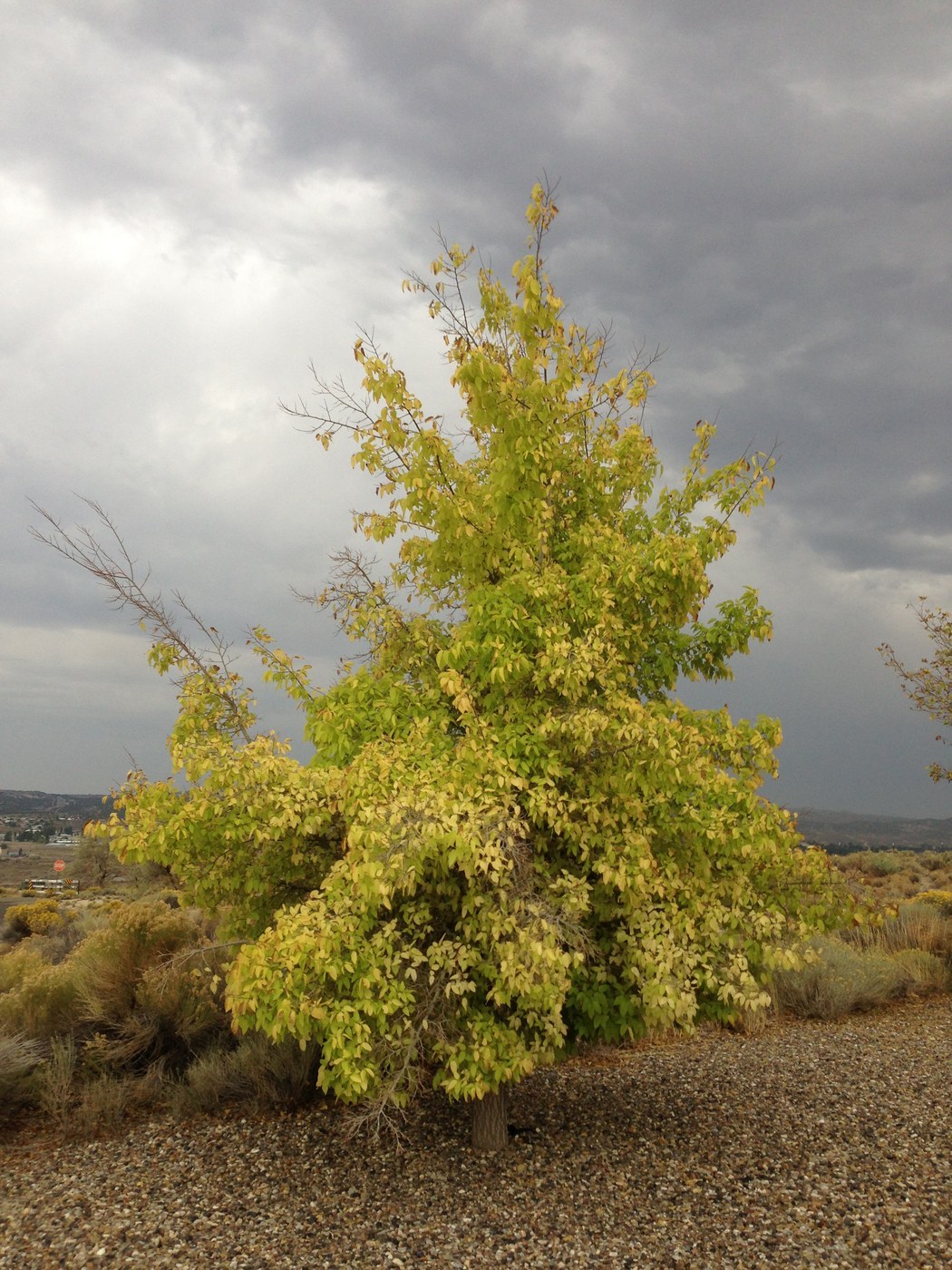
- Medium to large deciduous tree, typically 40 to 60 ft (12 to 18 m), occasionally taller, with an arching, rounded crown
- Distinctive gray bark covered in corky, warty ridges and bumps
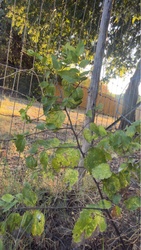
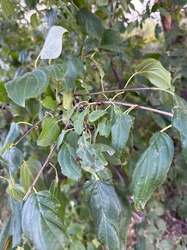
- Alternate, ovate leaves with a sharply toothed margin, a long-tapering tip, and an asymmetrical (uneven) base
- Inconspicuous greenish flowers in spring
- Small, round, pea-sized drupes ripening from orange-red to dark purple, persisting into winter, each with a single hard seed
Care & growing
Light: Full sun.
Water: Low to moderate; very drought-tolerant once established but also tolerates occasional flooding.
Soil: Extremely adaptable, growing in dry, rocky, sandy, clay, and alkaline soils.
Temperature: Very cold-hardy and heat-tolerant across a wide range of temperate climates.
Feeding: Rarely needed; thrives with little care.
Propagation: From seed (cold stratification helps); commonly grown as a tough urban and shelterbelt tree.
Habitat & origin
Native to central and eastern North America, from southern Canada through the Great Plains and eastern United States.
It grows naturally in floodplains, river valleys, woodland edges, and rocky slopes, and tolerates a wide range of sites. It is widely planted as a street, park, and windbreak tree, especially in difficult urban and prairie conditions.
Frequently asked questions
How can I identify a hackberry tree?
Look for the unmistakable warty, corky bumps and ridges on the gray bark, plus alternate toothed leaves with a long tip and an uneven base, and small dark berries in fall.
Is hackberry a good tree for tough city conditions?
Very much so. It withstands drought, wind, poor and alkaline soils, pollution, and even occasional flooding, making it a dependable urban and prairie shade tree.
What are the warty bumps and broom-like growths on hackberry?
The corky bumps are the tree's natural bark texture. Witches'-broom and nipple galls are common, largely cosmetic conditions caused by mites and fungi that rarely harm the tree.
Hackberry guides
In-depth guides for identifying, growing, and caring for Hackberry.
How to Care for Hackberry
Grow Celtis occidentalis, a tough, fast-growing native shade tree that thrives in full sun and tolerates drought, wind, and urban soils.
Hackberry Identification Guide
Identify hackberry (Celtis occidentalis) by its distinctive warty corky bark, asymmetrical toothed leaves with three main veins from the base, and small dark single-stoned berry-like drupes.
Hackberry identified by the community
Real specimens identified with Plant Identifier.