
How to Care for Hardy Geranium
Grow the bloody cranesbill (Geranium sanguineum): an easy, long-blooming perennial for sun or part shade in well-drained garden soil.
Read the full Hardy Geranium encyclopedia entry →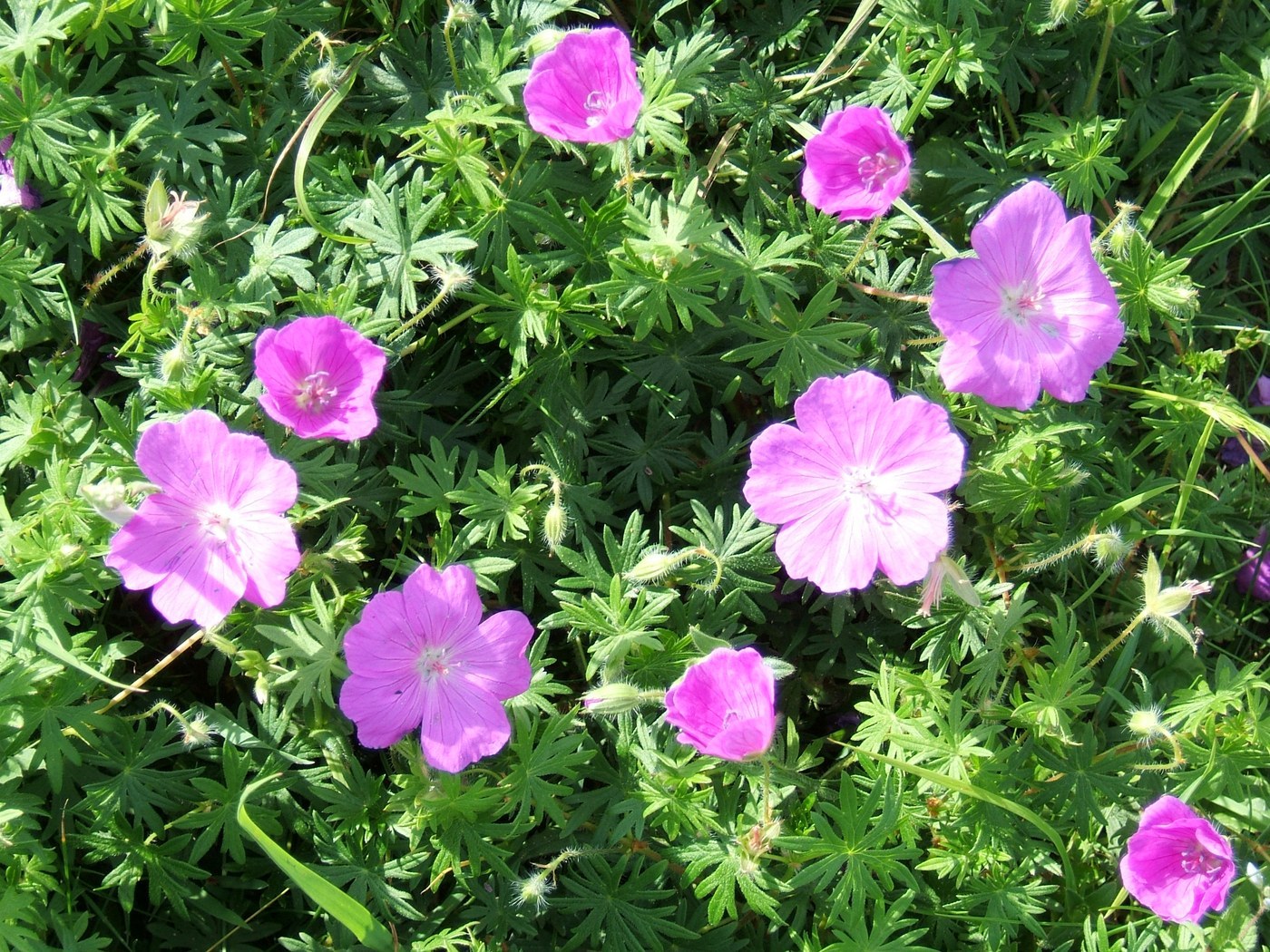
Hardy geranium, or bloody cranesbill, is a tough, mounding perennial prized for its magenta-to-pink saucer flowers over deeply cut foliage. It is one of the most forgiving hardy perennials and thrives with little intervention once settled.
Light
Give hardy geranium full sun to part shade. In cool and temperate climates it flowers most freely in full sun, while in hot-summer regions a spot with afternoon shade keeps foliage fresh and extends bloom. Deep shade reduces flowering and produces floppy, open growth.
Water
Provide moderate, even moisture, especially through the first growing season while roots establish. Once mature, this is a drought-resilient perennial that shrugs off short dry spells. Water deeply and less often rather than shallow daily sprinkles, and avoid waterlogged soil.
Soil & Potting
Almost any well-drained garden soil suits it, from sandy to loamy. It tolerates lean soils and a range of pH, though a neutral to slightly alkaline soil is ideal. If growing in a container, use a free-draining loam-based mix and ensure the pot has generous drainage holes.
Humidity & Temperature
A cold-hardy perennial, it withstands hard winter freezes and returns reliably each spring, dying back to a crown in cold zones. It prefers temperate summers; in very hot, humid climates give it airflow and afternoon shade to prevent mildew and leaf scorch.
Feeding
Hardy geranium needs little feeding. A single spring application of balanced granular fertilizer or a topdressing of compost is plenty. Overfeeding produces lush leaves at the expense of flowers and can make the mound flop open.
Propagation
Divide established clumps in early spring or autumn every few years to rejuvenate them and multiply your stock. It also spreads slowly by rhizomes, and self-sown seedlings often appear nearby. Basal cuttings taken in spring root readily.
Repotting / Pruning
After the main flush of bloom, shear the whole plant back by about half to remove tired foliage and spent flowers; fresh new leaves and a lighter second flush usually follow. Lift and divide crowded clumps every three to four years. Container plants can be repotted in spring.
Common Problems & Pests
Hardy geranium is largely trouble-free. In humid conditions watch for powdery mildew and rust on the leaves; improve airflow and cut back affected growth. Slugs and vine weevil may nibble young foliage, and occasional aphids can be rinsed off. Root rot occurs only in persistently soggy soil.
Seasonal Care Tips
In spring, top-dress with compost and remove winter-damaged leaves. Shear after the first bloom in early to mid summer for a repeat show. In autumn, cut back spent foliage as it fades. In cold zones the plant is fully hardy and needs no winter protection.
Frequently asked questions
Why isn't my hardy geranium flowering well?
The most common cause is too much shade or excess nitrogen fertilizer. Move it to a sunnier spot and cut back on feeding; shearing after the first flush also triggers more blooms.
Should I cut hardy geranium back after it blooms?
Yes. Shearing the whole mound by about half after the main flush removes tired foliage and often brings on fresh leaves and a lighter second round of flowers.
How do I propagate hardy geranium?
Divide established clumps in spring or autumn, take basal cuttings in spring, or transplant self-sown seedlings that appear around the parent plant.
Does hardy geranium survive winter?
Yes, it is a fully cold-hardy perennial. In cold climates it dies back to the crown and reliably re-sprouts in spring with no winter protection needed.