
How to Care for Harebell
Grow delicate nodding blue harebell bells in sunny, sharply drained soil. An easy, airy native perennial for rock gardens and meadows.
Read the full Harebell encyclopedia entry →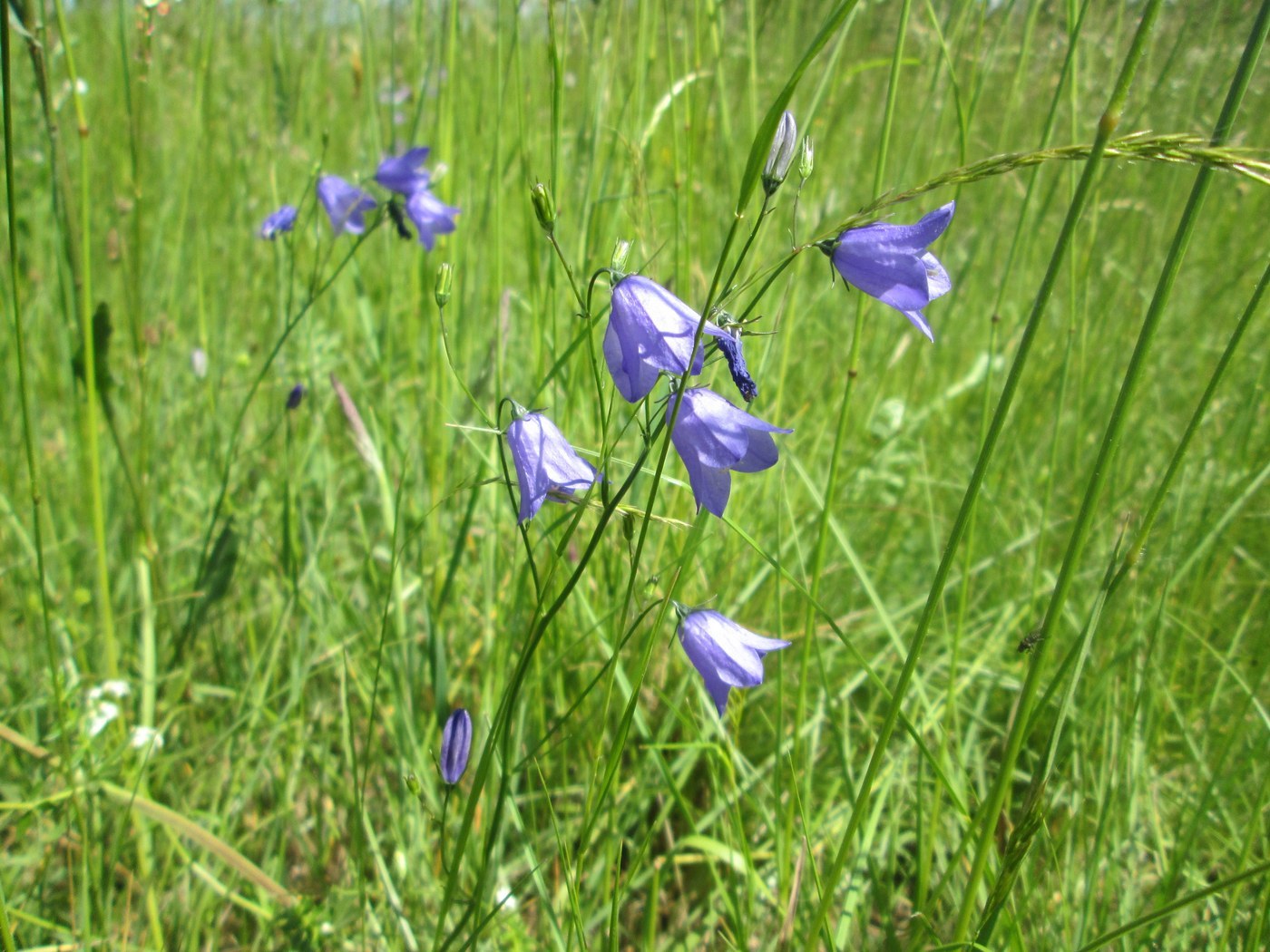
Harebell (Campanula rotundifolia) is a dainty, wiry-stemmed perennial that dangles nodding, bell-shaped blue-violet flowers on threadlike stalks all summer. It is an easy, adaptable plant that thrives in lean, well-drained soils and looks at home in rock gardens, gravel beds, wildflower meadows, and cottage borders.
Light
Give harebell full sun to partial shade. In cool-summer climates it flowers most freely in full sun, while in hotter regions a little afternoon shade keeps the wiry stems from scorching and prolongs bloom. Too much shade produces floppy, sparse growth.
Water
Water is low to moderate. Harebell is drought-tolerant once established and resents soggy conditions, so let the soil surface dry between waterings. During the first season, water enough to establish deep roots, then rely largely on rainfall except in extended dry spells.
Soil & Potting
Sharp drainage is the single most important requirement. Plant in lean, gritty, neutral to slightly alkaline soil; sandy loams and rocky, low-fertility ground suit it perfectly. Rich, heavy soils encourage lush foliage at the expense of flowers and can cause winter rot. In containers, use a free-draining mix amended with grit or coarse sand.
Humidity & Temperature
A cool-climate native, harebell is very cold-hardy and prefers moderate temperatures with good air circulation. It dislikes hot, humid, stagnant conditions; open, breezy sites reduce the chance of rot and mildew.
Feeding
Feed sparingly. Harebell is adapted to poor soils, so heavy fertilizing weakens it. A single light application of a balanced, slow-release fertilizer in spring is plenty; in decent garden soil it needs none at all.
Propagation
Propagate by seed, division, or self-sowing. Surface-sow the fine seed in spring or fall, as it needs light to germinate, and keep just moist. Established clumps can be divided in early spring. Harebell also self-seeds gently in gravel and cracks, spreading naturally without becoming aggressive.
Repotting / Pruning
Deadhead spent flowers to encourage a longer bloom and limit self-seeding where unwanted. Shear plants back lightly after the main flush to tidy the wiry mounds and sometimes prompt rebloom. Divide and replant crowded clumps every few years in spring to keep them vigorous.
Common Problems & Pests
Harebell is largely trouble-free. The main risk is root and crown rot from wet, heavy soil, so prioritize drainage. Slugs and snails may nibble young shoots, and powdery mildew can appear in humid, crowded plantings; spacing plants for airflow prevents most issues. Aphids occasionally cluster on stems and are easily rinsed off.
Seasonal Care Tips
In spring, divide clumps and sow seed. Through summer, deadhead regularly and water only in drought. In fall, allow some seed heads to ripen if you want natural spread, and cut back tired foliage. In winter the plant is fully hardy and needs no protection beyond the sharp drainage that keeps roots from sitting in cold, wet soil.
Frequently asked questions
Why is my harebell flopping and producing few flowers?
This usually means too much shade or overly rich, moist soil. Move it to a sunnier, breezier spot with lean, gritty, well-drained soil and cut back on feeding to get sturdier stems and more blooms.
Does harebell come back every year?
Yes. It is a hardy perennial that returns each year and often self-sows gently, so a small planting slowly naturalizes into an airy drift over time.
Can I grow harebell in a container?
Yes, provided the pot drains freely. Use a gritty, low-fertility mix, water only when the surface dries, and site it in full sun to light shade.
How do I keep harebell blooming longer?
Deadhead spent flowers regularly and shear the plant back lightly after the first flush. Consistent removal of faded blooms extends the display through much of summer.