
How to Care for Heartleaf Philodendron
A forgiving trailing houseplant with glossy heart-shaped leaves that thrives in low to bright indirect light with minimal fuss.
Read the full Heartleaf Philodendron encyclopedia entry →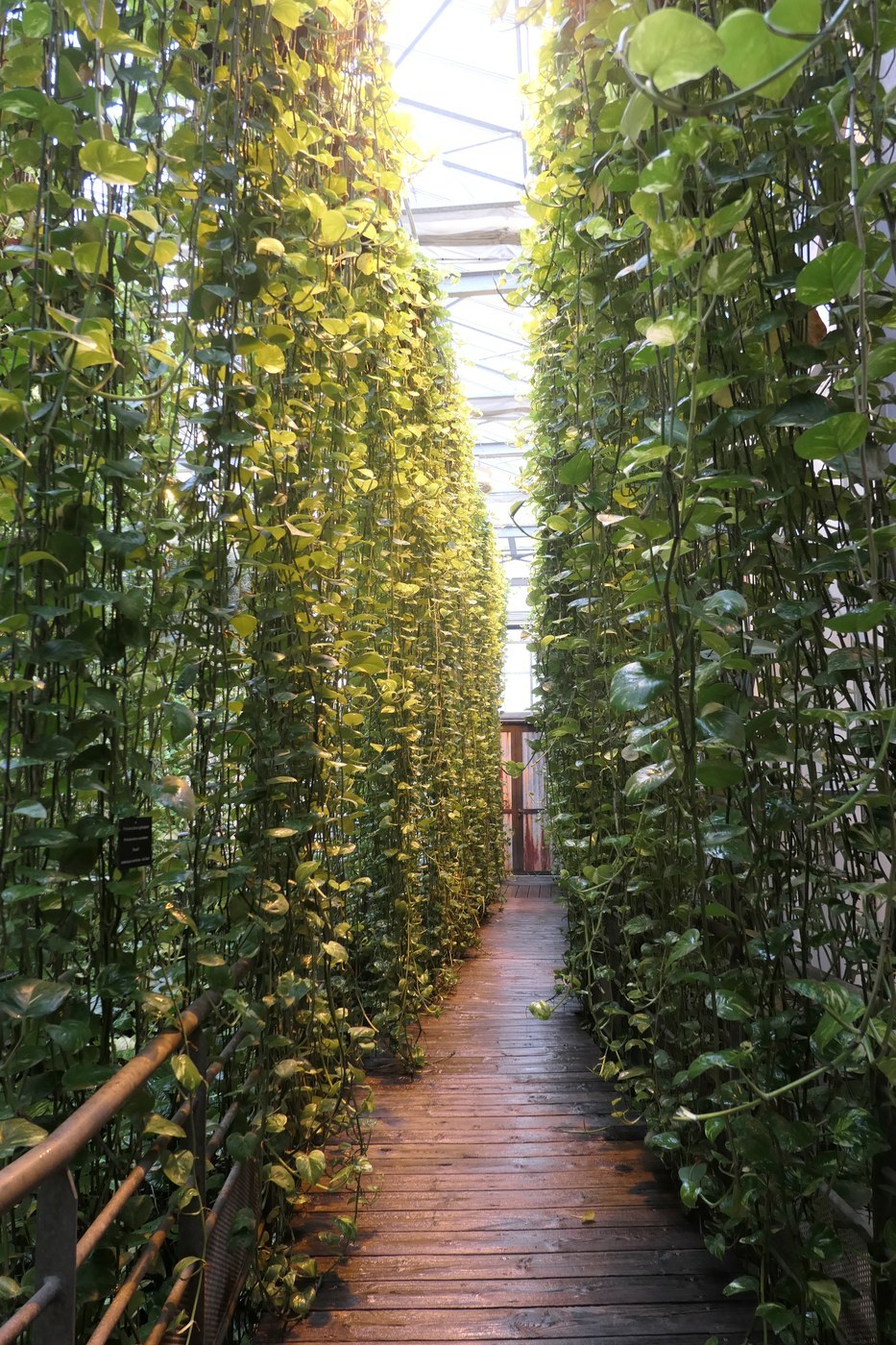
The Heartleaf Philodendron (Philodendron hederaceum) is one of the most adaptable trailing houseplants you can grow, prized for its cascading vines of glossy, heart-shaped foliage. Its easygoing nature makes it a reliable choice for beginners and low-light corners alike.
Light
This philodendron tolerates a wide range, from low light to bright indirect light. It grows fastest and stays fullest in bright, filtered light near an east or north window. Avoid harsh, direct midday sun, which can scorch and bleach the leaves. In very dim spots growth slows and internodes stretch, so rotate the pot occasionally for even, balanced growth.
Water
Water when the top inch of soil dries out. Soak the soil thoroughly until water drains from the bottom, then empty the saucer. Let the surface dry again before the next watering. This plant is more forgiving of a missed watering than of soggy roots, so err on the drier side. Drooping, limp leaves usually signal thirst and perk up quickly after a drink.
Soil & Potting
Use a light, well-draining aroid mix. A blend of standard potting soil with added perlite, orchid bark, and a little coco coir gives the airy structure the roots prefer. Always plant in a container with drainage holes to prevent water pooling at the base.
Humidity & Temperature
Average household humidity is fine, though the plant appreciates moderate to higher humidity, which encourages larger leaves. Keep temperatures between roughly 65 and 80 F (18 to 27 C). Protect it from cold drafts, air-conditioning vents, and sudden temperature swings.
Feeding
Feed monthly during spring and summer with a balanced, diluted liquid houseplant fertilizer. Reduce or stop feeding in fall and winter when growth naturally slows. Over-fertilizing can cause salt buildup, so flush the soil with plain water occasionally.
Propagation
Extremely easy to propagate from stem cuttings. Snip a 4 to 6 inch section just below a node, remove the lowest leaf, and root it in water or directly in moist potting mix. Roots typically appear within one to two weeks. Pot up several rooted cuttings together for a fuller display.
Repotting / Pruning
Repot every one to two years, or when roots circle the pot, moving up one container size in spring. Prune leggy vines anytime to encourage bushier growth, cutting just above a node. Regular pinching keeps the plant compact and full rather than sparse and trailing.
Common Problems & Pests
Yellowing leaves often point to overwatering, while crispy brown edges suggest underwatering or very dry air. Watch for aphids, mealybugs, and spider mites, especially on new growth; wipe leaves and treat with insecticidal soap if pests appear. Leggy, sparse vines indicate insufficient light.
Seasonal Care Tips
Growth is most active in spring and summer, so concentrate feeding and repotting then. In winter, cut back on water and pause fertilizer as the plant rests. Keep it away from cold windowpanes during the coldest months.
Frequently asked questions
Can a Heartleaf Philodendron grow in low light?
Yes, it tolerates low light better than most houseplants, though growth slows and vines stretch. For fuller foliage, give it bright indirect light.
How often should I water my Heartleaf Philodendron?
Water when the top inch of soil feels dry, roughly once a week depending on conditions. Always let excess water drain away and avoid leaving the roots soggy.
Why are the leaves turning yellow?
Yellow leaves most often indicate overwatering or poor drainage. Let the soil dry more between waterings and make sure the pot has drainage holes.
How do I make my philodendron bushier?
Prune vines just above a node and pinch back long stems. This encourages branching, and you can also root the cuttings and plant them back in the same pot.