Heartleaf Philodendron
Philodendron hederaceum
An easy trailing vine with glossy, heart-shaped leaves that thrives in a wide range of conditions. Often confused with pothos but with softer, thinner leaves.
- Light
- Low to bright indirect light
- Water
- When top inch dries
- Difficulty
- Easy
Got a plant like this?
Identify any plant from a photo, free.
Overview
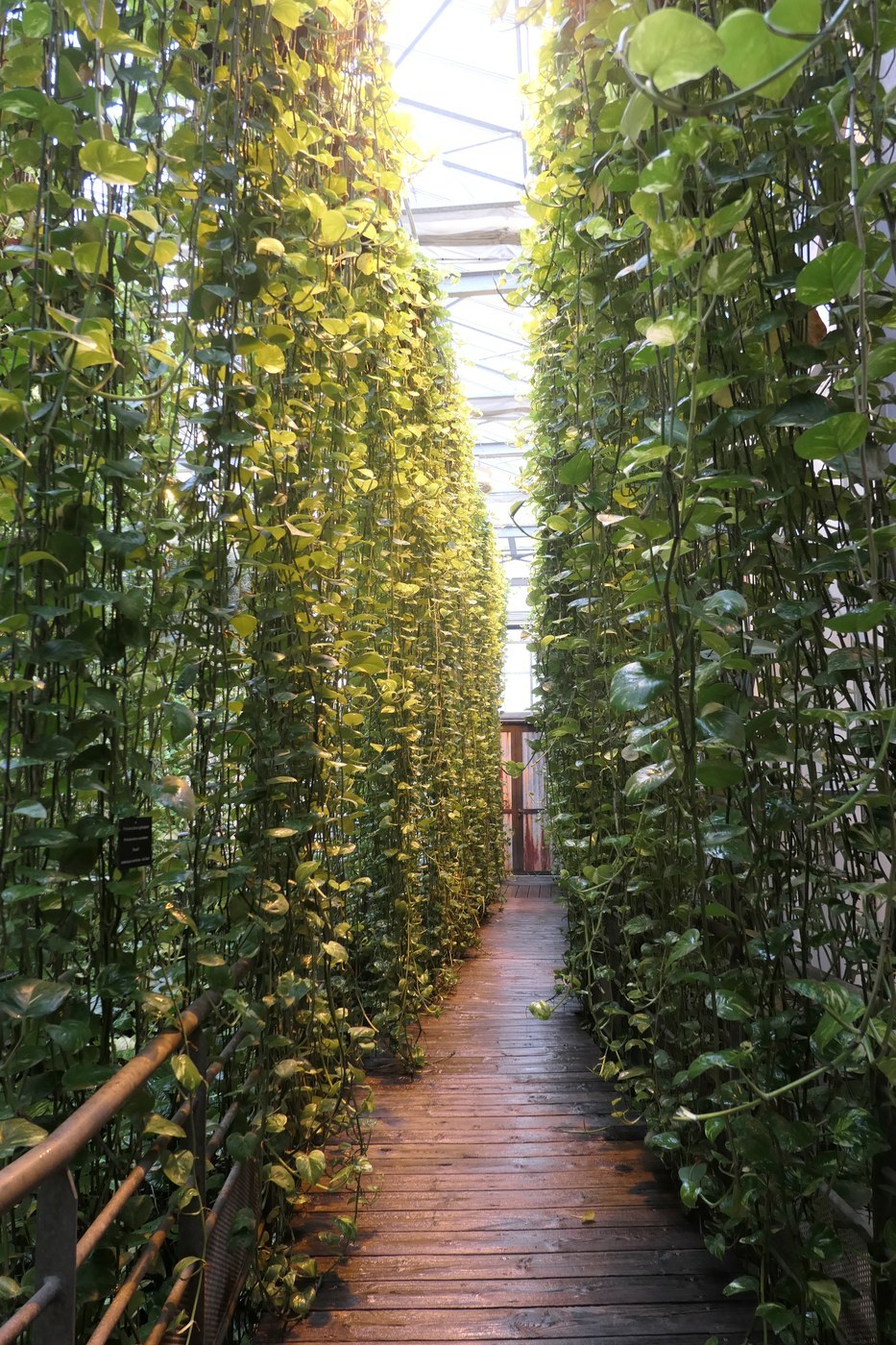
The Heartleaf Philodendron is a classic, low-maintenance trailing vine grown for its glossy, heart-shaped green leaves on slender stems. It is one of the most forgiving houseplants, tolerating low light and irregular care, which has made it a staple since Victorian times.
It is frequently mistaken for pothos, but its leaves are thinner, softer and more uniformly heart-shaped, and new growth often emerges with a bronze or reddish tint. It trails beautifully or climbs a support, growing quickly in warm conditions.
How to identify it
Recognize it by trailing stems of soft, glossy, heart-shaped green leaves with pointed tips.
- Leaves: heart-shaped, thin, glossy deep green; new leaves often bronze-tinted
- Stems: slender, trailing or climbing, rooting at nodes
- Habit: fast-growing vine; trails several feet
- Versus pothos: leaves are thinner, softer and more symmetrical; petioles are rounder
Care & growing
Tolerates low to bright indirect light; bright indirect light gives the fullest growth, while it survives in shadier spots.
- Water: when the top inch of soil dries; tolerant of occasional missed waterings
- Soil: well-draining potting mix
- Temperature: 18 to 27 C; keep above 13 C
- Humidity: average to high
- Feeding: balanced fertilizer monthly in spring and summer
- Propagation: very easy from stem cuttings in water or soil; pinch tips to keep it bushy
Habitat & origin
Native to Central America and the Caribbean, where it grows as a climbing vine in warm, humid tropical forests, scrambling up tree trunks toward the light. It is grown worldwide as one of the most popular and beginner-friendly trailing houseplants.
Frequently asked questions
How is it different from pothos?
Heartleaf philodendron has thinner, softer, more symmetrical leaves and bronze-tinted new growth, while pothos leaves are thicker, often more variegated, and slightly less heart-shaped.
How do I make it bushier?
Pinch back the growing tips regularly and give it bright indirect light. Cuttings can be planted back into the same pot to fill it out.
Can it climb?
Yes, it climbs readily on a moss pole or trellis using aerial roots, or it can simply trail from a hanging pot.
Why are the new leaves a different color?
New growth often emerges bronze or reddish before maturing to deep glossy green, which is a normal trait that helps distinguish it from pothos.
Heartleaf Philodendron guides
In-depth guides for identifying, growing, and caring for Heartleaf Philodendron.

How to Care for Heartleaf Philodendron
A forgiving trailing houseplant with glossy heart-shaped leaves that thrives in low to bright indirect light with minimal fuss.
Heartleaf Philodendron Identification Guide
Identify the Heartleaf Philodendron (Philodendron hederaceum) by its soft, matte heart-shaped leaves, trailing vines, and reddish new growth from papery sheaths.