
How to Care for Heather
Grow Heather in full sun and moist, acidic, well-drained soil for a carpet of tiny blooms and evergreen foliage.
Read the full Heather encyclopedia entry →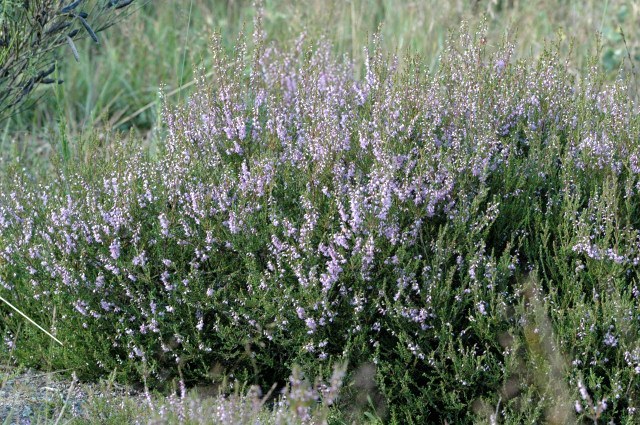
Heather (Calluna vulgaris) is a low, evergreen shrub prized for its dense mats of tiny blooms and colorful foliage. It is a moderate-care plant that depends on acidic, well-drained soil and full sun to thrive.
Light
Plant Heather in full sun for the most abundant flowering and the richest foliage color. In too much shade the plants grow open and floppy, bloom sparsely, and lose the golden, bronze, or silvery tints that many cultivars develop. A minimum of six hours of direct sun daily is ideal.
Water
Heather likes moderate, even moisture in soil that is moist yet well-drained. Water regularly while establishing and during dry spells, keeping the root zone from drying out completely. Established plants tolerate short dry periods but resent both drought and standing water. Rainwater is preferable in hard-water areas.
Soil & Potting
Acidic soil is essential. Heather demands a low-pH, humus-rich, sharply drained medium and will not thrive in alkaline or heavy clay soils. Amend with ericaceous (acidic) compost and grit to improve drainage. In containers, use a dedicated ericaceous potting mix and ensure ample drainage.
Humidity & Temperature
Heather is hardy and suited to cool, temperate climates with open, airy conditions. It withstands cold winters and coastal wind well. It dislikes hot, muggy, stagnant air, so give it good air circulation. Moderate ambient humidity is fine as long as the foliage dries between rains.
Feeding
Feed sparingly. An annual light application of an acidifying, ericaceous fertilizer in spring is plenty. Heather is adapted to lean, acidic soils, and excess feeding produces soft, leggy growth and reduced flowering. Mulch with acidic organic matter to support steady nutrition.
Propagation
Propagate from semi-ripe cuttings in late summer, by layering low stems into the surrounding soil, or by dividing established clumps. Cuttings root best in a gritty, acidic, moist medium with high humidity. Layered stems can be separated once rooted the following season.
Repotting / Pruning
Repot container plants every couple of years into fresh ericaceous mix. The key maintenance task is annual pruning: after flowering, shear off the spent blooms and lightly trim the current season's growth to keep the plant compact and dense. Never cut back into old, leafless wood, as it rarely regrows.
Common Problems & Pests
Heather is generally sturdy but suffers in the wrong soil, where alkaline conditions cause yellowing (chlorosis). Poor drainage invites root rot and fungal dieback, seen as browning patches. Ensure sharp drainage, correct low pH, and good airflow to prevent most issues. Pests are uncommon.
Seasonal Care Tips
Plant in spring or autumn. Water attentively through the first year and any summer drought. Shear lightly right after the flowers fade to maintain form. Refresh acidic mulch in spring and apply the light annual feed then. In cold regions the evergreen foliage provides winter color.
Frequently asked questions
Why is my Heather turning yellow?
Yellowing foliage usually means the soil is too alkaline or poorly drained. Heather requires acidic soil, so amend with ericaceous compost, use rainwater, and improve drainage.
When should I prune Heather?
Prune right after flowering by shearing off spent blooms and lightly trimming the recent growth. Avoid cutting into old bare wood, which does not readily resprout.
Can Heather grow in a pot?
Yes. Use a container with good drainage filled with ericaceous (acidic) potting mix, place it in full sun, and keep it evenly moist, watering with rainwater where possible.
Why is my Heather not flowering well?
Sparse flowering is typically caused by too little sun, over-feeding, or missed post-bloom pruning. Give it full sun, feed lightly, and shear annually to keep it dense and floriferous.