
How to Care for Hebe
Grow lush, ever-flowering Hebe shrubs with the right light, well-drained soil, and moderate, steady watering for tidy mounded form.
Read the full Hebe encyclopedia entry →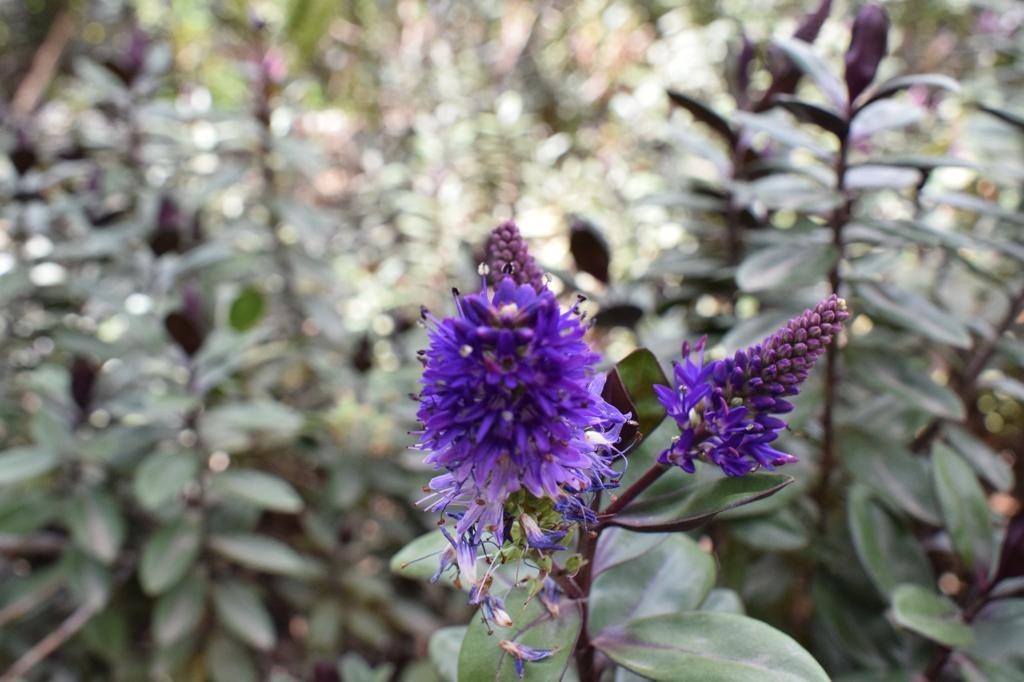
Hebe (Veronica speciosa) is a compact evergreen shrub prized for its dense, rounded habit, glossy paired leaves, and long spikes of tiny densely-packed flowers. It is an easy, forgiving shrub for borders, coastal gardens, and containers where a neat year-round shape is wanted.
Light
Give Hebe full sun to part shade. In cooler climates full sun produces the tightest growth and heaviest flowering, while in hot summer regions a little afternoon shade prevents scorch and keeps the foliage fresh. Too much shade leads to open, leggy stems and sparse bloom.
Water
Water moderately, keeping the soil evenly moist but never soggy. Hebe dislikes both drought stress and waterlogging. Let the surface begin to dry between waterings, then water deeply. Established plants in the ground are fairly drought tolerant, but container plants dry faster and need more frequent attention in summer.
Soil & Potting
Plant in free-draining soil of average fertility. Sandy loams and gritty mixes suit Hebe well; heavy clay should be lightened with grit or compost to prevent root rot. For containers use a quality potting mix with added perlite or coarse sand, and always choose a pot with drainage holes.
Humidity & Temperature
Hebe thrives in mild, temperate and coastal conditions and tolerates wind and salt spray. It prefers cool to moderate temperatures and can struggle in prolonged intense heat. Larger-leaved types are more tender to hard frost, so shelter them or overwinter containers where winters are severe.
Feeding
Feed lightly. A single application of balanced slow-release fertilizer in spring is usually enough. Avoid heavy nitrogen, which encourages soft, floppy growth at the expense of the compact form and flowers. Container plants benefit from a diluted liquid feed every few weeks during the growing season.
Propagation
Hebe roots readily from semi-ripe cuttings taken in late summer. Take 3-4 inch tip cuttings, strip the lower leaves, dip in rooting hormone, and insert into a gritty cutting mix. Keep humid and shaded until rooted in a few weeks, then pot on.
Repotting / Pruning
Lightly trim after flowering to maintain the rounded shape and encourage bushy growth. Hebe responds well to a gentle shaping but resents very hard cutting into old bare wood, which may not resprout. Repot container plants every couple of years in spring, moving up one pot size.
Common Problems & Pests
Root rot from waterlogged soil is the main issue, so drainage is essential. Downy mildew and leaf-spot fungi can appear in damp, crowded conditions; improve airflow and avoid overhead watering. Watch for aphids on new growth and treat with a gentle insecticidal soap.
Seasonal Care Tips
Prune and feed in spring as growth resumes. Water consistently through summer, especially in pots. Deadhead spent flower spikes to tidy the plant and prolong display. In cold-winter areas, mulch the root zone or move tender container specimens to a sheltered spot.
Frequently asked questions
Why is my Hebe becoming leggy and open?
Legginess usually comes from too much shade or skipped trimming. Move it into brighter light and lightly shear after flowering each year to keep the mound dense and compact.
Can Hebe grow in a container?
Yes. Use a well-draining potting mix with added grit in a pot with drainage holes, water when the surface dries, and feed lightly in spring. Container plants dry out faster, so check them often in summer.
How hard can I prune a Hebe?
Stick to light shaping right after flowering. Hebe often fails to resprout from old bare wood, so avoid cutting hard into leafless stems.
Why are the leaves developing spots?
Leaf-spot and downy mildew thrive in damp, crowded conditions. Improve air circulation, avoid wetting the foliage, and remove affected leaves to slow the spread.