Hebe
Veronica speciosa
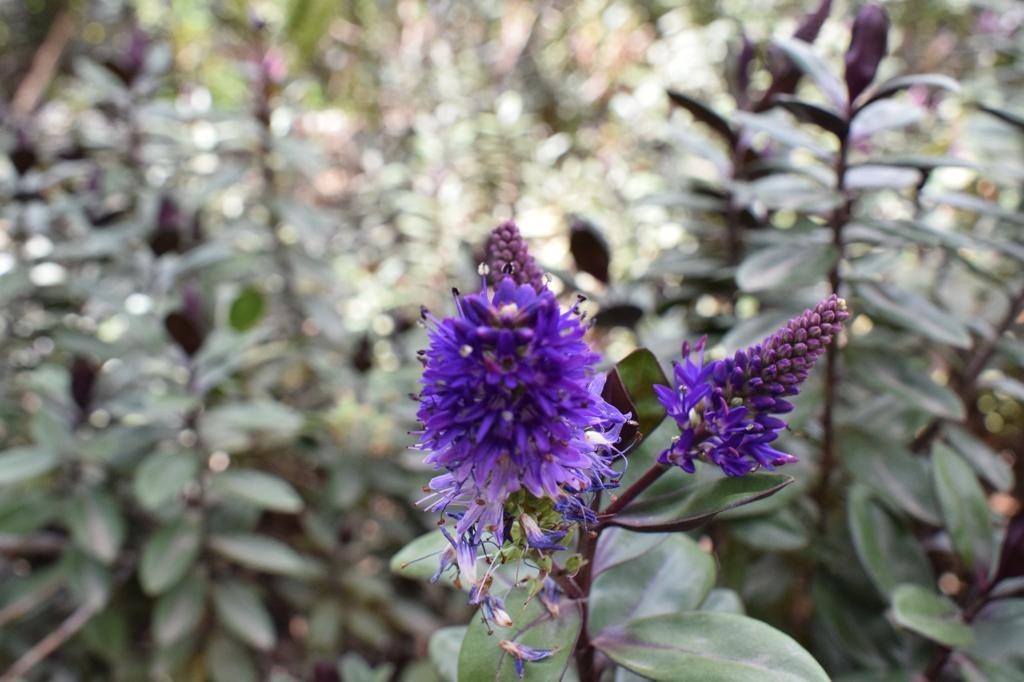
Hebe is a neat evergreen shrub from New Zealand with tidy mounding foliage and bottlebrush-like spikes of purple, pink or white flowers. It is a reliable, pollinator-friendly choice for mild coastal gardens.
- Light
- Full sun to part shade
- Water
- Moderate; keep moist, not soggy
- Difficulty
- Easy
Got a plant like this?
Identify any plant from a photo, free.
Overview
Hebe (now botanically placed in Veronica) is a large group of evergreen shrubs native chiefly to New Zealand. They are loved for their compact, rounded habit and long flowering season.
The plants form dense, leafy mounds and produce spikes of small flowers, often in shades of purple, blue, pink or white, that draw bees and butterflies over many weeks. Foliage may be glossy green or, in whipcord types, reduced to scale-like leaves resembling a conifer.
Hebes thrive in mild, maritime climates and are a mainstay of coastal and seaside plantings, where they tolerate salt, wind and poor soils.
How to identify it
- Flowers: small flowers packed into cylindrical bottlebrush-like spikes, in purple, blue, pink, magenta or white
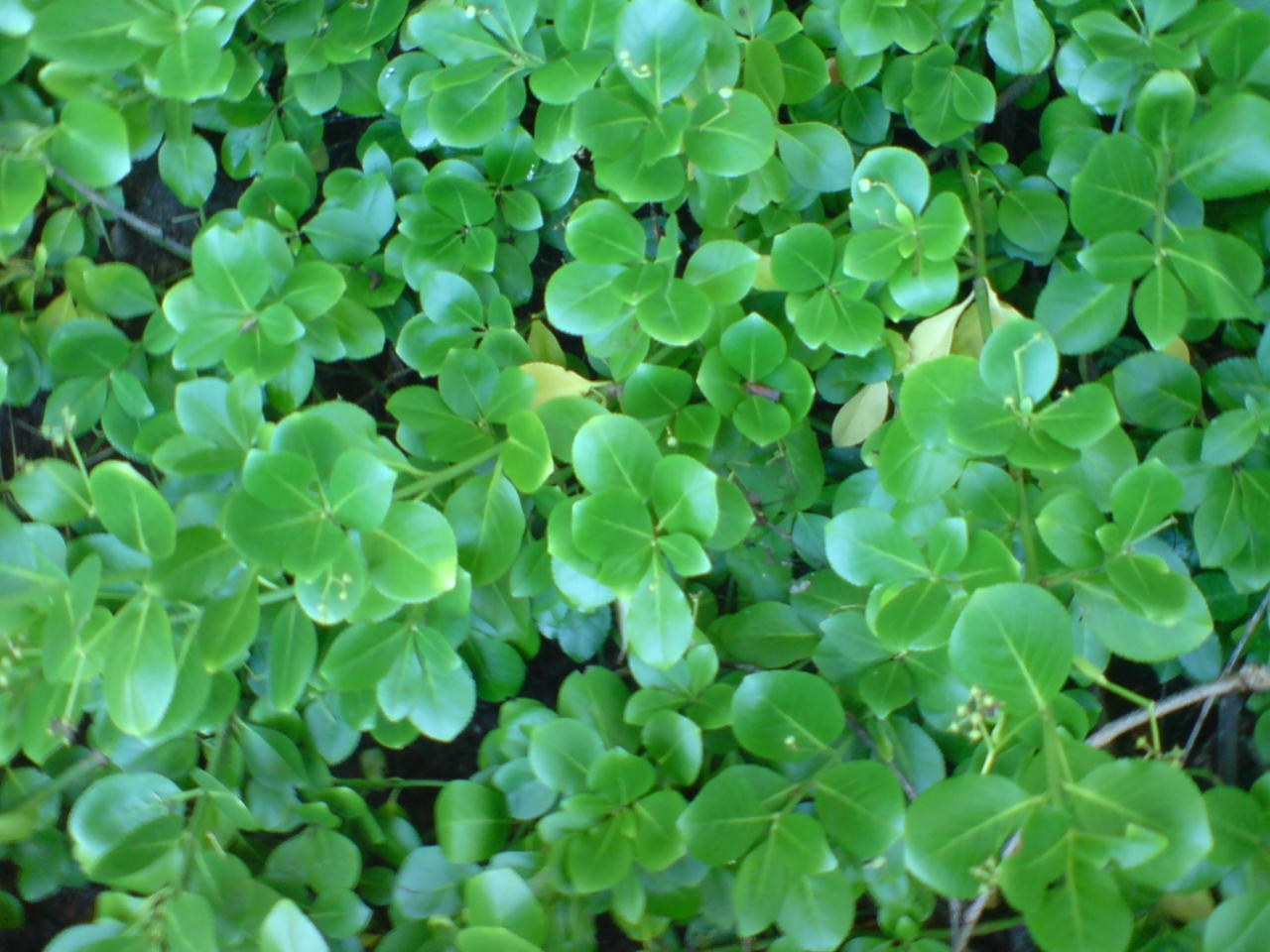
- Leaves: opposite, in neat decussate (cross-paired) rows; broad and glossy in most types, or tiny and scale-like in whipcord forms
- Habit: compact, rounded, mounding evergreen, usually 1 to 5 ft tall and wide
- Stems: densely branched; leaf scars often visible along stems
- Bloom time: late spring through autumn, depending on variety
Care & growing
Grows best in full sun to light shade with shelter from harsh cold.
- Water: moderate; keep moist but never waterlogged
- Soil: well-drained, neutral to slightly alkaline; tolerates poor and coastal soils
- Temperature: mostly USDA zones 8 to 10; large-leaved types are more tender than small-leaved ones
- Feeding: light feeding in spring; avoid excess nitrogen
- Pruning: trim lightly after flowering to keep compact; avoid hard cuts into bare wood
- Propagation: semi-hardwood cuttings root easily in summer
Habitat & origin
Native primarily to New Zealand, with a few species in South America and the Falkland Islands. Hebes grow in coastal cliffs, scrub, grassland and alpine habitats across a wide range of conditions.
In cultivation they are especially popular in the United Kingdom, Ireland, the Pacific coast of North America and other mild maritime climates where they shrug off salt-laden wind.
Frequently asked questions
Why is hebe sometimes called Veronica?
Botanists have reclassified hebes into the genus Veronica, so you may see them sold under either name. They are the same group of plants.
Are hebes hardy?
It depends on the type. Small-leaved hebes tolerate more cold and wind, while large-leaved, showy-flowered forms are more tender and prefer mild coastal climates.
How do I keep a hebe compact?
Trim lightly after flowering. Avoid cutting back into old leafless wood, which is slow to regrow.
Is hebe good for pollinators?
Yes, the flower spikes are excellent nectar sources for bees and butterflies over a long season.
Hebe guides
In-depth guides for identifying, growing, and caring for Hebe.
How to Care for Hebe
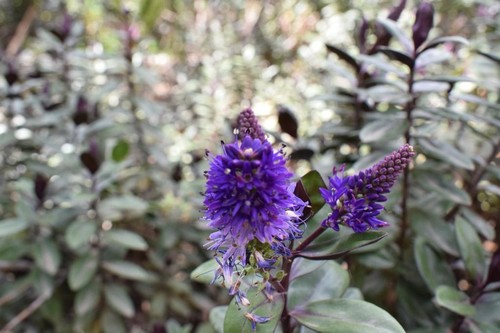
Grow lush, ever-flowering Hebe shrubs with the right light, well-drained soil, and moderate, steady watering for tidy mounded form.
Hebe Identification Guide
Identify hebe by its neat mounded evergreen form, opposite leaves arranged in tidy crossing pairs, and bottlebrush-like flower spikes.