How to Care for Hellebore
Grow long-lived Helleborus orientalis in shade with rich, moist, well-drained soil for elegant winter-to-spring blooms.
Read the full Hellebore encyclopedia entry →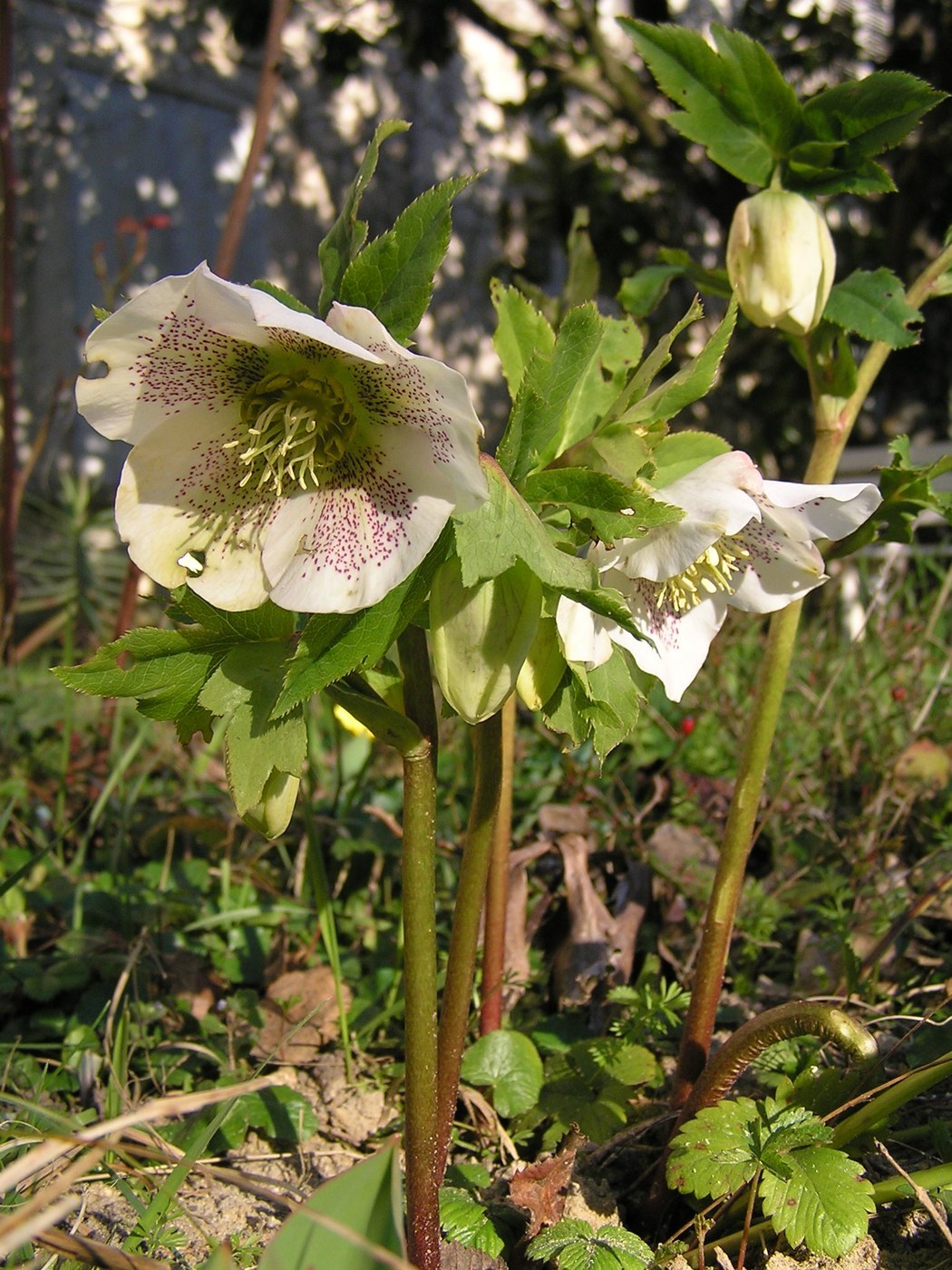
Hellebore (Helleborus orientalis), often called the Lenten rose, is a shade-loving evergreen perennial cherished for nodding, cup-shaped flowers in shades of white, pink, plum, and green that open in late winter and early spring. Long-lived and low-maintenance once established, it brings color to the garden when little else is in bloom.
Light
Hellebores thrive in partial to full shade, making them ideal for woodland gardens and shady borders beneath deciduous trees. They enjoy bright winter and early-spring sun before the tree canopy leafs out, then welcome the cooling shade of summer. Too much hot afternoon sun can scorch the foliage, while very deep shade may reduce flowering, so dappled light is the sweet spot.
Water
Keep the soil evenly moist, especially during the first year or two while plants establish deep roots. Once established, hellebores tolerate short dry spells but perform best with consistent moisture. Water deeply during dry periods, and apply a layer of organic mulch to conserve moisture and keep roots cool. Avoid waterlogged soil, which can lead to crown and root rot.
Soil & Potting
Hellebores prefer rich, humus-heavy, well-drained soil with a neutral to slightly alkaline pH. Improve the planting area with plenty of compost or leaf mold before planting. Good drainage is essential, as they dislike sitting in wet, heavy clay. If growing in a container, use a fertile, free-draining potting mix and a pot with ample drainage.
Humidity & Temperature
These are cold-hardy perennials that welcome winter chill and generally suit temperate climates. They are remarkably tough in cold weather, with flowers and evergreen leaves persisting through frost. They dislike prolonged intense summer heat, which is another reason a cool, shaded, well-mulched position is best.
Feeding
Feed in late winter or early spring as flowering begins, using a balanced slow-release fertilizer or a generous top-dressing of compost. A second light feeding after flowering supports strong foliage for the coming year. An annual mulch of organic matter provides steady, gentle nutrition and improves the soil over time.
Propagation
Hellebores can be propagated by division or from seed. Divide mature clumps in early autumn or right after flowering, replanting the sections promptly at the same depth. They also self-seed readily, and seedlings often appear around the parent plant; these can be lifted and transplanted, though seed-grown plants may vary from the parent and take a few years to bloom.
Repotting / Pruning
Hellebores resent root disturbance, so divide or transplant only when necessary. In late winter, before new flowers emerge, cut away old, tattered, or damaged evergreen leaves to showcase the fresh blooms and encourage clean new foliage. Remove spent flower stems after blooming unless you want the plant to self-seed.
Common Problems & Pests
Hellebores are generally trouble-free but can suffer from fungal leaf spot, which appears as dark blotches; remove and dispose of affected leaves and improve air circulation. Crown rot may occur in poorly drained, soggy soil. Aphids can cluster on new growth and flower buds, and can be rinsed off or treated with insecticidal soap. Slugs and snails occasionally nibble emerging foliage.
Seasonal Care Tips
In late winter, trim old foliage and apply fertilizer as buds form to enjoy the blooms. In spring, keep soil moist and deadhead if you wish to limit self-seeding. Through summer, maintain mulch and water during dry spells to protect roots from heat. In autumn, refresh the mulch layer and divide or transplant if needed while the weather is cool.
Frequently asked questions
When do hellebores bloom?
Helleborus orientalis blooms from late winter into early spring, often while snow is still on the ground, which is why it is valued for providing color in the off-season garden.
Should I cut back hellebore leaves?
Yes. In late winter, before the new flowers emerge, remove old, tattered, or damaged evergreen leaves. This displays the blooms better and encourages healthy fresh foliage.
Why is my hellebore not flowering well?
Too much shade, recent transplanting, or overly dry soil can all reduce blooming. Give it dappled light, keep the soil evenly moist, and be patient, as newly divided plants take time to reestablish.
Can hellebores grow in pots?
Yes, use a large container with a rich, free-draining potting mix and good drainage. Keep it in partial shade, water consistently, and shelter it from prolonged intense summer heat.
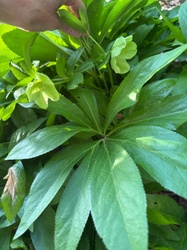
Hellebore identified by the community
Recent Hellebore specimens identified with Plant Identifier.