
How to Care for Hen And Chicks
Hen and chicks is a hardy rosette succulent that thrives on neglect, bright light, and sharp drainage with only occasional watering.
Read the full Hen And Chicks encyclopedia entry →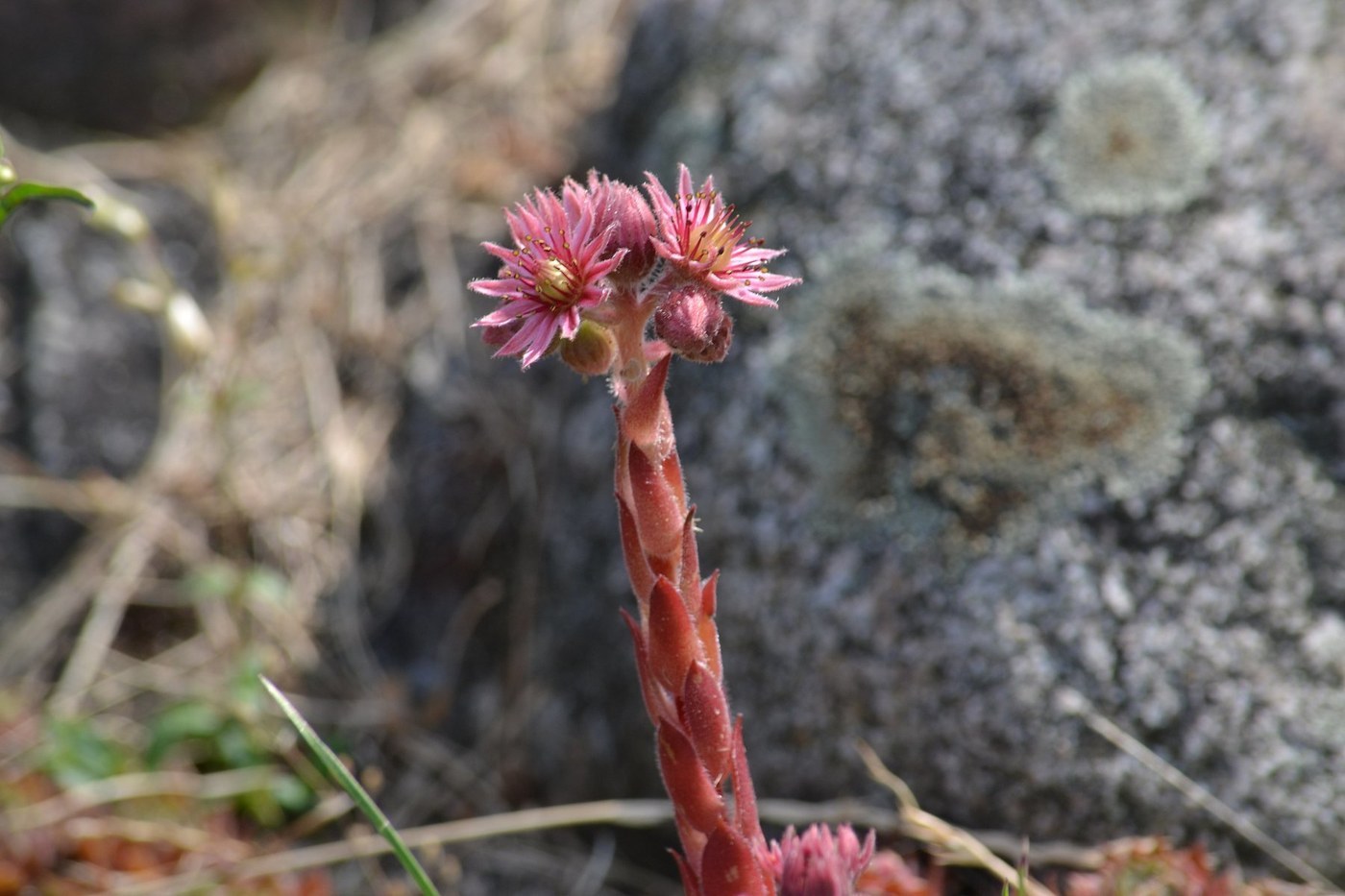
Hen and chicks (Sempervivum tectorum) is a tough, mat-forming succulent that produces a central rosette (the "hen") surrounded by offset rosettes (the "chicks"). It is one of the easiest succulents to grow, thriving on bright light, gritty soil, and benign neglect.
Light
Provide full sun to very bright light for compact, colorful rosettes. Strong light intensifies leaf tints of red, bronze, and purple, while too little light causes rosettes to stretch and pale. Outdoors it enjoys all-day sun; indoors, place it at the brightest window available.
Water
Water sparingly and only after the soil has dried out completely. These succulents store water in their fleshy leaves and are far more forgiving of drought than of overwatering. In winter, cut back to minimal water. Soggy soil is the fastest way to lose a plant, so always err toward dry.
Soil & Potting
Sharp drainage is essential. Use a gritty cactus or succulent mix, or amend regular potting soil with coarse sand, perlite, or pumice. Shallow pots with drainage holes suit their shallow root systems. In the ground, plant in rock gardens, gravel beds, or between pavers where water never pools.
Humidity & Temperature
Hen and chicks prefer dry air and are remarkably cold-hardy, tolerating hard frost and surviving harsh winters outdoors in temperate climates. They dislike high humidity and stagnant, damp conditions. Good airflow keeps rosettes firm and healthy year-round.
Feeding
These plants need very little feeding. A single diluted dose of low-strength fertilizer in spring is more than enough. Over-fertilizing produces soft, weak growth and dulls the compact form and coloring that make the plant attractive.
Propagation
Propagation could not be simpler: gently detach the offset "chicks," which often already have small roots, and press them into gritty soil. They establish quickly. You can also root individual rosettes or grow from seed, though offsets are by far the fastest, most reliable method.
Repotting / Pruning
Repot only when a clump has outgrown its container, typically every two to three years, refreshing the gritty mix. Remove any withered outer leaves and tidy dead rosettes. Note that a mature "hen" naturally sends up a tall flower stalk and then dies after blooming, leaving the surrounding chicks to carry on, so simply remove the spent rosette.
Common Problems & Pests
The main threat is rot from overwatering or poor drainage, signaled by mushy, browning rosettes. Mealybugs and aphids occasionally appear; remove them by hand or with a gentle spray. In humid, crowded settings, fungal spotting can develop, so improve airflow and drainage to prevent it.
Seasonal Care Tips
Spring is the active growth period, when a light feed and any repotting or dividing are best done. Through summer, water only when fully dry and enjoy the strongest leaf color. In autumn, taper watering. In winter, keep nearly dry; outdoor plants are hardy through cold and simply pause growth until spring.
Frequently asked questions
How often should I water hen and chicks?
Only when the soil has dried out completely, then water thoroughly. In practice that may be every couple of weeks in summer and rarely at all in winter. Overwatering is the main cause of failure.
Why did my main rosette die after flowering?
This is normal. A mature 'hen' sends up a flower stalk and then dies, a habit called monocarpy. The surrounding 'chicks' live on and fill the gap, so just remove the spent rosette.
Can hen and chicks grow indoors?
Yes, but they need the brightest window you have. Insufficient light makes rosettes stretch and lose color. Use a gritty, fast-draining mix and water sparingly.
How do I propagate hen and chicks?
Detach the offset 'chicks' from around the mother rosette and press them into gritty soil. They often already have roots and establish quickly with minimal effort.