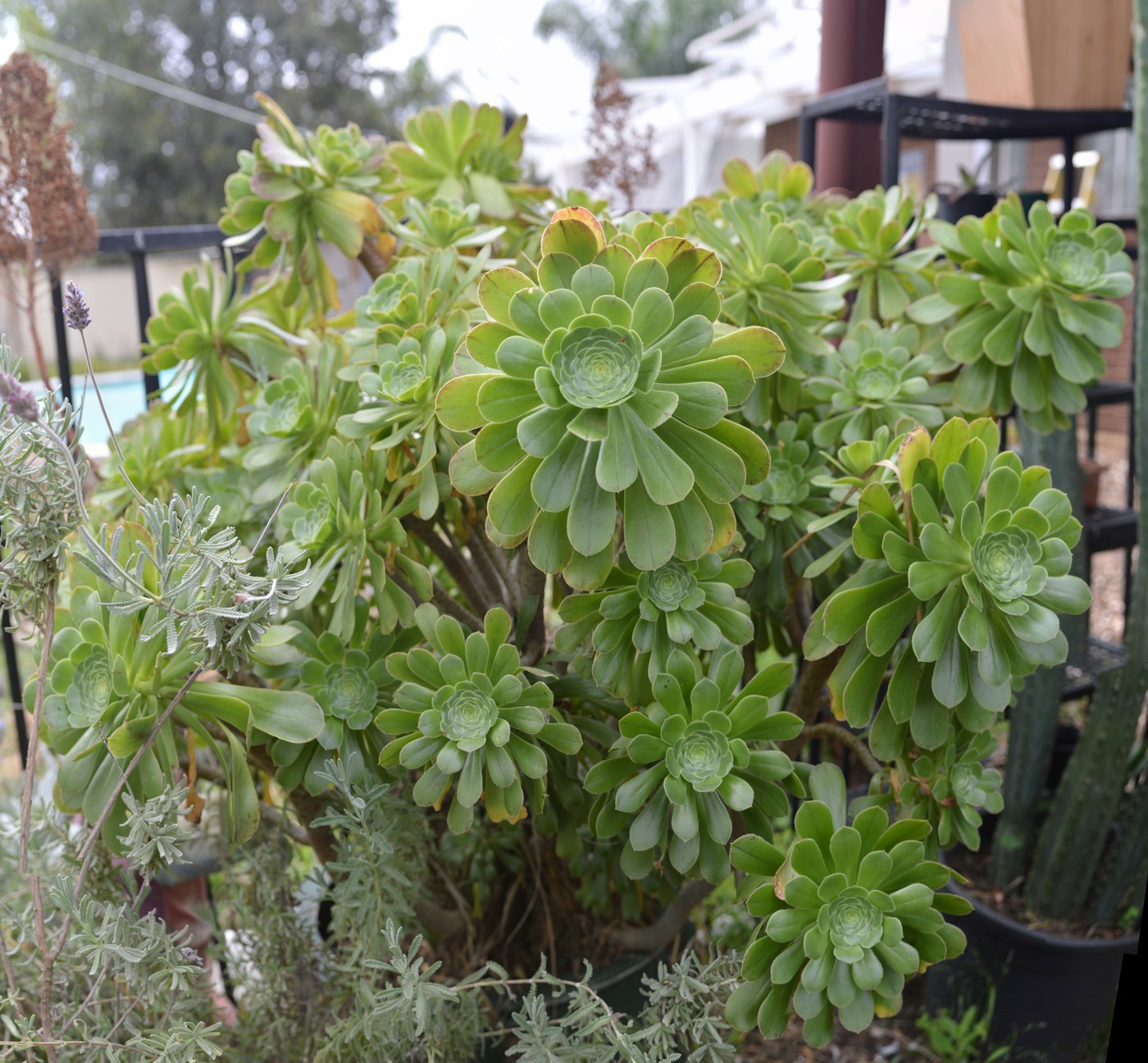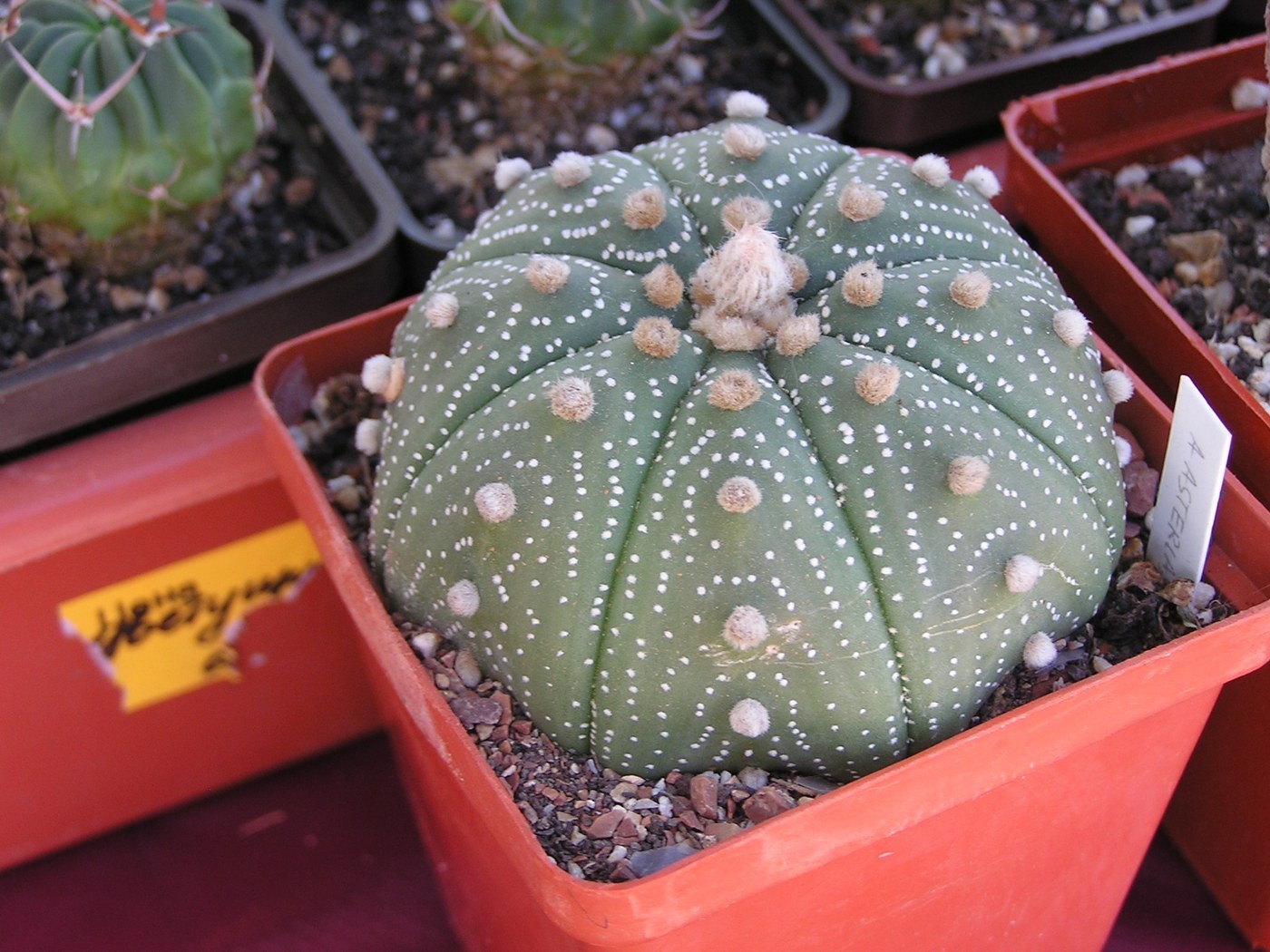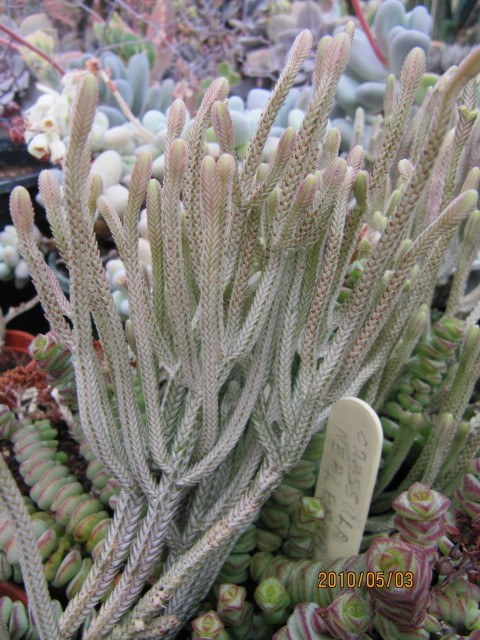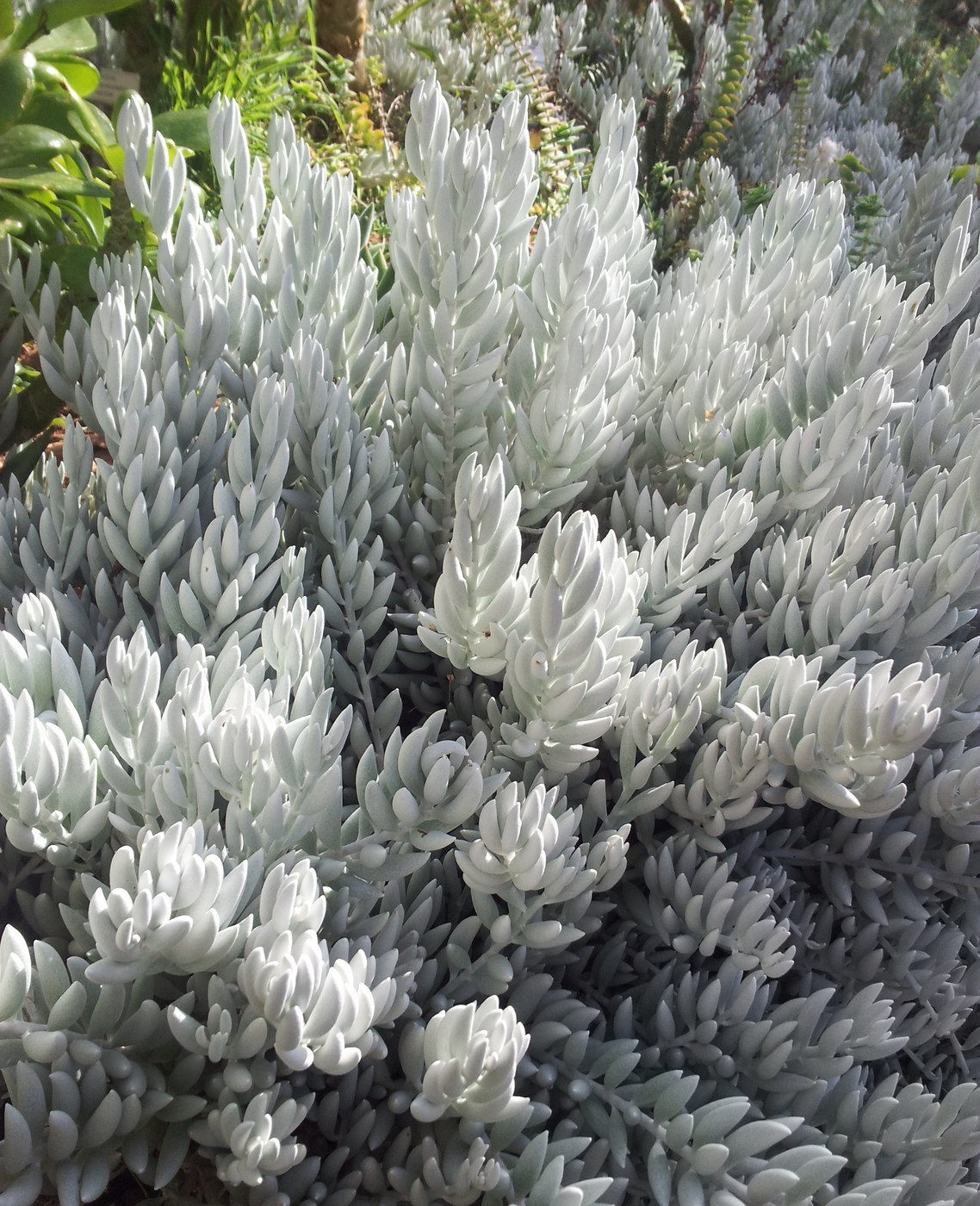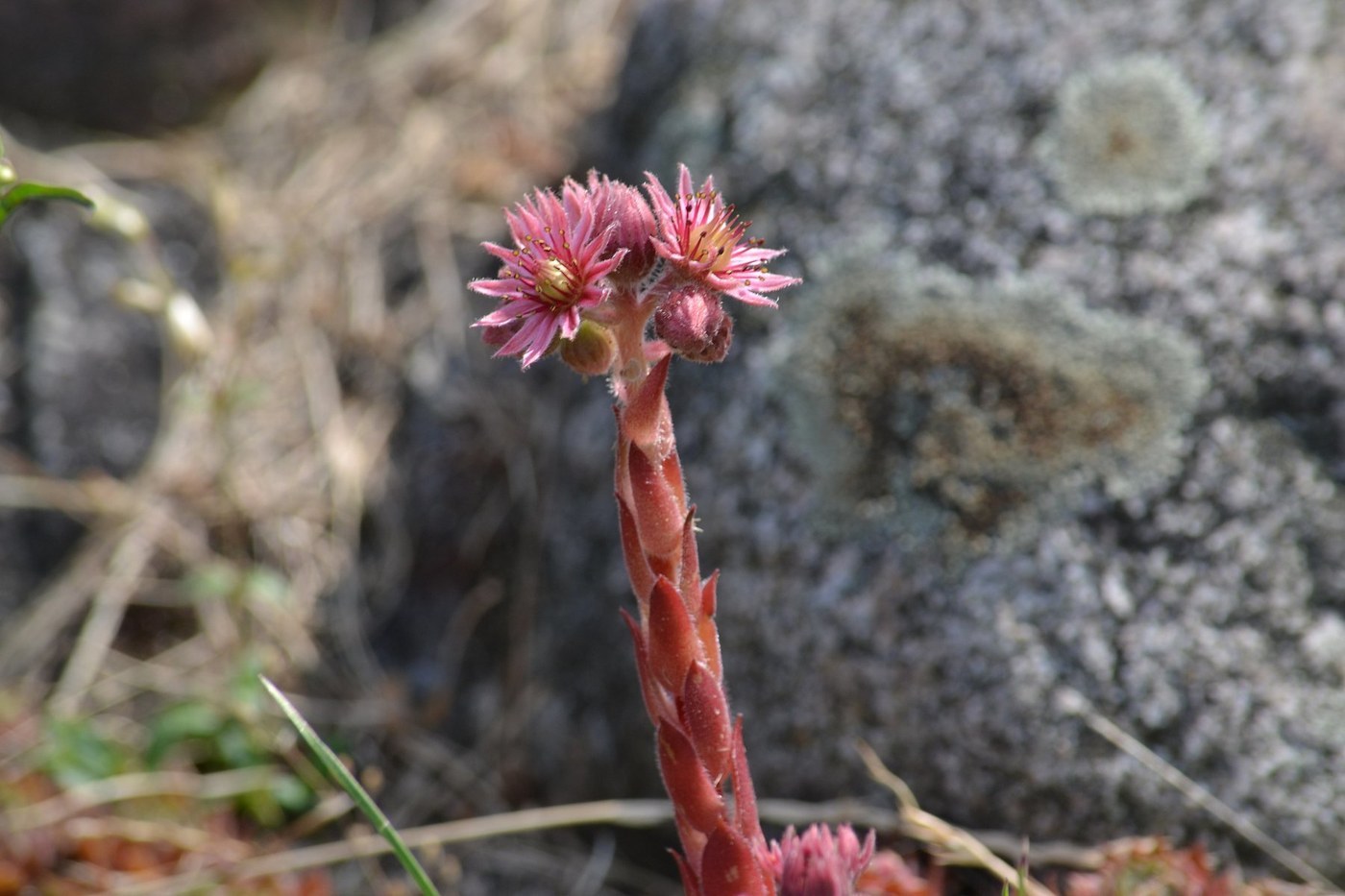
Hen And Chicks
Sempervivum tectorum
Hen and chicks is a hardy rosette-forming succulent that spreads by producing clusters of offsets, or 'chicks,' around the central 'hen.' It is exceptionally cold-tolerant and thrives in rock gardens and containers.
- Light
- Full sun to bright light
- Water
- Sparingly; let soil dry fully
- Difficulty
- Easy
Got a plant like this?
Identify any plant from a photo, free.
Overview
Hen and chicks (Sempervivum tectorum) is a classic alpine succulent prized for its tight, symmetrical rosettes and its readiness to multiply. The Latin name Sempervivum means 'always living,' a nod to its toughness and long-lived nature.
Each mature rosette (the 'hen') sends out short runners that produce miniature rosettes (the 'chicks'), forming dense colonies over time. After several years a rosette may flower once and then die, replaced by its surrounding offsets.
This is one of the most beginner-friendly succulents, tolerating frost, drought, and poor soil with ease.
How to identify it
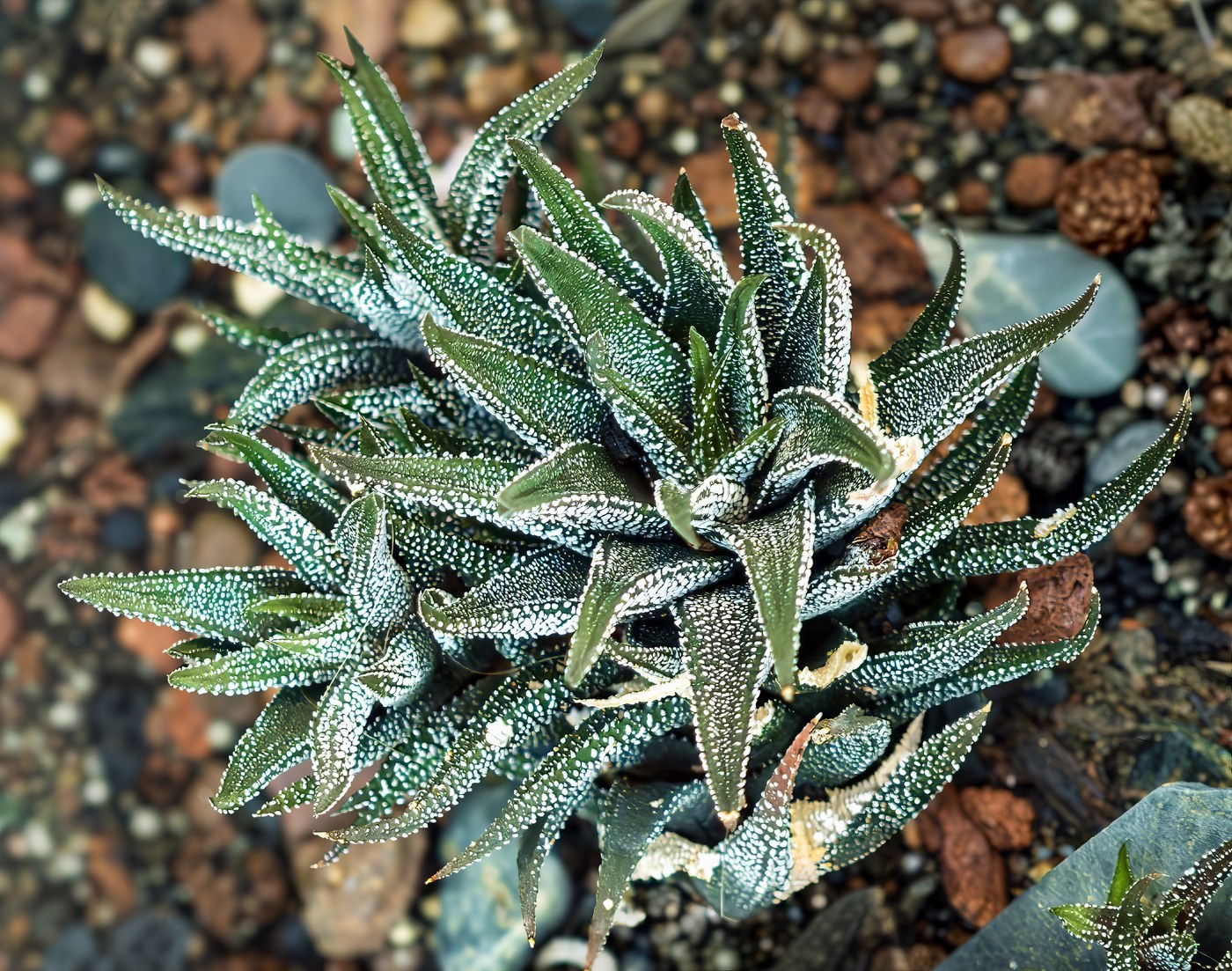
- Low, ground-hugging rosettes typically 2-4 inches across, made of fleshy, pointed leaves
- Leaves are often green to blue-green, frequently tipped or blushed with red or purple
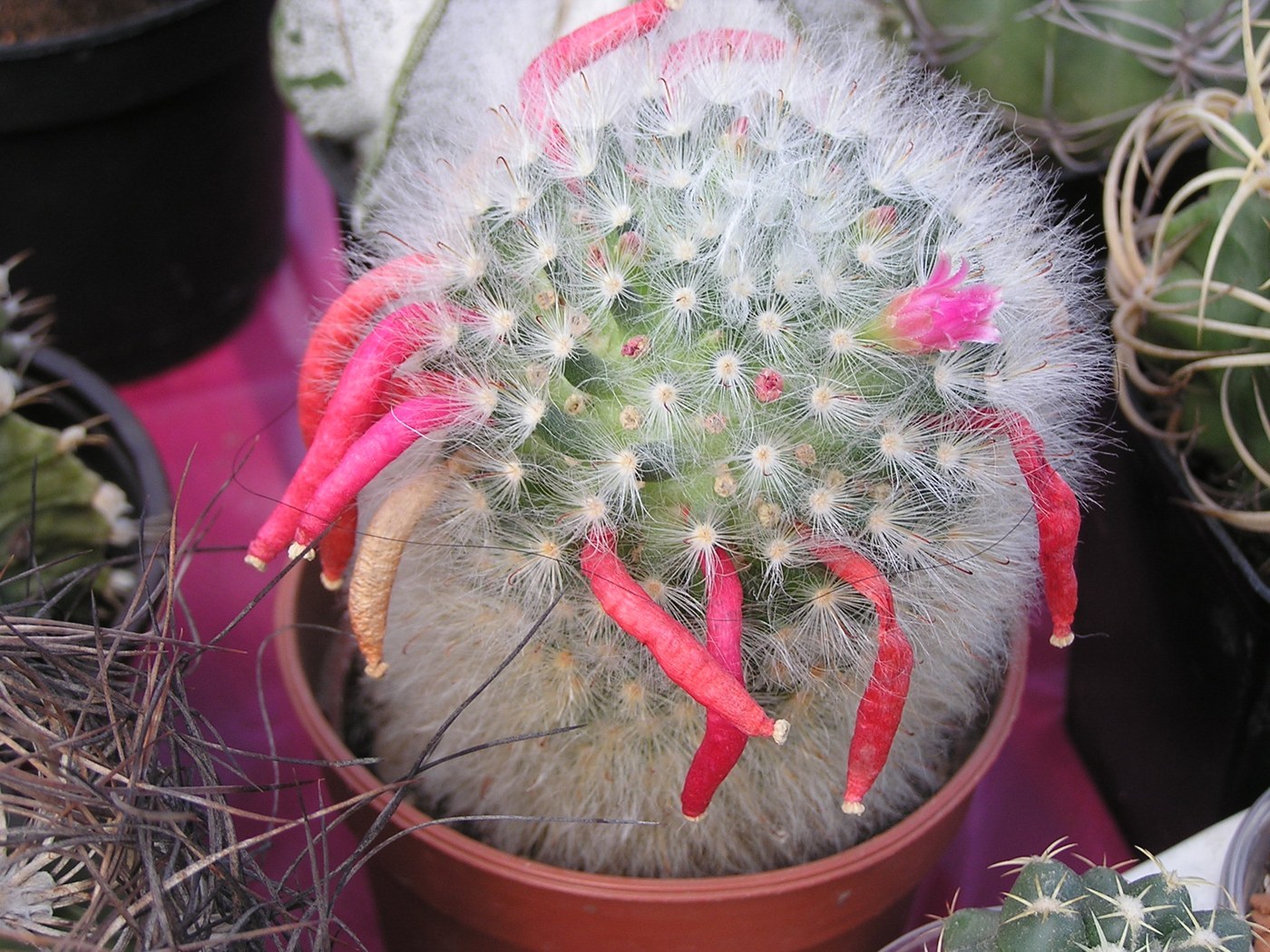
- Some varieties have fine, cobweb-like hairs across the rosette
- Produces clusters of small offset rosettes ('chicks') connected by short stolons
- Star-shaped pink to reddish flowers appear on a thick stalk before that rosette dies (monocarpic)
Care & growing
- Light: Full sun outdoors; the brightest possible windowsill indoors
- Water: Drought-tolerant; water only when soil is fully dry, much less in winter
- Soil: Gritty, fast-draining cactus or succulent mix
- Temperature: Extremely cold-hardy, surviving well below freezing (USDA zones 3-8)
- Feeding: Rarely needed; a dilute feed once in spring is plenty
- Propagation: Simply detach and replant the offsets, which root quickly
Habitat & origin
Native to the mountains of southern and central Europe, from the Pyrenees through the Alps to the Balkans. It naturally grows on rocky slopes, cliffs, and thin alpine soils.
Historically it was planted on roofs (tectorum means 'of roofs') in the belief it warded off lightning and fire. Today it is grown worldwide in rock gardens, troughs, green roofs, and containers.
Frequently asked questions
Why did one of my rosettes die after flowering?
Sempervivum is monocarpic, meaning each rosette flowers only once and then dies. The surrounding 'chicks' carry on the colony, so the plant as a whole persists.
Can hen and chicks survive winter outdoors?
Yes. It is one of the hardiest succulents, surviving freezing temperatures and snow in USDA zones 3 through 8.
How do I propagate it?
Gently pull off the offset rosettes, let any cut dry briefly, and press them into gritty soil. They root within a couple of weeks.
Why is my plant stretching and pale?
That is etiolation from too little light. Move it to full sun or a much brighter spot to keep the rosettes compact and colorful.
Hen And Chicks guides
In-depth guides for identifying, growing, and caring for Hen And Chicks.
How to Care for Hen And Chicks
Hen and chicks is a hardy rosette succulent that thrives on neglect, bright light, and sharp drainage with only occasional watering.
Hen And Chicks Identification Guide
How to recognize Hen and Chicks (Sempervivum) by its tight rosettes and the cluster of offset 'chicks' that ring the parent plant.