How to Care for Henbane
Grow Hyoscyamus niger as an ornamental for its sculptural, veined bell flowers and coarse gray-green foliage in sunny, well-drained ground.
Read the full Henbane encyclopedia entry →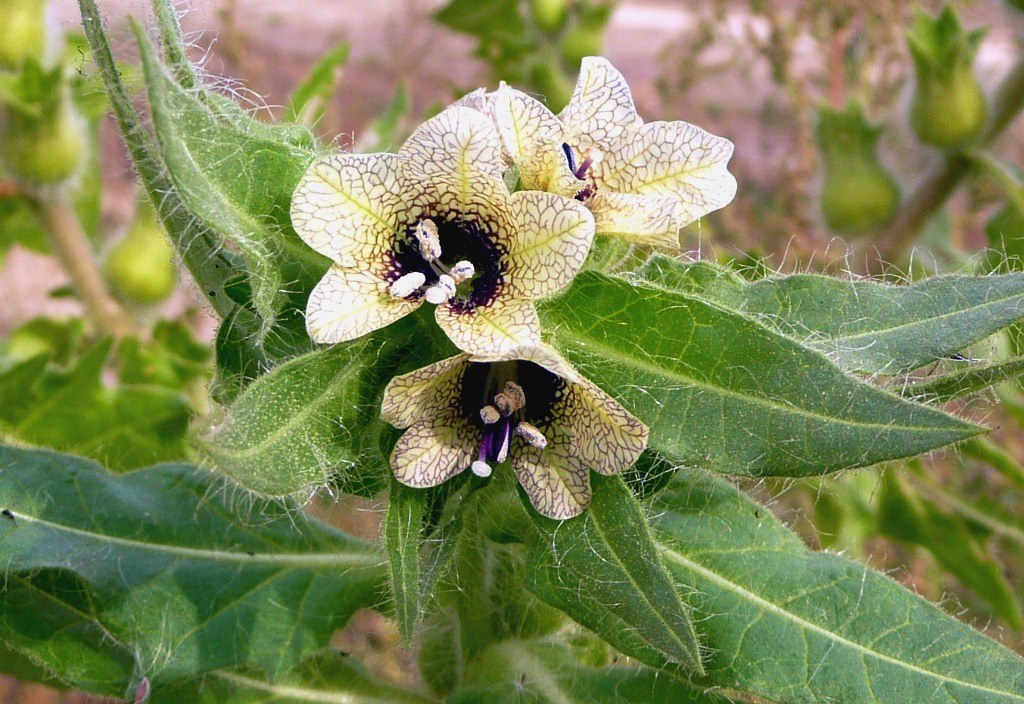
Henbane (Hyoscyamus niger) is a coarse-textured annual or biennial grown ornamentally for its unusual funnel-shaped flowers, netted with dark purple veins, and its sticky, gray-green sculptural foliage. It has an architectural, slightly wild look that suits cottage and heritage-style plantings.
Light
Henbane needs full sun to develop sturdy stems and its characteristic flowering. Give it an open, unshaded position with at least six hours of direct light. In too much shade it grows floppy and pale and flowers poorly.
Water
Water low to moderately; henbane prefers soil on the drier side and dislikes constant wetness. Let the soil dry between waterings and provide only occasional deep watering during prolonged drought. Overwatering and poor drainage lead to rot, so err toward restraint.
Soil & Potting
Plant in light, well-drained soil. It tolerates poor, sandy, and even slightly stony ground, and often performs best where soil is lean rather than rich. Sharp drainage is essential; heavy, waterlogged soils cause failure. In containers, use a gritty, free-draining mix.
Humidity & Temperature
Henbane favors dry air and does not need extra humidity. It is tolerant of heat and grows in temperate conditions; biennial forms overwinter as a rosette and flower the following year. Avoid damp, humid, crowded settings that encourage foliage disease.
Feeding
Feeding needs are minimal. Overly rich conditions produce soft, floppy growth, so avoid heavy fertilizing. If the soil is very poor, a single light application of balanced fertilizer early in growth is sufficient.
Propagation
Henbane is grown from seed. Sow in place or in trays in spring; the seed benefits from light and a cool period to germinate and can be erratic. Biennial types may self-sow where conditions suit them. Transplant seedlings carefully, as the taproot resents disturbance.
Repotting / Pruning
Because of its taproot, henbane resents transplanting, so sow it in its final position when possible. Little pruning is needed; remove spent flower spikes to tidy the plant. Stake tall stems in exposed sites. Allow some seed heads to mature if you want it to self-sow.
Common Problems & Pests
Root rot from wet, heavy soil is the main problem; ensure sharp drainage. Flea beetles and aphids may appear on the foliage; treat with insecticidal soap if infestations are heavy. Powdery mildew can develop in humid, crowded conditions, so space plants for air flow.
Seasonal Care Tips
Sow seed in spring for flowering in summer, or grow biennial forms that overwinter as a rosette and bloom the next year. Keep the site sunny and dry through the season. Deadhead to prolong tidy appearance, or leave a few pods to self-seed. In colder areas the overwintering rosette may need free-draining ground to avoid winter rot.
Frequently asked questions
Is henbane an annual or biennial?
Both forms exist. Annual types flower the same season they are sown, while biennial types form a rosette the first year and flower the following year.
Why is my henbane flopping over?
Too much shade or overly rich, wet soil produces weak, floppy growth. Grow it in full sun in lean, well-drained soil, and stake tall stems in windy sites.
Can I transplant henbane seedlings?
It is difficult because henbane forms a taproot that resents disturbance. Sow seed directly in its final position, or transplant very young seedlings gently with the root ball intact.
Does henbane need much watering?
No. It prefers dry conditions and well-drained soil. Let the soil dry between waterings and water only occasionally, as constant moisture causes rot.
Henbane identified by the community
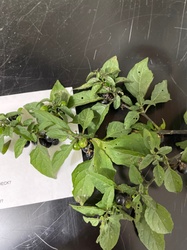
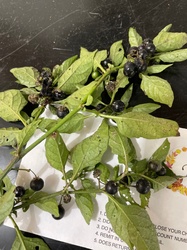
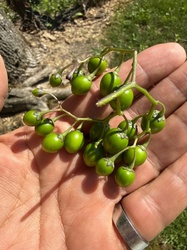
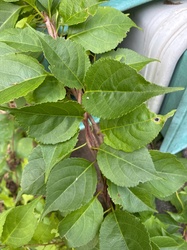
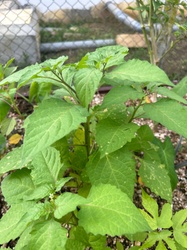
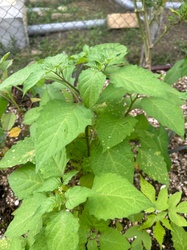
Recent Henbane specimens identified with Plant Identifier.