
Henbit Identification Guide
How to identify henbit (Lamium amplexicaule), a cool-season mint-family weed with clasping scalloped leaves and pink-purple tubular flowers.
Read the full Henbit encyclopedia entry →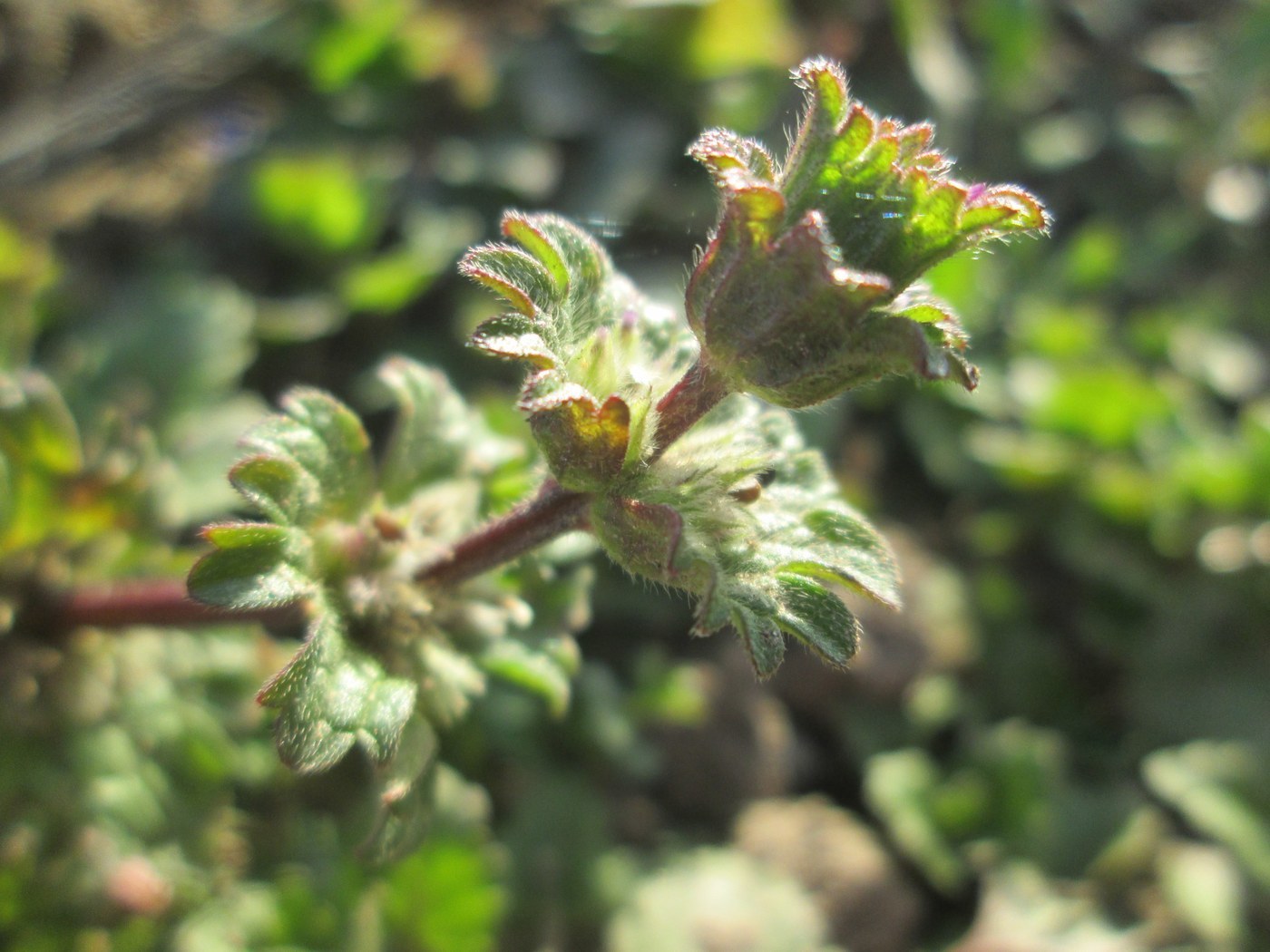
Key Identifying Features
Henbit (Lamium amplexicaule), or henbit deadnettle, is a low winter annual in the mint family that carpets gardens, lawns, and fields with pinkish-purple flowers in early spring. Identify it by square stems, rounded scalloped leaves that clasp the stem, and slender tubular pink-purple flowers in whorls at the stem tips.
- Low, upright to sprawling annual, usually 4-12 inches tall
- Square (four-sided) stems typical of mints
- Upper leaves clasp the stem directly with no stalk
Leaves & Stems
Leaves are opposite, rounded to kidney-shaped, with scalloped, rounded teeth and deep palmate veins giving a slightly crinkled look. The lower leaves have stalks, but the upper leaves clasp the stem directly (stalkless), wrapping around it like a collar (amplexicaul) beneath the flowers, the most distinctive feature. Stems are square and often purple-tinged. Henbit lacks any strong mint smell despite being a mint relative.
Flowers & Fruit
In late winter to spring, henbit bears slender, tubular, two-lipped pink to reddish-purple flowers about 1/2-3/4 inch long, clustered in whorls among the upper clasping leaves. The flowers stand upright and tubular, with an upper hood and a spotted lower lip. Fruit is a tiny four-part nutlet. A field flushed pinkish-purple in early spring is often henbit (or its close relative purple deadnettle).
How to Tell It Apart from Look-Alikes
- Purple deadnettle (Lamium purpureum): very similar, but its upper leaves are triangular, stalked, crowded, and tinged reddish-purple, forming a pyramid; henbit's upper leaves are rounded and clasp the stem directly.
- Ground ivy/creeping Charlie: creeps flat and roots at nodes with a strong mint smell; henbit grows more upright and is not strongly aromatic.
- Wild violet: heart-shaped leaves and rounded stems, no square stem.
Where You'll Find It
Henbit thrives in moist, fertile, disturbed soil: gardens, crop fields, lawns, roadsides, and waste ground, in sun to part shade. It germinates in fall, overwinters as small rosettes, and blooms in early spring before dying back in summer heat. It is common across temperate North America and Eurasia.
Quick ID Checklist
- Square stems, often purple-tinged
- Opposite, rounded, scalloped leaves
- Upper leaves clasp the stem directly (no stalk)
- Tubular pink-purple two-lipped flowers in spring
- Low cool-season annual in disturbed ground
Frequently asked questions
How do I tell henbit from purple deadnettle?
Henbit's upper leaves are rounded and clasp the stem directly with no stalk, while purple deadnettle's upper leaves are triangular, stalked, crowded, and flushed reddish-purple, forming a pyramid shape at the top.
Does henbit smell like mint?
Although it belongs to the mint family and has square stems, henbit has little to no minty aroma, unlike strongly scented relatives such as ground ivy.
When does henbit appear?
Henbit is a winter annual that germinates in fall, overwinters as a small plant, and blooms in late winter to spring, often coloring whole fields pinkish-purple before dying back in summer.
Why is it called henbit?
The name comes from chickens (hens) readily eating the plant. It is also called henbit deadnettle because, like true deadnettles, it resembles a nettle but does not sting.