Henbit
Lamium amplexicaule
Henbit is a low winter annual in the mint family that carpets lawns, fields and gardens in early spring with pinkish-purple tubular flowers. It is closely related to purple deadnettle and, like it, is a bee-friendly weed of cool seasons.
- Light
- Full sun to part shade
- Water
- Moderate; prefers moist soil
- Difficulty
- Easy
Got a plant like this?
Identify any plant from a photo, free.
Overview
Henbit (Lamium amplexicaule), or henbit deadnettle, is a low-growing winter annual in the mint family native to Europe, Asia and North Africa and now a common weed across North America and other temperate regions. It germinates in fall or early spring and flowers early, often blanketing fields and lawns in purple before most crops or turf get going.
The name reflects its long association with hens, and 'deadnettle' notes its nettle-like leaves that have no sting. It is closely related to and often confused with purple deadnettle (Lamium purpureum).
Though a weed, it is a useful early nectar source for bees.
How to identify it
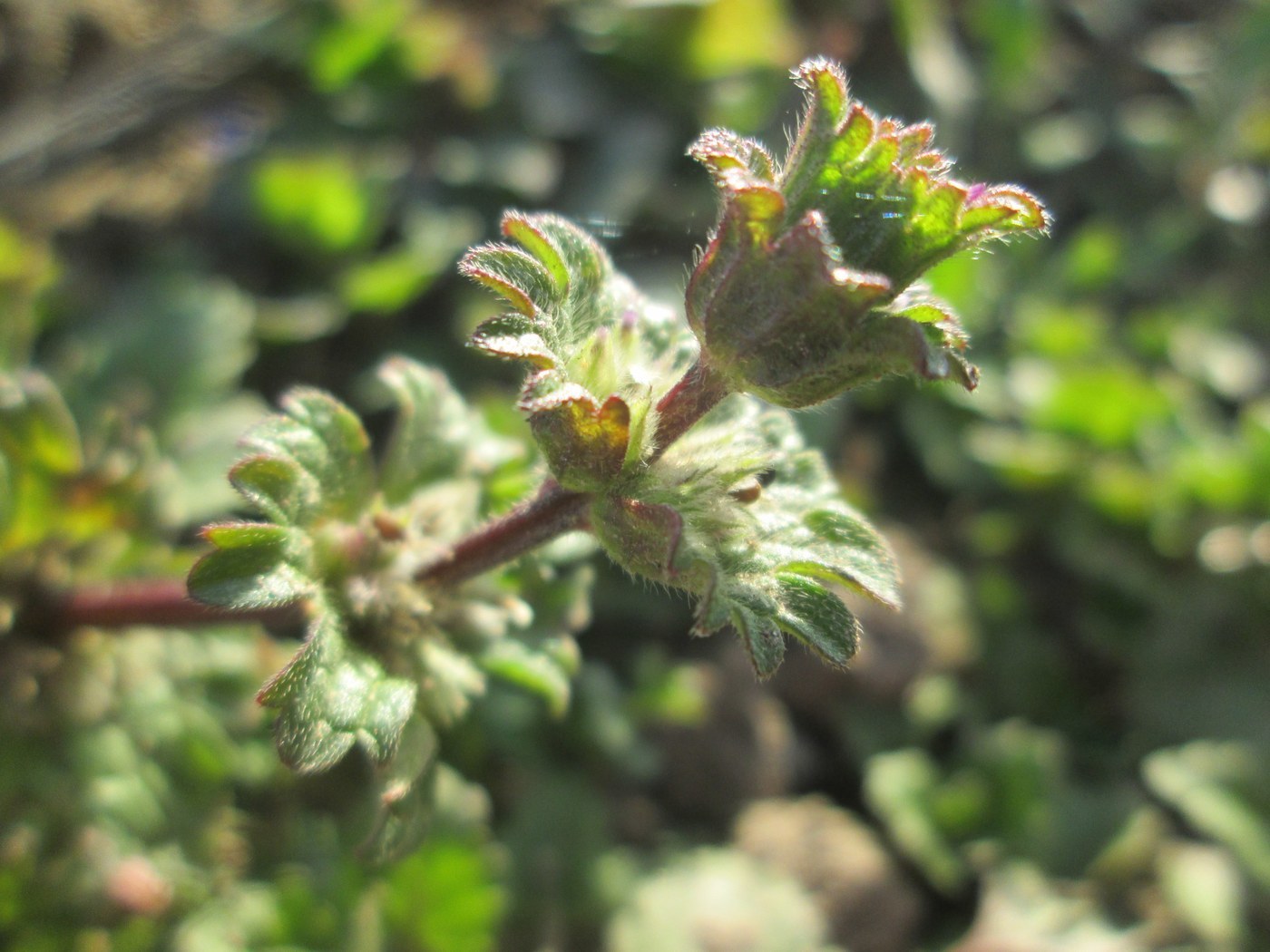
A low, often sprawling winter annual usually 4-12 in tall.
- Stems: square (mint family), green to purplish, weak and often reclining
- Leaves: rounded with scalloped/lobed edges; the upper leaves clasp the stem directly without stalks (a key feature, 'amplexicaule' means stem-clasping), lower leaves on stalks
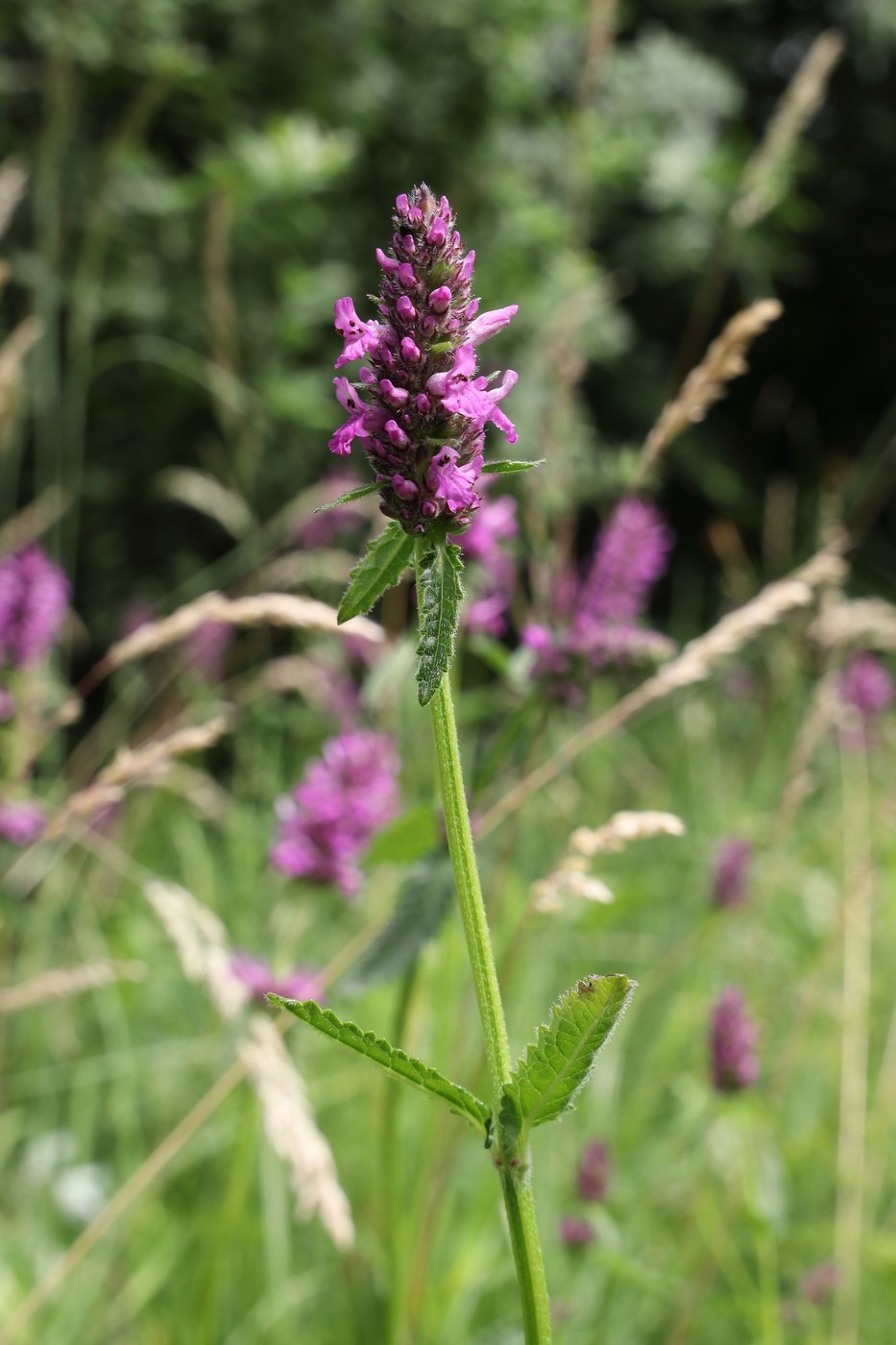
- Flowers: slender, tubular, two-lipped, pinkish-purple, in whorls at the upper leaf axils in early spring
- Habit: low, spreading mats, among the earliest weeds to bloom
- Distinction: unlike purple deadnettle, upper leaves clasp the stem and are greener (not flushed reddish-purple)
Care & growing
A weed in most lawns, easily controlled because it is an annual.
- Light: Full sun to part shade
- Water: Prefers moist soil; common in cool, damp spring conditions
- Soil: Favors rich, moist, disturbed ground
- Control (cultural): Maintain dense turf; hand-pull or hoe young plants before they flower and seed
- Control (chemical): A fall pre-emergent or a broadleaf herbicide on young plants; easiest to manage before spring bloom
- Life cycle note: As a winter annual it dies back in summer heat, so timing control to fall and early spring is most effective
Habitat & origin
Native to Europe, Asia and North Africa, henbit has naturalized widely across North America and other temperate areas and is one of the most common late-winter and early-spring weeds.
It thrives in moist, fertile, disturbed soils: lawns, gardens, crop fields (especially no-till and winter grain fields), roadsides and waste ground, often appearing in large showy purple sweeps in early spring.
Frequently asked questions
How is henbit different from purple deadnettle?
Henbit's upper leaves clasp the stem directly and stay green, while purple deadnettle's upper leaves have short stalks and are flushed reddish-purple and triangular.
Why does henbit appear so early in spring?
It is a winter annual that germinates in fall, overwinters small, then flowers very early before most other plants, often carpeting fields in purple.
How do I control henbit in my lawn?
Keep turf dense, pull or treat young plants before they bloom, and apply a fall pre-emergent. Because it is an annual, it dies out in summer heat anyway.
Henbit guides
In-depth guides for identifying, growing, and caring for Henbit.
How to Care for Henbit
Henbit is a low-growing cool-season plant with whorled leaves and small pink-purple blooms that thrives in moist, sunny to part-shade spots.
Henbit Identification Guide
How to identify henbit (Lamium amplexicaule), a cool-season mint-family weed with clasping scalloped leaves and pink-purple tubular flowers.