
How to Care for Henbit
Henbit is a low-growing cool-season plant with whorled leaves and small pink-purple blooms that thrives in moist, sunny to part-shade spots.
Read the full Henbit encyclopedia entry →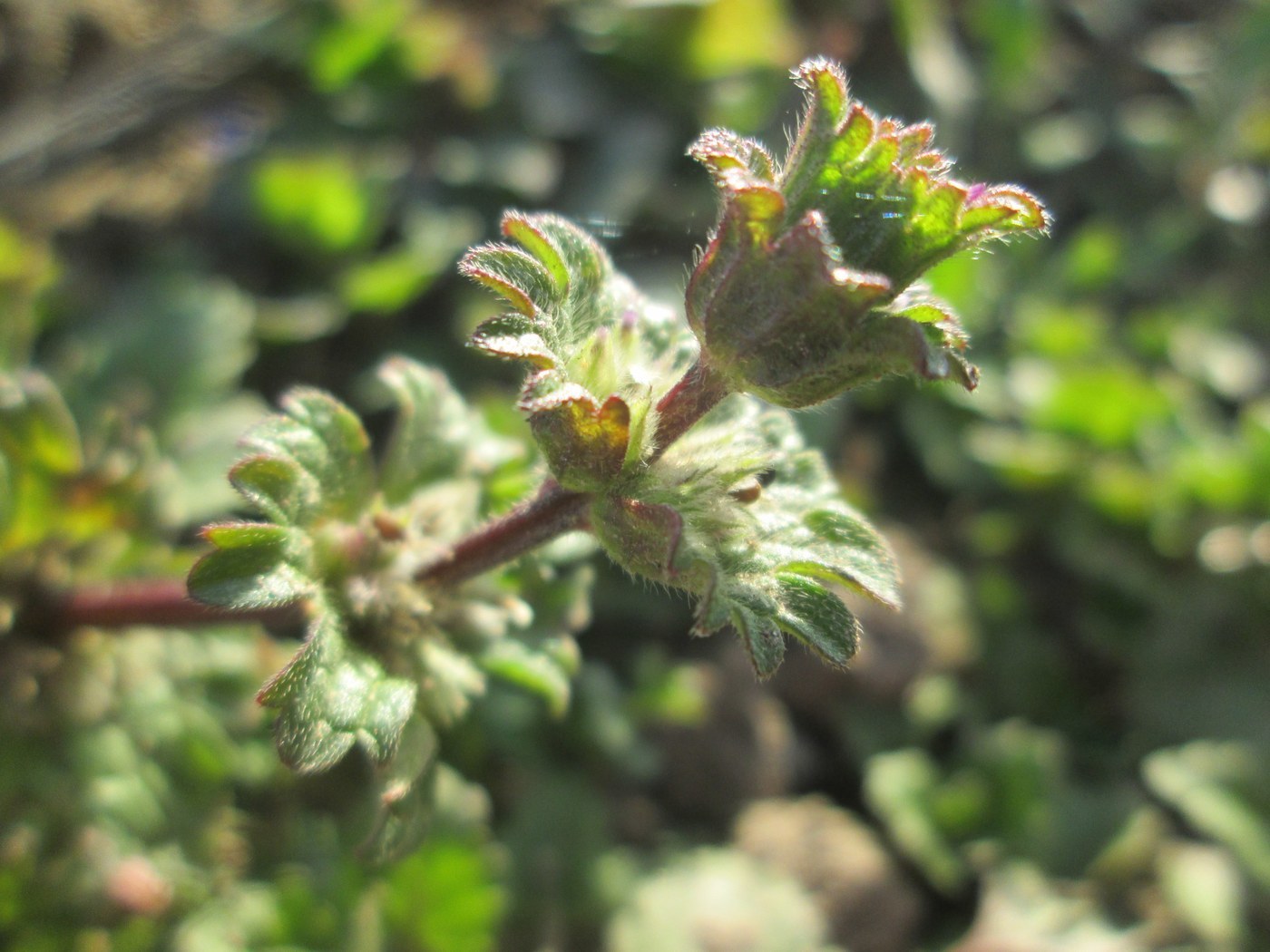
Henbit is a low, spreading cool-season plant with rounded, scalloped leaves clasping square stems and small tubular pink-to-purple flowers in whorls. It is fast, adaptable, and undemanding, growing readily wherever soil stays moist and light is ample.
Light
Henbit grows well in full sun to partial shade. It flowers most freely in bright conditions but tolerates dappled or partial shade better than many low herbs, which is part of why it establishes so easily in a range of settings.
Water
Water needs are moderate; Henbit prefers consistently moist soil. It grows fastest and stays lush where moisture is reliable, and it can flag in prolonged drought. Keep the soil from drying out completely during active growth, but avoid standing water.
Soil & Potting
Henbit is unfussy about soil and grows in most ordinary garden mixes, favoring moist, moderately fertile ground. Good drainage helps prevent rot in wet weather. In containers, a standard potting mix that holds a little moisture works well; ensure drainage holes are present.
Humidity & Temperature
This is a cool-season plant that germinates and grows most vigorously in the cooler temperatures of autumn and early spring. It is quite cold tolerant and often stays green through mild winters, then flowers early in spring before summer heat causes it to decline. Ordinary outdoor humidity suits it fine.
Feeding
Henbit needs little feeding and grows readily even in modest soils. If growth is weak, a light application of a balanced general fertilizer in early spring gives a boost. Avoid heavy feeding, which is unnecessary for such a naturally vigorous grower.
Propagation
Henbit is grown from seed and self-sows very freely. It germinates readily in cool, moist conditions, primarily in autumn and again in early spring. Simply scatter seed onto moist soil and keep it damp; established plants will reseed themselves generously without further help.
Repotting / Pruning
As a low annual it rarely needs repotting. Pruning is minimal; shearing back spreading stems keeps a patch tidier and can prolong the leafy phase. If you want to limit its spread, remove flowering stems before they set seed, since it reseeds aggressively.
Common Problems & Pests
Henbit is largely trouble-free and vigorous to the point of self-seeding widely, which some gardeners consider its main drawback. In hot, dry summer weather it naturally yellows and dies back, which is normal for a cool-season grower rather than a problem. Occasional aphids may appear on soft new growth and can be rinsed off with water.
Seasonal Care Tips
Expect the strongest growth in autumn and early spring. Enjoy the early spring bloom, then let plants die back naturally as heat arrives. If you do not want volunteers everywhere, shear or pull plants before seed sets. Keep soil moist during the cool active-growth seasons for the lushest foliage.
Frequently asked questions
When does Henbit grow and flower?
It is a cool-season plant. It grows most vigorously in autumn and early spring, flowers early in spring, and then naturally declines as summer heat arrives.
How do I keep Henbit from spreading everywhere?
Henbit self-sows freely. To limit it, shear or remove the flowering stems before they set seed, and pull volunteer seedlings while young.
Does Henbit tolerate shade?
Yes. It grows in full sun to partial shade and handles dappled light better than many low herbs, though it blooms most freely in brighter spots.
Why is my Henbit yellowing in summer?
That is normal. As a cool-season grower it naturally yellows and dies back when hot, dry weather sets in, completing its cycle for the year.