How to Care for Hibiscus
Grow lush, flowering tropical Hibiscus (Hibiscus rosa-sinensis): full sun, steady moisture, warmth, and regular feeding for endless blooms.
Read the full Hibiscus encyclopedia entry →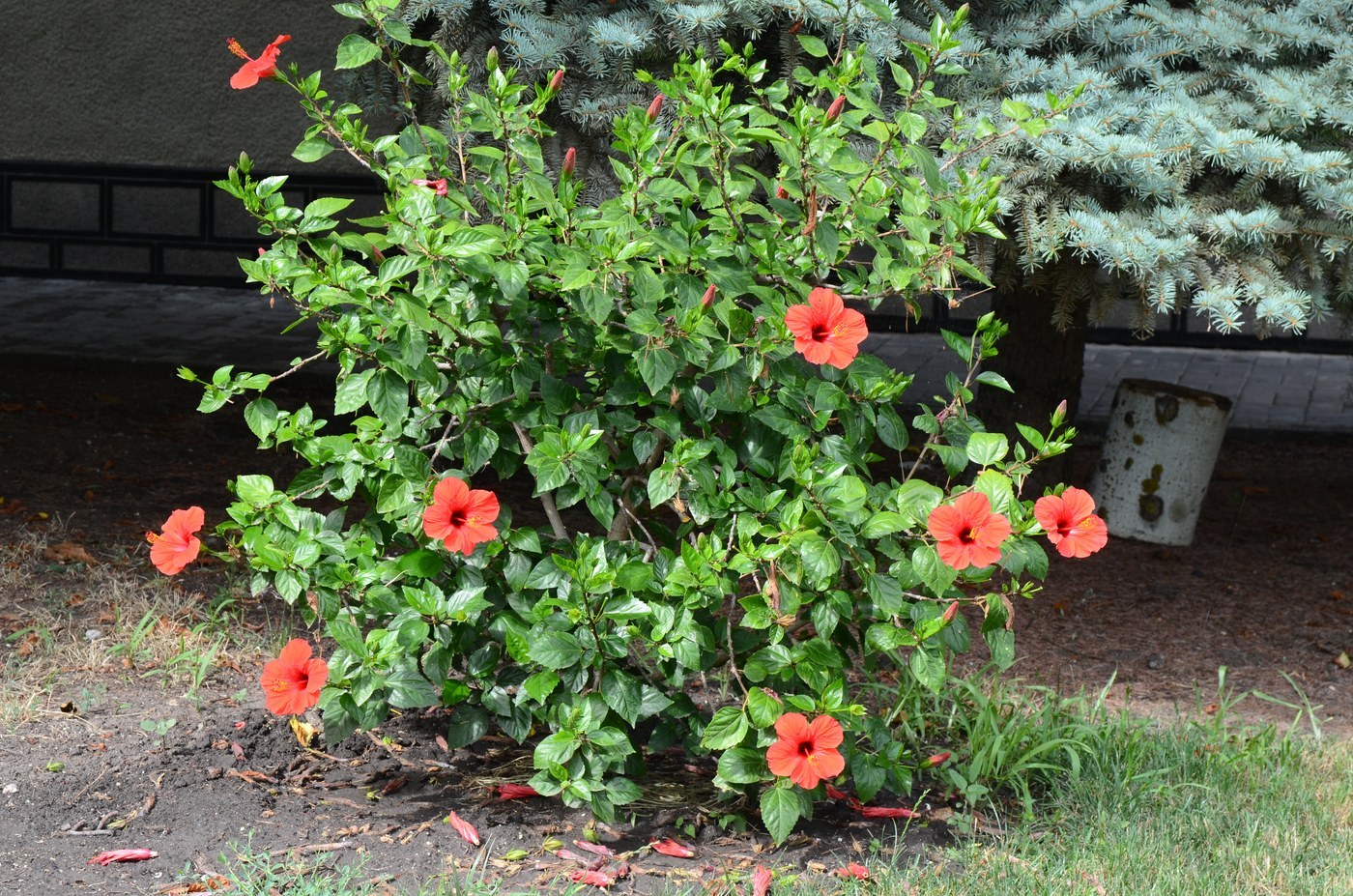
Tropical Hibiscus (Hibiscus rosa-sinensis) is a glossy-leaved evergreen shrub famous for its large, showy, trumpet-shaped flowers in reds, pinks, oranges, yellows, and bicolors. With enough sun, warmth, and consistent care it blooms nearly year-round; it rewards attentive growers and is best rated as a moderate-difficulty plant.
Light
Hibiscus needs full sun to bright light to bloom well, ideally six or more hours of direct sun outdoors. Indoors, place it at the brightest window you have, preferably south or west-facing, and supplement with a grow light in winter. Too little light is the most common reason a healthy-looking plant refuses to flower.
Water
Water is regular; keep the soil evenly moist but never waterlogged. During active growth and hot weather this may mean watering daily, especially for potted plants that dry quickly. Let only the very surface dry between waterings. Both drought and soggy roots cause bud drop, so aim for steady, consistent moisture. Reduce watering in winter when growth slows.
Soil & Potting
Use a rich, well-drained, slightly acidic potting mix with plenty of organic matter. Good drainage is essential, so choose a container with ample drainage holes. In the garden, plant in fertile, well-drained soil and improve heavy clay with compost. A mix that holds moisture yet drains freely keeps roots happy through frequent watering.
Humidity & Temperature
As a tropical, hibiscus loves warmth and moderate to high humidity. It thrives in temperatures roughly between 60 and 90F and suffers below about 50F; it is not frost-hardy. In dry indoor air, raise humidity with a pebble tray or nearby humidifier. Move outdoor potted plants inside before the first cold nights of autumn.
Feeding
Hibiscus is a heavy feeder while blooming. Feed every one to two weeks during the growing season with a fertilizer formulated for blooms, or use a dilute balanced feed more frequently. Hibiscus responds especially well to potassium, so a bloom-boosting formula lower in phosphorus and higher in potassium works well. Cut feeding back sharply in winter.
Propagation
Propagate from softwood or semi-hardwood stem cuttings taken in late spring or summer. Take a four to six inch tip cutting, remove the lower leaves, dip in rooting hormone, and set in a moist, well-drained rooting mix kept warm and humid. Cuttings root in several weeks; named cultivars come true only from cuttings, not seed.
Repotting / Pruning
Repot in spring every year or two, moving up one pot size when roots fill the container. Prune in early spring to shape the plant and encourage bushy, flower-bearing new growth, cutting back leggy stems by up to a third. Pinching growing tips through the season promotes branching and more blooms. Deadhead spent flowers to keep the plant tidy.
Common Problems & Pests
Aphids, whiteflies, spider mites, and mealybugs are common, especially on stressed or indoor plants; rinse foliage and treat with insecticidal soap as needed. Bud drop is usually caused by sudden changes in light, temperature, or watering, or by underfeeding. Yellowing leaves often signal overwatering, cold stress, or nutrient deficiency. Ensure good light, steady moisture, and regular feeding to keep it blooming.
Seasonal Care Tips
Spring is for repotting, pruning, and resuming heavy feeding as growth accelerates. Through summer, water frequently, feed regularly, and enjoy peak bloom outdoors in full sun. In fall, bring potted plants indoors before nights drop below 50F. In winter, place in the brightest spot, reduce water and feeding, and expect slower growth and fewer flowers until light and warmth return.
Frequently asked questions
Why won't my hibiscus bloom?
The most common causes are insufficient light and inadequate feeding. Give it full sun or the brightest window possible and feed regularly with a bloom fertilizer during the growing season.
Why are the flower buds falling off before opening?
Bud drop usually follows sudden changes in light, temperature, or watering, or a lack of nutrients. Keep conditions steady and moisture consistent to prevent it.
Can hibiscus survive winter outdoors?
Tropical hibiscus is not frost-hardy and suffers below about 50F. In cool climates grow it in a pot and bring it indoors to a bright, warm spot for winter.
How often should I water hibiscus?
Keep the soil evenly moist, watering whenever the surface begins to dry. In hot weather potted plants may need daily watering; reduce frequency in winter.
How do I propagate hibiscus?
Take four to six inch semi-hardwood tip cuttings in late spring or summer, dip in rooting hormone, and root them in a warm, humid, well-drained mix over several weeks.
Hibiscus identified by the community
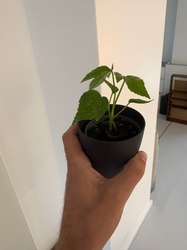
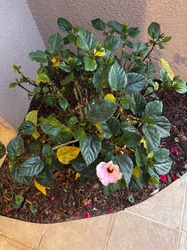
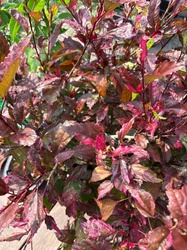
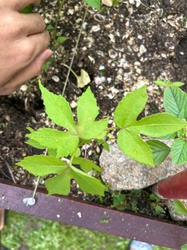
Recent Hibiscus specimens identified with Plant Identifier.