Hibiscus
Hibiscus rosa-sinensis
A tropical shrub famous for large, flamboyant trumpet-shaped flowers in vivid colors. Each bloom lasts only a day or two but plants flower prolifically in warmth.
- Light
- Full sun to bright light
- Water
- Regular; keep evenly moist
- Difficulty
- Moderate
Got a plant like this?
Identify any plant from a photo, free.
Overview
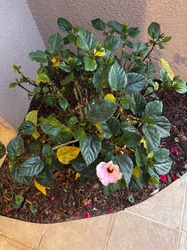
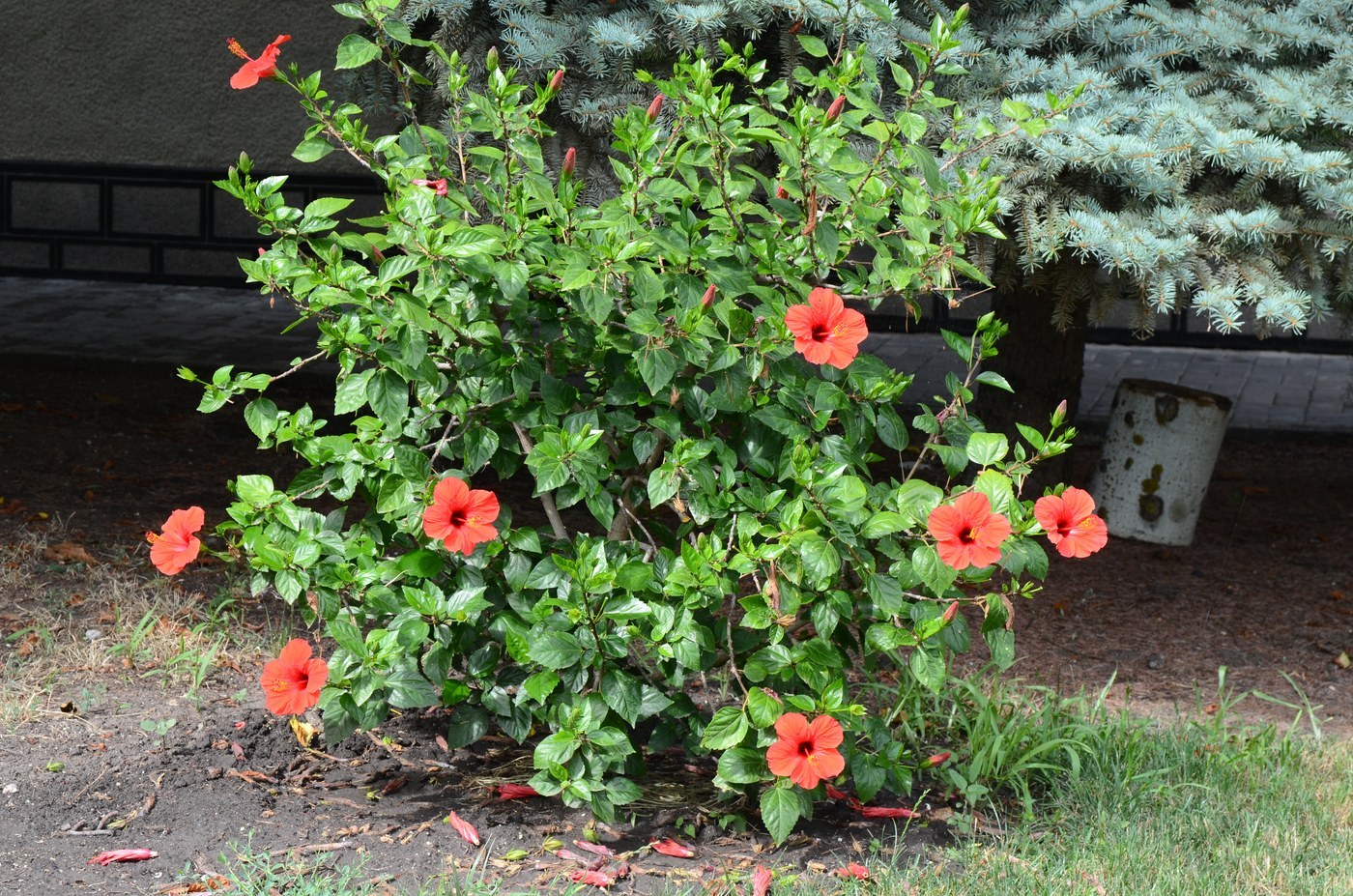
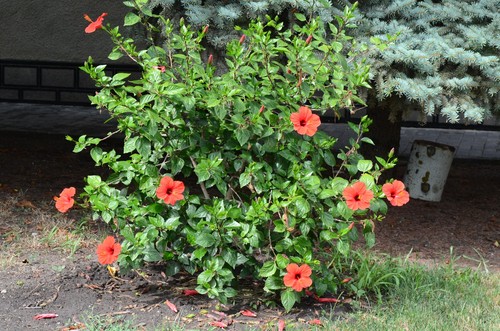
Tropical hibiscus is a glossy-leaved evergreen shrub grown for its huge, showy flowers that flare into trumpets up to 6 inches across in reds, pinks, oranges, yellows, and bicolors.
Though each individual bloom is short-lived, a healthy plant produces a steady succession of flowers, giving a long display in warm climates or as a sunny patio plant.
Widely planted in the tropics as hedges and specimens, it is also grown in containers and brought indoors over winter in cooler regions.
How to identify it
Recognize tropical hibiscus by:
- Flowers: Large, funnel-shaped blooms with five overlapping petals and a long central column of fused stamens topped by a prominent stigma.
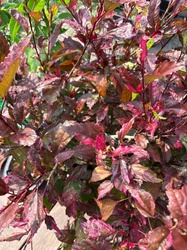
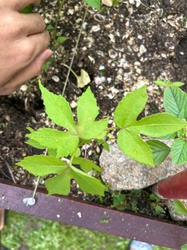
- Leaves: Glossy, dark-green, oval, toothed leaves.
- Habit: An upright evergreen shrub, often 4-10 feet tall where hardy.
- Bloom life: Each flower typically lasts only one to two days.
- Stems: Woody, branching, with smooth bark.
Care & growing
Hibiscus rewards warmth, light, and steady moisture.
- Light: Full sun to very bright light for maximum flowering.
- Water: Keep soil evenly moist during active growth; do not let it dry out or stay waterlogged.
- Soil: Rich, well-drained, slightly acidic soil.
- Temperature: Tropical and frost-tender; protect below about 50 degrees F and overwinter indoors in cold climates.
- Feeding: Feed regularly in the growing season with a bloom-promoting, potassium-rich fertilizer.
- Propagation: Propagate from softwood cuttings; prune in spring to shape and encourage new flowering wood.
Habitat & origin
Hibiscus rosa-sinensis is a long-cultivated species of uncertain wild origin, associated with tropical Asia and the Pacific. It thrives in warm, humid, frost-free climates.
It is grown throughout the tropics and subtropics as an ornamental hedge and landscape shrub, and worldwide as a greenhouse, conservatory, or patio container plant. It is the national flower of Malaysia and the state flower of Hawaii.
Frequently asked questions
Why does my hibiscus flower last only a day?
That is normal for tropical hibiscus; individual blooms are short-lived, but a healthy plant opens new flowers daily for a continuous display.
Why are my hibiscus buds dropping?
Bud drop is usually caused by stress such as inconsistent watering, sudden temperature swings, low light, or pests like thrips.
Can hibiscus survive winter outdoors?
Tropical hibiscus is frost-tender and must be brought indoors or protected in cold climates; only hardy hibiscus species tolerate freezing winters.
Hibiscus guides
In-depth guides for identifying, growing, and caring for Hibiscus.
How to Care for Hibiscus
Grow lush, flowering tropical Hibiscus (Hibiscus rosa-sinensis): full sun, steady moisture, warmth, and regular feeding for endless blooms.
Hibiscus Identification Guide
Identify hibiscus by its large funnel-shaped five-petaled flowers, prominent central staminal column, and toothed alternate leaves.
Hibiscus identified by the community
Real specimens identified with Plant Identifier.