
How to Care for Holy Basil
Holy basil is an aromatic, sun-loving tender perennial with fragrant foliage and delicate flower spikes, easy to grow in warmth.
Read the full Holy Basil encyclopedia entry →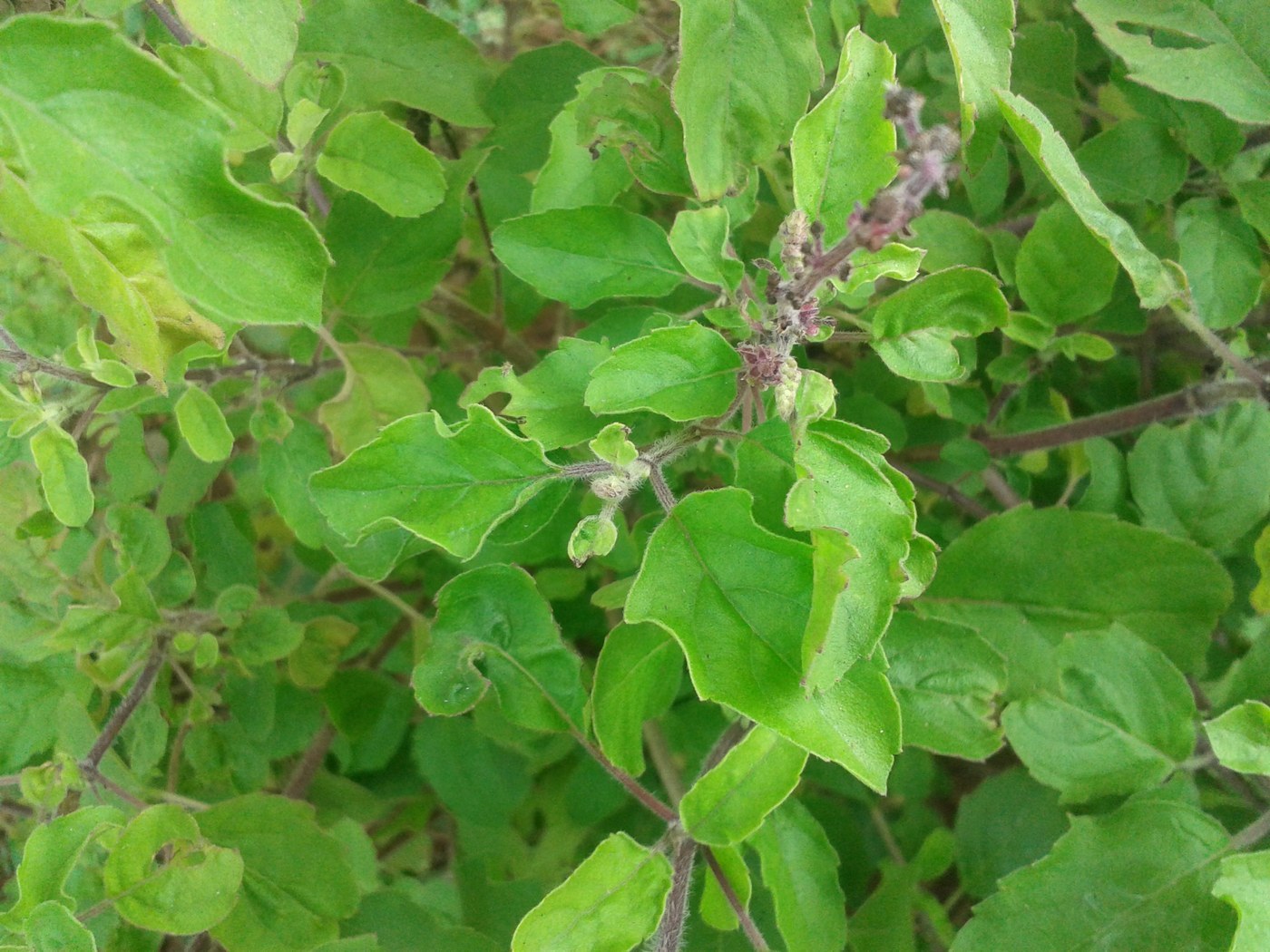
Holy basil (Ocimum tenuiflorum), also known as tulsi, is a highly aromatic, bushy tender perennial usually grown as a warm-season annual. Its fragrant green or purple-tinged leaves and slender spikes of small lavender-to-white flowers make it a lovely, easy addition to sunny gardens, containers, and bright windowsills.
Light
Holy basil loves full sun and needs at least 6 to 8 hours of direct light daily for compact, vigorous, well-branched growth. Indoors, place it in the brightest available window, ideally south-facing, and supplement with a grow light if the plant begins to stretch toward the light.
Water
Water regularly to keep the soil lightly and evenly moist, but not waterlogged. Let the very surface dry slightly between waterings, then water thoroughly. The plant wilts quickly when dry but recovers fast once watered. Avoid both drought stress and constantly soggy roots, which cause rot.
Soil & Potting
Use rich, well-drained soil or a quality potting mix with added compost for fertility and perlite for drainage. A slightly acidic to neutral pH around 6.0 to 7.0 is ideal. Choose containers with drainage holes; a pot of 8 inches or more gives the roots room to support bushy top growth.
Humidity & Temperature
As a tropical native, holy basil thrives in warmth and humidity, growing best between 70 and 90 F. It is frost-sensitive and should be planted out only after all danger of frost has passed, or grown indoors and protected from cold drafts. It appreciates moderate humidity but needs good airflow to prevent fungal issues.
Feeding
Feed every two to four weeks during active growth with a balanced or slightly nitrogen-leaning liquid fertilizer at half strength to keep foliage lush and green. Do not over-fertilize, which can dilute the plant's characteristic aroma. Reduce feeding as growth slows in cooler months.
Propagation
Holy basil grows readily from seed sown in warm conditions in spring; surface-sow or barely cover the seed and keep warm and moist for germination. It also roots easily from stem cuttings placed in water or moist mix, giving quick clones of a favorite plant.
Repotting / Pruning
Repot seedlings or nursery plants into their final container once well rooted, and move indoor plants up a size when roots fill the pot. Pinch the growing tips frequently to encourage a dense, bushy shape and pinch off flower spikes as they form to keep the plant leafy and prolong its productive life, unless you want it to set seed.
Common Problems & Pests
Watch for aphids, whiteflies, and spider mites, especially indoors; rinse them off or treat with insecticidal soap. Fungal problems such as damping off in seedlings, downy mildew, and root rot appear in cool, wet, or poorly ventilated conditions, so ensure warmth, good drainage, and airflow. Leggy growth signals too little light.
Seasonal Care Tips
Start seeds indoors in early spring and transplant outside only after frost has passed and nights are warm. Feed and pinch through the summer for continuous bushy growth. As autumn cools, bring container plants indoors to a bright window to extend their life, since holy basil will not survive frost. Take cuttings in late summer to overwinter fresh plants indoors.
Frequently asked questions
How much sun does holy basil need?
It thrives in full sun with at least 6 to 8 hours of direct light daily. Indoors, give it the brightest window you have, ideally south-facing, and add a grow light if it starts stretching or growing leggy.
Should I let holy basil flower?
For the bushiest, longest-lived plant, pinch off flower spikes as they form to keep energy in the foliage. Leave some flowers only if you want the plant to set seed or attract pollinators.
Why is my holy basil wilting?
Rapid wilting usually means the soil has dried out; water thoroughly and it typically recovers quickly. Persistent wilting with soggy soil instead points to root rot from overwatering or poor drainage.
Can I grow holy basil indoors year-round?
Yes. Keep it in a very bright, warm spot away from cold drafts, water when the surface dries, and pinch regularly. Because it is frost-tender, indoor growing or taking cuttings is the way to keep it through winter.