How to Care for Honey Locust
Grow honey locust, a fast, drought-tolerant shade tree with feathery foliage that casts light, dappled shade and thrives in full sun.
Read the full Honey Locust encyclopedia entry →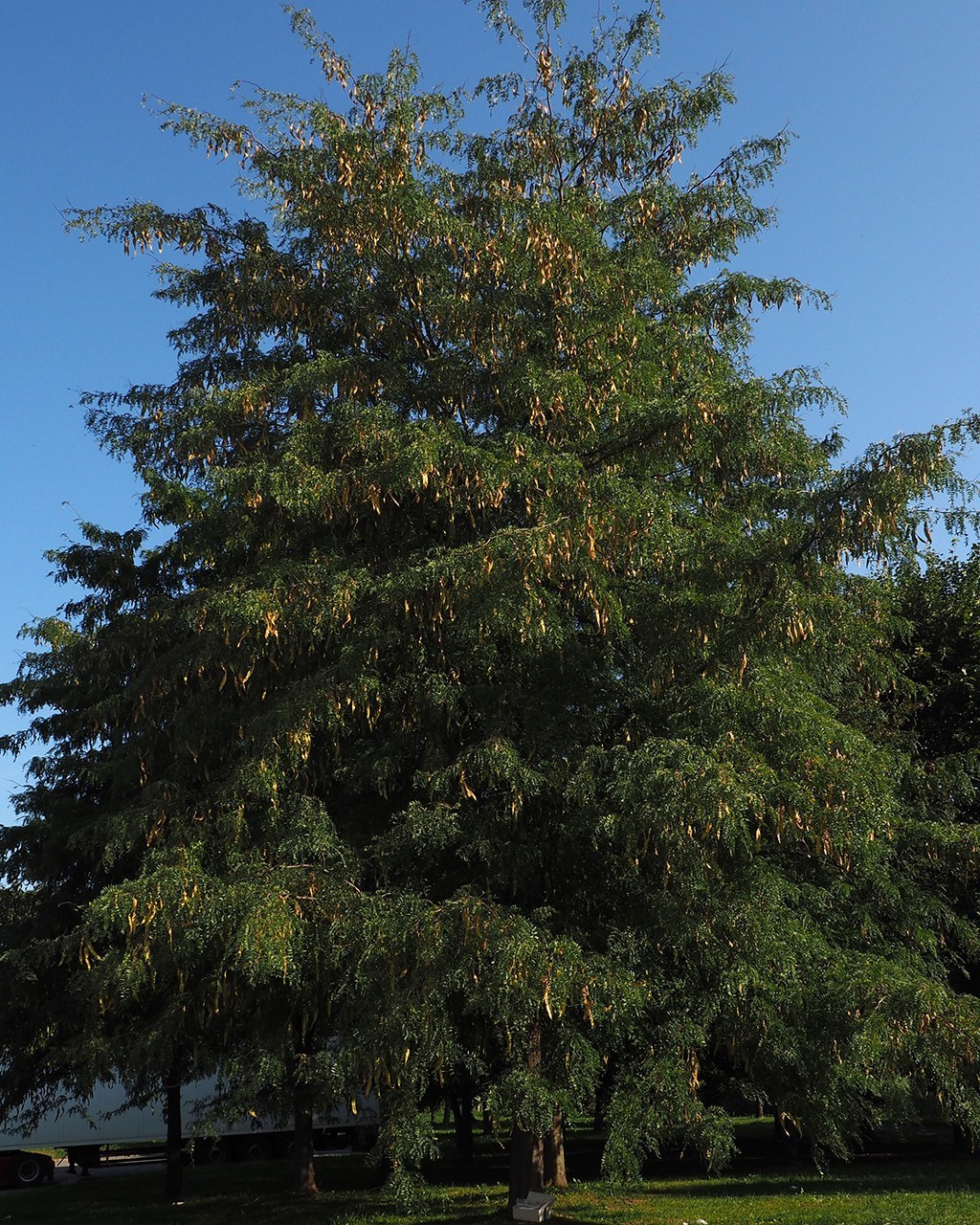
Honey locust (Gleditsia triacanthos) is a fast-growing deciduous shade tree prized for its airy, fern-like compound leaves that cast light, dappled shade and turn clear gold in autumn. It is remarkably tough, tolerating drought, poor soil, heat, and urban conditions, which makes it an easy landscape tree.
Light
Give honey locust full sun for the best form and densest canopy. It needs at least six hours of direct light daily and grows lean and sparse in shade. Site it in an open location with room to spread, as mature trees can reach 40 to 70 feet tall and nearly as wide.
Water
Water is needed mainly during the establishment period. For the first two growing seasons, provide a deep soak every week or two in dry spells to develop a strong root system. Once established, honey locust is highly drought tolerant and rarely needs supplemental watering except during prolonged droughts. Its stated needs are low to moderate, so avoid keeping the root zone constantly wet.
Soil & Potting
This tree is adaptable to a wide range of soils, from clay to sand, and tolerates alkaline soil, salt, and compaction. It prefers moist, fertile, well-drained loam but performs acceptably in poor ground. Good drainage is more important than fertility; it dislikes standing water. Plant at the same depth the tree grew in its nursery container, and mulch a wide ring to conserve moisture and moderate soil temperature.
Humidity & Temperature
Honey locust is cold-hardy through roughly USDA zones 3 to 9 and tolerates both bitter winters and hot, dry summers. It has no special humidity requirements and shrugs off wind and reflected urban heat, one reason it is a favored street tree.
Feeding
Established trees seldom need feeding in reasonable soil. As a legume-family tree it is not heavy-feeding. On very poor sites, apply a balanced slow-release tree fertilizer in early spring during the first few years. Avoid excess nitrogen, which pushes weak, overly rapid growth.
Propagation
Honey locust is most often propagated by seed. Collect seed from the long pods, scarify the hard coat by nicking or soaking in hot water, then sow. Named thornless and seedless cultivars such as 'Sunburst' and 'Shademaster' are propagated by grafting or budding onto seedling rootstock to keep their traits true.
Repotting / Pruning
Prune in late winter to early spring while dormant, or in summer to shape. Establish a strong central leader and remove crossing, rubbing, or narrow-angled branches while the tree is young to prevent weak crotches. Because it leafs out late and drops leaves early, thinning is easy to judge. The species has stout branched thorns, so choose a thornless cultivar for high-traffic areas.
Common Problems & Pests
Honey locust can be bothered by honeylocust plant bug, spider mites in hot dry summers, webworm, and pod gall midge, which causes leaflets to swell. Cankers, particularly Thyronectria and Nectria, can girdle stressed branches, so keep trees vigorous and avoid bark wounds. Mimosa webworm may skeletonize foliage in warm regions. Most healthy trees tolerate these without lasting harm.
Seasonal Care Tips
Plant in spring or fall. Water deeply through the first two summers, then taper off. Apply fresh mulch each spring, refreshing the ring but keeping it off the trunk. Do structural pruning in late winter. In fall enjoy the golden color and rake up dropped leaflets, which are small and break down quickly.
Frequently asked questions
How fast does honey locust grow?
It is a fast grower, often adding two feet or more per year when young, which is why it is used for quick shade and street plantings.
Does honey locust need full sun?
Yes. It grows best in full sun with at least six hours of direct light. In shade the canopy becomes thin and open.
How much water does an established honey locust need?
Very little. Once established it is strongly drought tolerant and usually thrives on rainfall alone, needing extra water only in extended droughts.
Should I choose a thornless variety?
For gardens and walkways, yes. The wild species has large branched thorns; thornless cultivars like 'Shademaster' and 'Sunburst' avoid this while keeping the attractive foliage.
Honey Locust identified by the community
Recent Honey Locust specimens identified with Plant Identifier.