Honey Locust
Gleditsia triacanthos
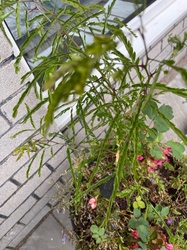
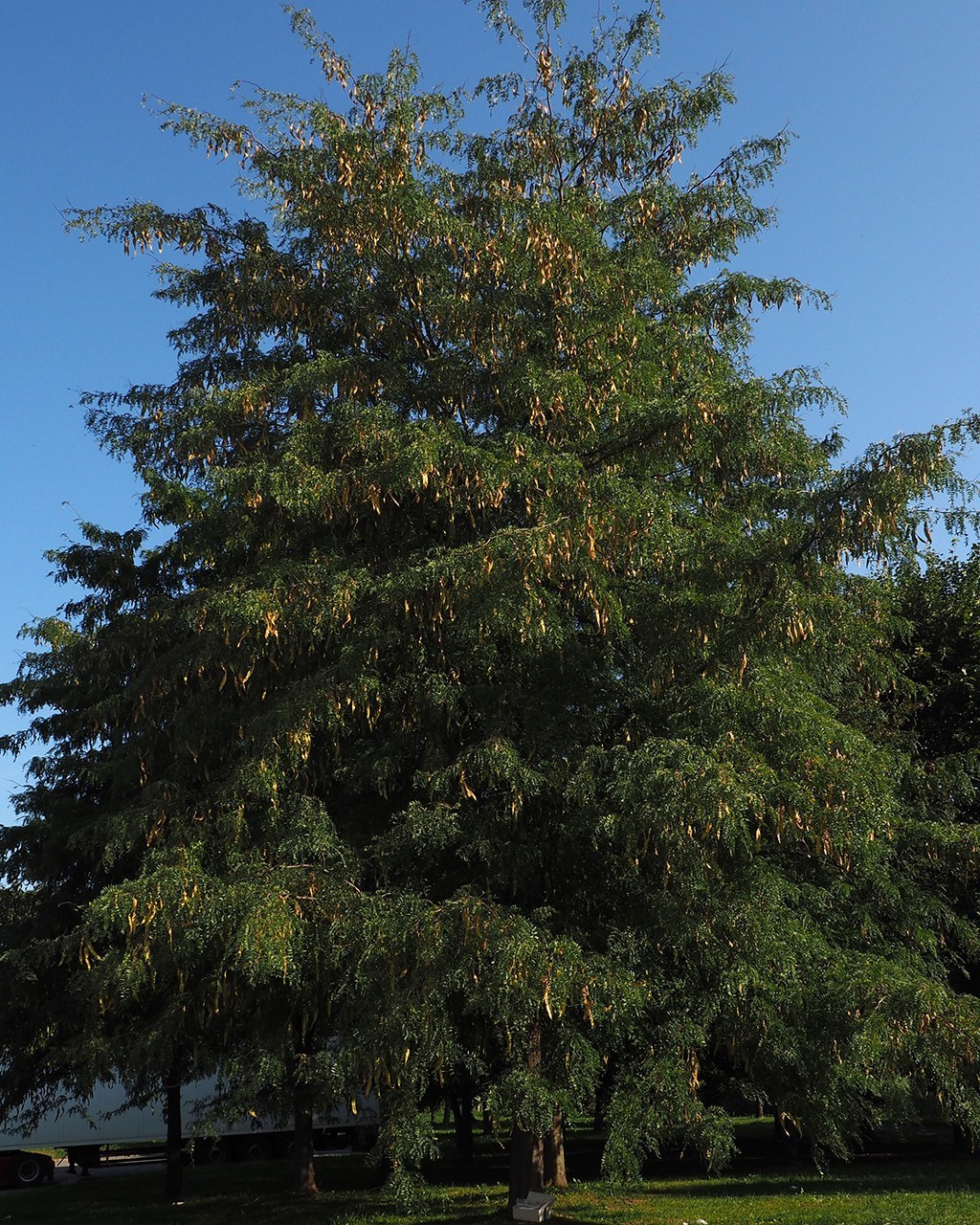
Honey locust is a fast-growing deciduous tree with fine, fern-like compound leaves casting light dappled shade; wild forms have fierce branching thorns and long twisted seed pods, but thornless cultivars dominate landscaping.
- Light
- Full sun
- Water
- Low to moderate; drought tolerant
- Difficulty
- Easy
Got a plant like this?
Identify any plant from a photo, free.
Overview
Honey locust (Gleditsia triacanthos) is a fast-growing, adaptable deciduous tree native to central North America. Wild trees are armed with formidable branched thorns on the trunk and limbs and produce long, twisted seed pods.
For landscaping, thornless and often seedless cultivars (var. inermis) such as 'Skyline' and 'Shademaster' are used, offering all the toughness without the hazards.
Its open, ferny canopy casts light, filtered shade that allows grass and plants to grow beneath, making it a favorite urban tree.
How to identify it
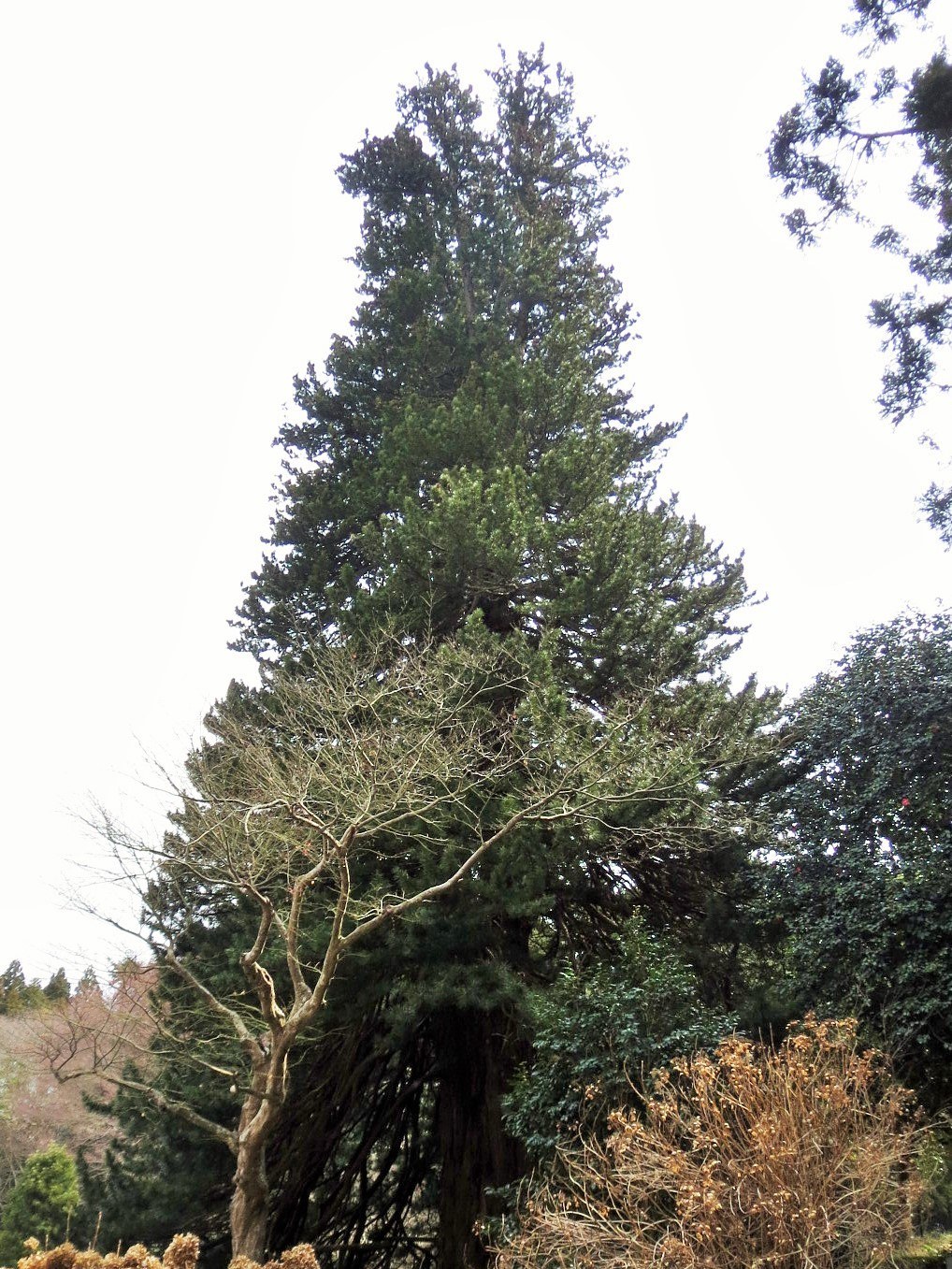
A medium-large deciduous tree with delicate, fern-like foliage.
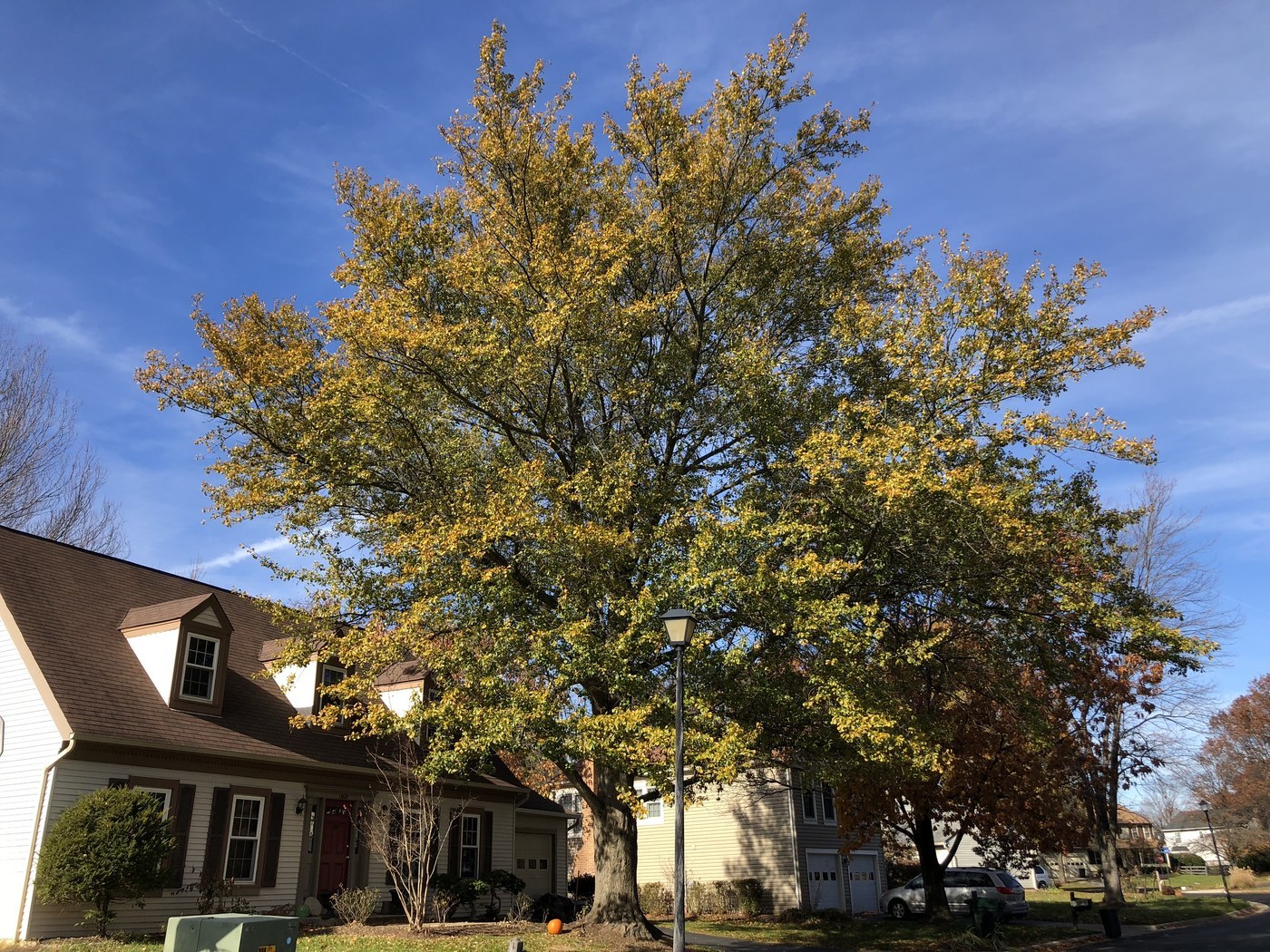
- Leaves: pinnately or bipinnately compound with many small oval leaflets, giving a fine, airy texture; bright green turning yellow in fall
- Thorns: wild trees bear large, often branched thorns up to 10+ cm on the trunk and branches (absent in landscape cultivars)
- Pods: long (15-40 cm), flat, leathery, twisting brown seed pods
- Bark: gray-brown with long, plate-like ridges
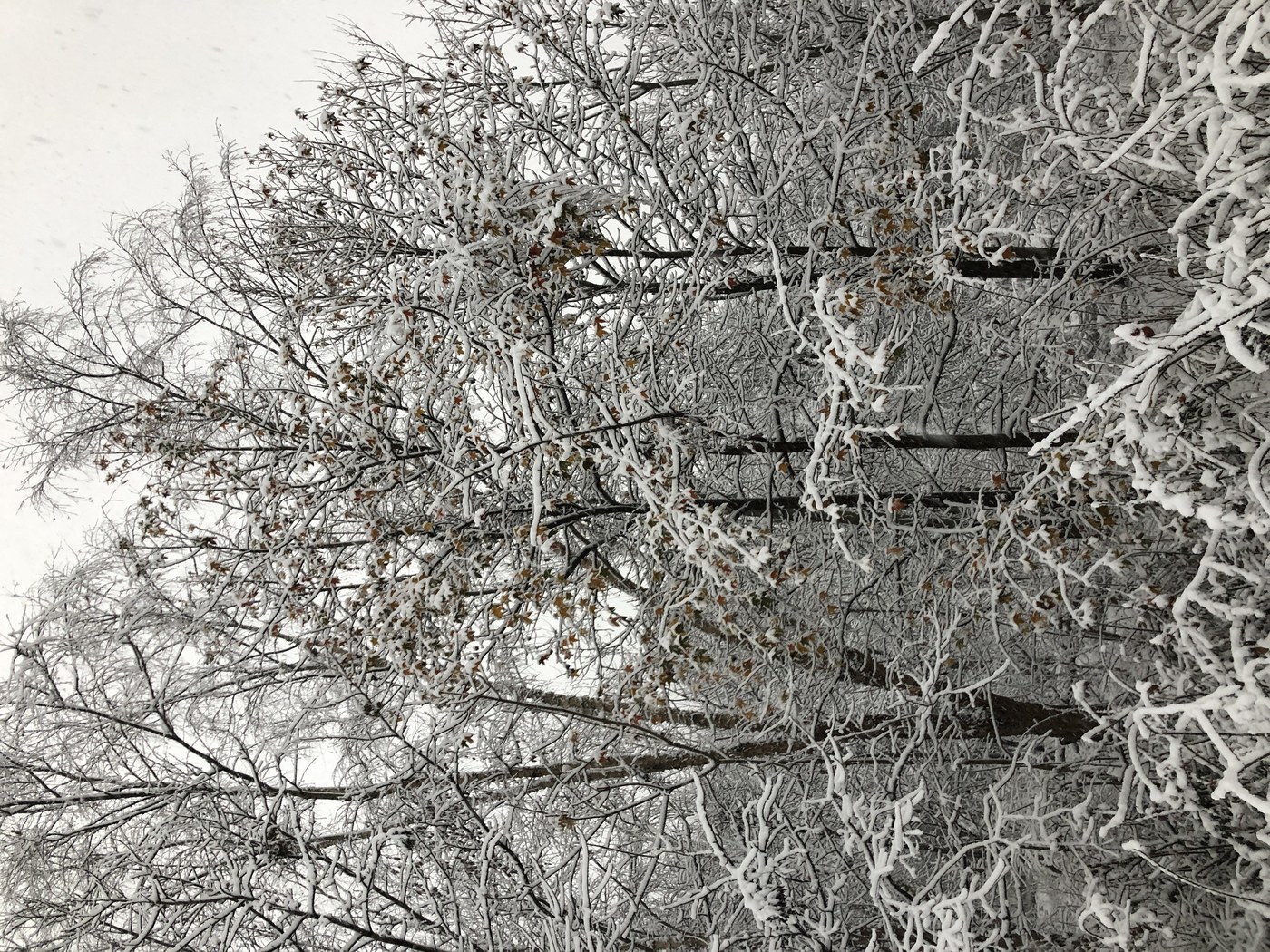
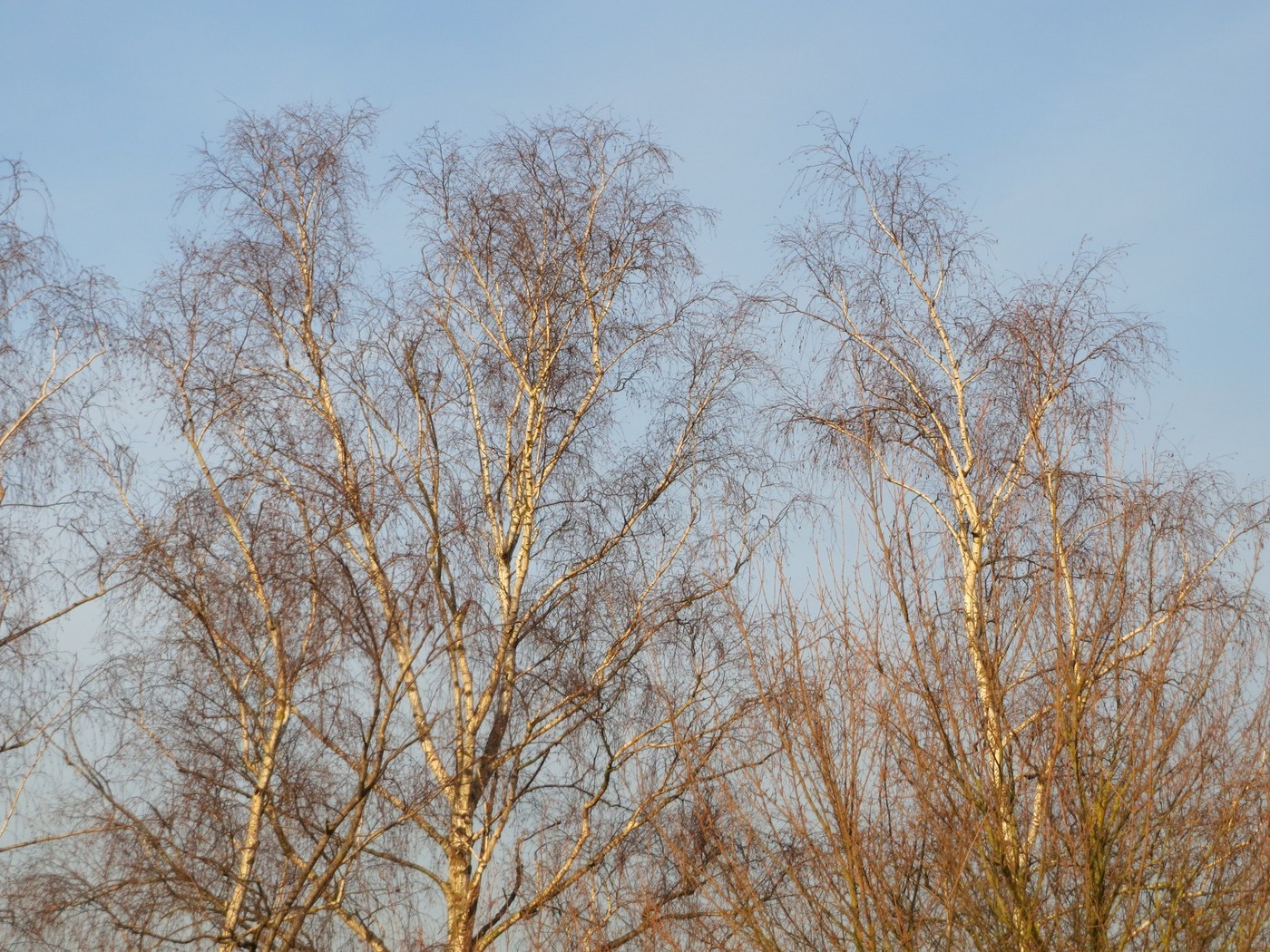
- Size: 15-25 m tall with an open, spreading crown
Care & growing
Exceptionally tough and tolerant of urban stress.
- Light: full sun
- Water: drought tolerant once established; adaptable to dry sites
- Soil: very adaptable, tolerating poor, compacted, alkaline, and salty soils
- Temperature: very hardy, USDA zones 3-9
- Feeding: rarely needed; as a legume it can fix some nitrogen
- Propagation: wild forms from seed (scarify the hard coat); named cultivars are grafted
- Tip: choose thornless, seedless cultivars for tidy landscape use
Habitat & origin
Native to the central United States, particularly moist bottomlands and floodplains of the Mississippi Valley region, though it tolerates a wide range of conditions. It has naturalized well beyond its original range.
It is planted extensively as a street and parking-lot tree across North America and in cities worldwide because of its tolerance of pollution, drought, salt, and compacted soil.
Frequently asked questions
Do all honey locusts have thorns?
Wild trees do, with large branched thorns, but the thornless variety (var. inermis) and its cultivars used in landscaping are thorn-free and usually seedless.
Why is it called honey locust?
The common name refers to the pulp found inside its long, twisted seed pods.
Is honey locust good for lawns?
Yes. Its fine, open canopy casts light filtered shade, so grass and other plants can grow beneath it, and the tiny leaflets need little raking.
Is it related to black locust?
Both are legumes, but they are different species in different genera. Honey locust has branched thorns and ferny leaves, while black locust has paired spines and fragrant white flowers.
Honey Locust guides
In-depth guides for identifying, growing, and caring for Honey Locust.
How to Care for Honey Locust
Grow honey locust, a fast, drought-tolerant shade tree with feathery foliage that casts light, dappled shade and thrives in full sun.
Honey Locust Identification Guide
Recognize honey locust by its fine fern-like compound leaves, branched trunk thorns, and long twisted seed pods.
Honey Locust identified by the community
Real specimens identified with Plant Identifier.