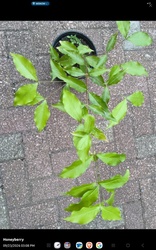
How to Care for Honeyberry
Grow a Honeyberry (Lonicera caerulea): an exceptionally cold-hardy, easy-care ornamental shrub that produces early spring blooms on tidy foliage.
Read the full Honeyberry encyclopedia entry →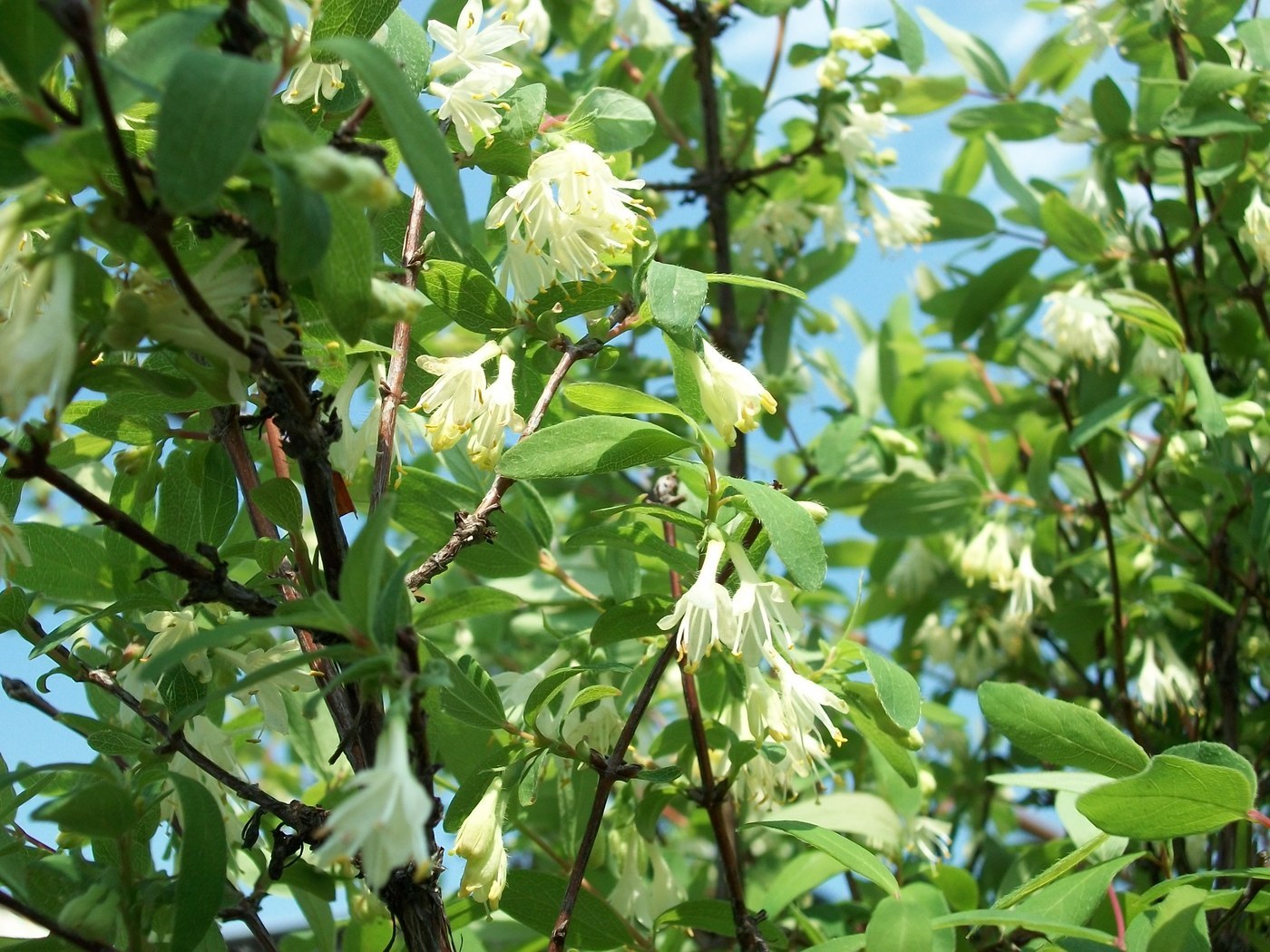
The Honeyberry (Lonicera caerulea) is an extremely cold-hardy, deciduous shrub in the honeysuckle family, valued in the ornamental garden for its early, dainty pale flowers, neat mounding habit, and remarkable toughness. It is an easy, low-maintenance shrub well suited to cold climates and informal borders.
Light
Honeyberry grows in full sun to partial shade. Full sun gives the densest, most floriferous, and most compact growth, while it tolerates part shade well—useful in hot regions where afternoon shade protects the foliage. In deep shade, plants become sparse and bloom poorly.
Water
Consistent with its "moderate, keep soil moist" rating, Honeyberry prefers evenly moist soil and has fairly shallow roots that dislike drying out. Water regularly during the first couple of seasons and through dry spells, aiming for steady moisture without waterlogging. A layer of mulch helps hold moisture and keep the shallow root zone cool.
Soil & Potting
Honeyberry is adaptable but does best in fertile, well-drained soil rich in organic matter, with a slightly acidic to neutral pH. It tolerates a range of soils, including heavier ground, better than many shrubs, but avoids sites that stay waterlogged. Work compost into the planting area, and in containers use a good-quality, moisture-retentive potting mix.
Humidity & Temperature
This is one of the hardiest of all garden shrubs, thriving in very cold climates down to roughly USDA zone 2 or 3 and enduring severe winters unharmed. It leafs out and flowers very early in spring, and the blooms shrug off light frost. It prefers cooler summers and no special humidity, struggling more in prolonged intense heat than in cold.
Feeding
Feed modestly. A spring application of balanced fertilizer or a topdressing of compost supports steady growth and flowering. Avoid excessive nitrogen, which favors leafy growth over blooms. An annual mulch of well-rotted organic matter usually keeps established plants healthy with little additional feeding.
Propagation
Honeyberry propagates readily from softwood cuttings taken in early summer or hardwood cuttings in late fall, both of which root reliably. It can also be layered by pinning a low branch to the soil until it roots, or grown from seed, though seedlings are variable. For best results, plant more than one variety nearby, as cross-pollination improves flowering performance.
Repotting / Pruning
Honeyberry needs little pruning. In the first few years simply remove dead, damaged, or crossing branches in late winter. On established shrubs, thin out a few of the oldest stems occasionally to encourage vigorous new growth and maintain an open, healthy framework. Container plants can be root-pruned and repotted in early spring every couple of years.
Common Problems & Pests
Honeyberry is notably pest- and disease-resistant, one of its great virtues. Occasional issues include powdery mildew in humid, crowded conditions and, rarely, aphids on new growth. Birds are attracted to the shrub, so netting may be needed if you want to protect the ornamental display. Good air circulation and even moisture prevent most problems.
Seasonal Care Tips
Expect very early spring flowering—among the first shrubs to bloom—so site it where you can enjoy the early season interest. Mulch in spring to conserve moisture around the shallow roots, and keep the soil consistently moist through summer. Do any light pruning in late winter while dormant. The shrub is fully self-reliant through even harsh winters.
Frequently asked questions
How cold-hardy is Honeyberry?
Exceptionally so. Honeyberry is one of the hardiest garden shrubs, surviving winters down to roughly USDA zone 2 or 3, and its very early spring flowers tolerate light frost.
Do I need more than one Honeyberry plant?
Planting two or more different varieties near each other improves pollination and overall performance, since many honeyberries flower and set better with a compatible partner nearby.
How much pruning does Honeyberry need?
Very little. Remove dead or crossing branches in late winter, and on older shrubs occasionally thin out a few of the oldest stems to encourage fresh, vigorous growth.
Why is my Honeyberry struggling in summer?
Honeyberry prefers cool conditions and moist soil with shallow roots. In hot regions, give it afternoon shade, mulch well, and water consistently, as it dislikes prolonged heat and dryness more than cold.
Honeyberry identified by the community
Recent Honeyberry specimens identified with Plant Identifier.