Honeyberry
Lonicera caerulea
An extremely cold-hardy deciduous shrub bearing elongated blue berries with a waxy bloom. It is one of the earliest of its kind to set fruit each season.
- Light
- Full sun to partial shade
- Water
- Moderate; keep soil moist
- Difficulty
- Easy
Got a plant like this?
Identify any plant from a photo, free.
Overview
The honeyberry, also called haskap, is a fruiting honeysuckle native to cool northern regions. It produces oblong, deep-blue berries early in the season.
Bushes are compact and exceptionally winter-hardy, surviving temperatures well below -40C, which makes them valuable in northern and high-latitude gardens.
Improved Japanese, Russian and Canadian breeding programs have increased its popularity as an ornamental and fruiting shrub.
How to identify it
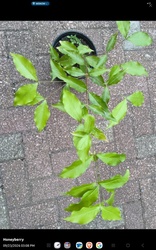
A low, twiggy deciduous shrub with paired leaves and distinctive elongated blue berries.
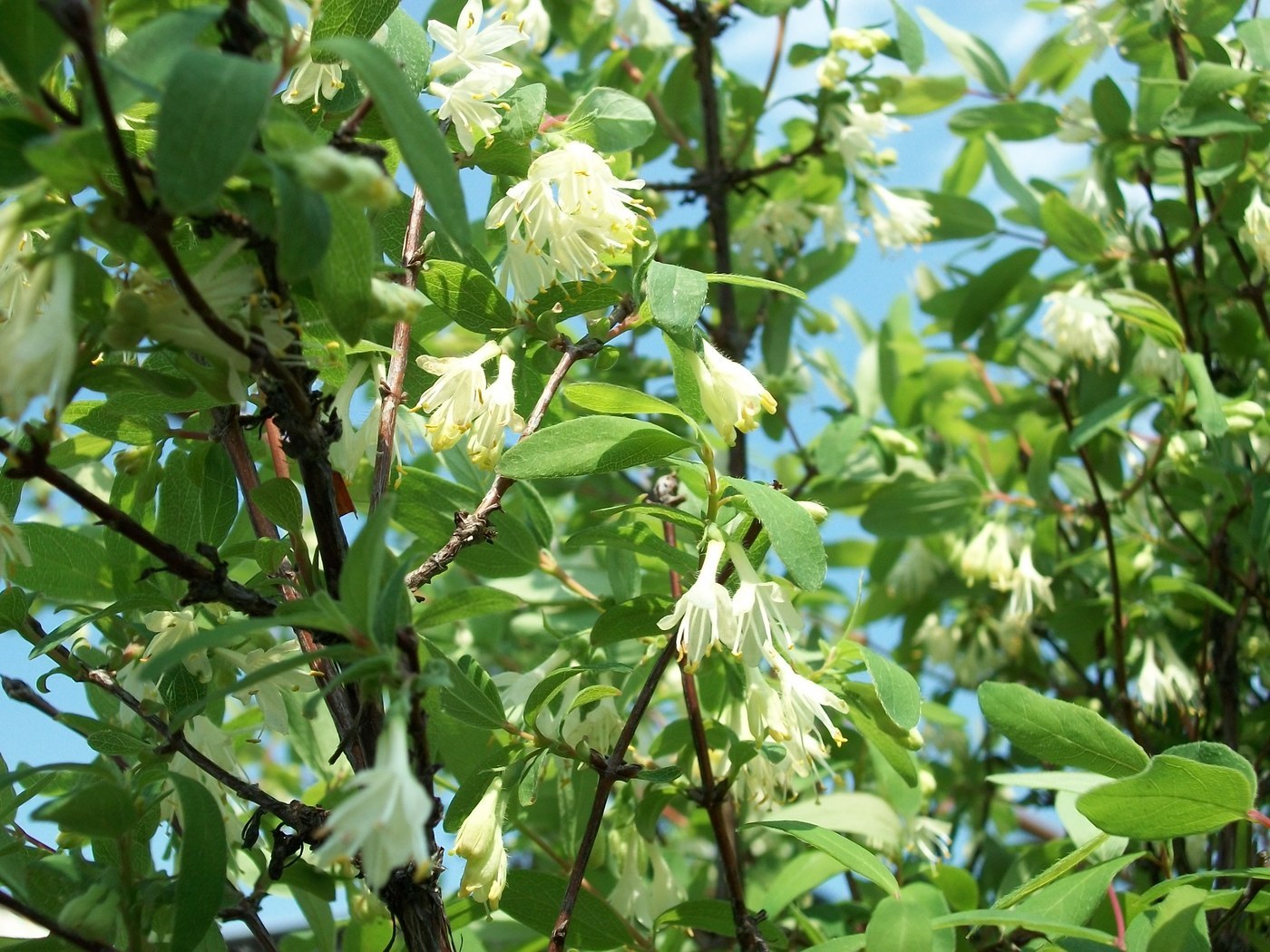
- Leaves: Opposite, oval, dull blue-green, 3-6 cm long, slightly fuzzy
- Stems: Thin, with peeling tan bark on older wood
- Flowers: Small, pale yellow-white, tubular, borne in pairs in early spring
- Fruit: Elongated, oblong-cylindrical blue berries 1-3 cm long with a waxy bloom
- Size: 1-2 m tall and wide
Care & growing
Tough, low-maintenance and ideal for cold climates.
- Light: Full sun for best fruit set; tolerates partial shade
- Water: Likes consistently moist soil; mulch to retain moisture
- Soil: Adaptable, but prefers well-drained, organic-rich soil; tolerates a wide pH range
- Temperature: Among the hardiest shrubs, surviving -40C and below; blooms tolerate light frost
- Feeding: Light spring feeding of balanced fertilizer; avoid overfeeding
- Propagation: Softwood or hardwood cuttings; plant two different compatible cultivars for cross-pollination
Habitat & origin
Lonicera caerulea has a circumpolar native range across cool-temperate and boreal regions of the Northern Hemisphere, including northern Asia, Europe and North America.
It grows wild in wet meadows, bogs and forest edges. Cultivated forms thrive in Canada, Russia, Japan, Poland and the northern US, valued where summers are short and winters severe.
Frequently asked questions
Do I need more than one honeyberry plant?
Yes. Most honeyberries need a second, compatible flowering cultivar nearby for pollination and good fruit set.
How cold can honeyberries survive?
Extremely cold; established plants tolerate roughly -40C, and the flowers withstand spring frosts.
When do they set fruit?
They are one of the first of their kind in the season, often forming fruit in late spring before many other shrubs.
How do I identify a honeyberry shrub?
Look for a low, twiggy bush 1-2 m tall with opposite blue-green leaves, peeling tan bark, paired pale tubular spring flowers, and elongated blue berries with a waxy bloom.
Honeyberry guides
In-depth guides for identifying, growing, and caring for Honeyberry.
How to Care for Honeyberry
Grow a Honeyberry (Lonicera caerulea): an exceptionally cold-hardy, easy-care ornamental shrub that produces early spring blooms on tidy foliage.
Honeyberry Identification Guide
A field guide to honeyberry (Lonicera caerulea, blue honeysuckle), recognizable by its oblong blue fruit with whitish bloom, paired leaves, and low bushy form.
Honeyberry identified by the community
Real specimens identified with Plant Identifier.